
Siemens Desiro family of multiple-unit trains
Desiro is a modular family of diesel and electric multiple-unit trains by Siemens, used across regional and commuter networks for flexible, low-cost services with several subtypes for different roles.
Overview
The Desiro name denotes a family of modular multiple-unit trains built by Siemens Mobility. Designed for frequent-stop regional and commuter services, Desiro units can be configured as diesel multiple units (DMUs) or electric multiple units (EMUs) and are produced in short trainsets that are easy to couple together. The family has been supplied to a wide range of operators in Europe and elsewhere and is intended to offer a standardised, cost-effective platform that can be adapted to local requirements. For general manufacturer information see manufacturer resources.
Image gallery
10 Images





Design and main variants
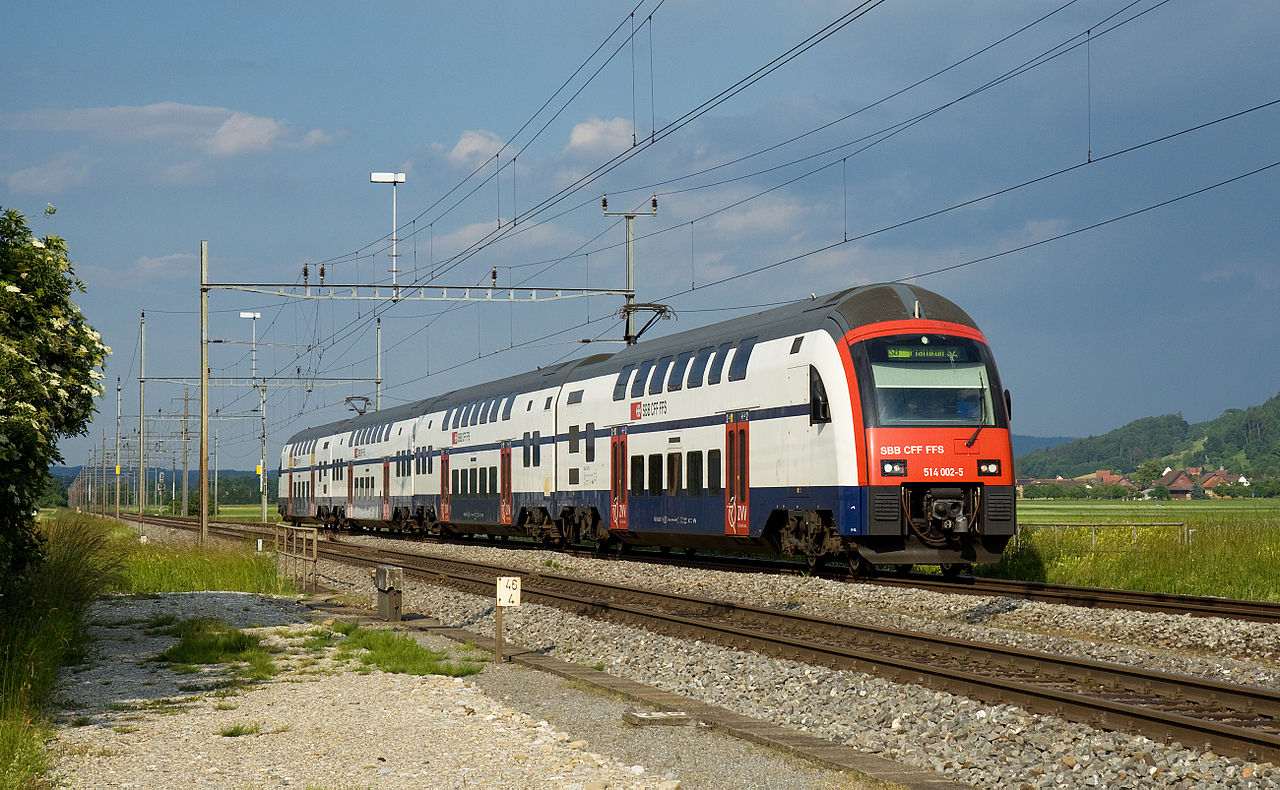
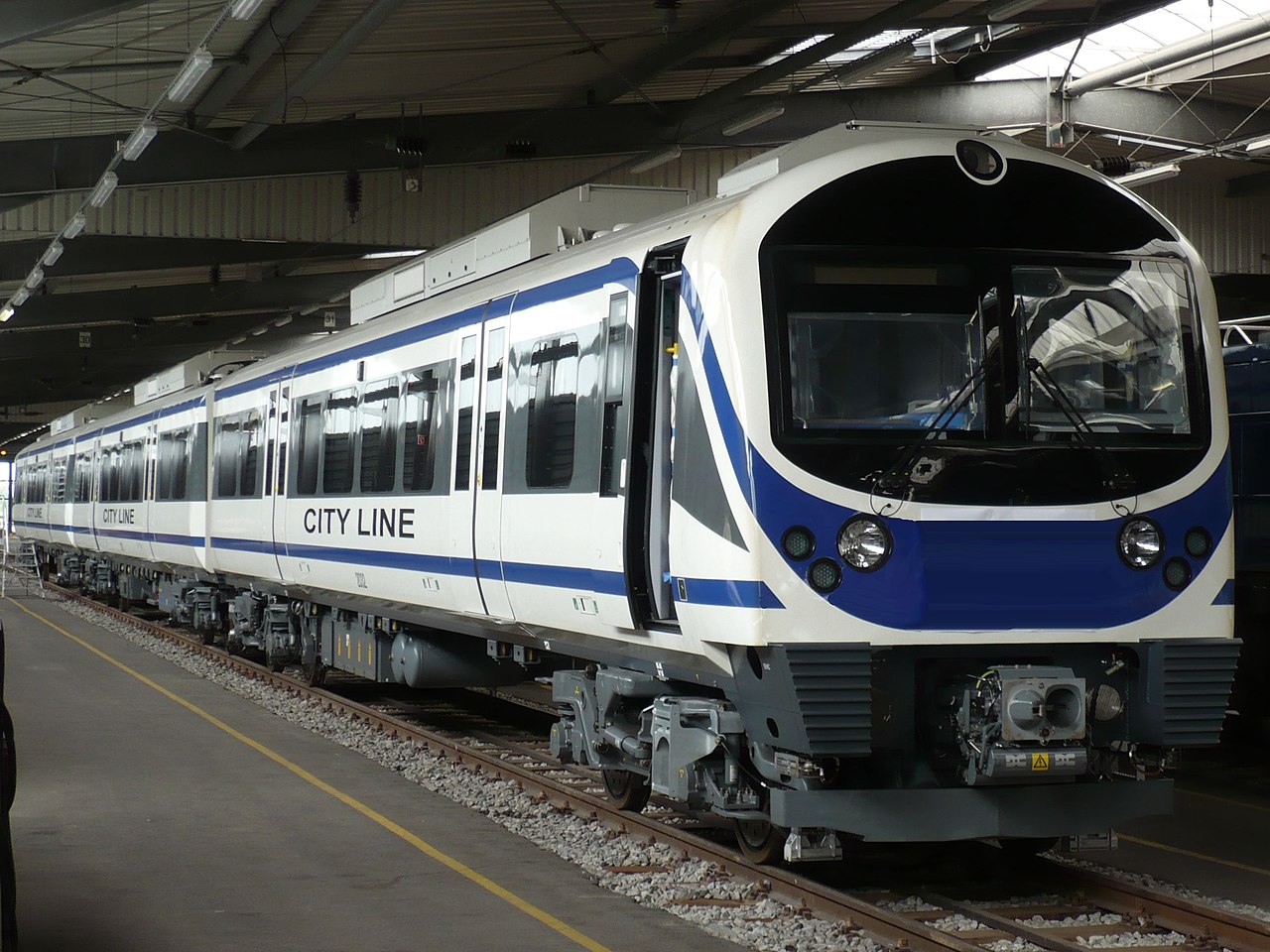
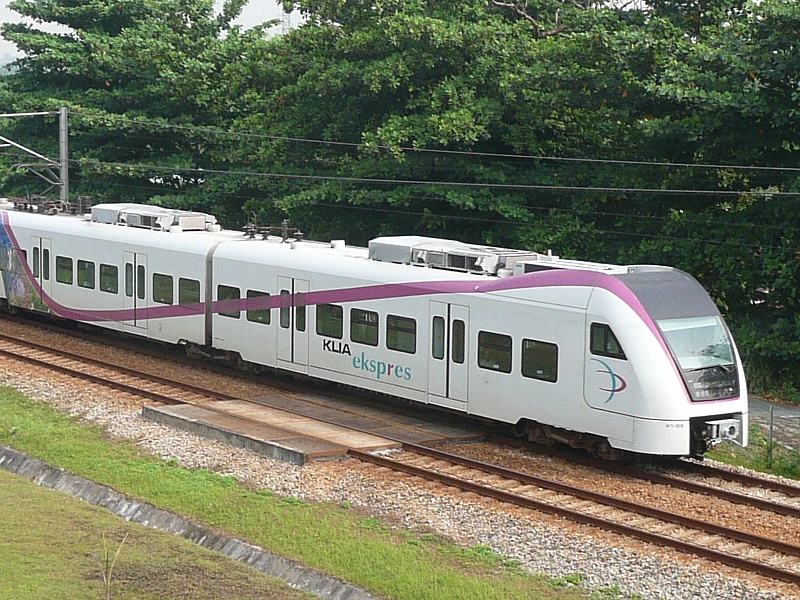
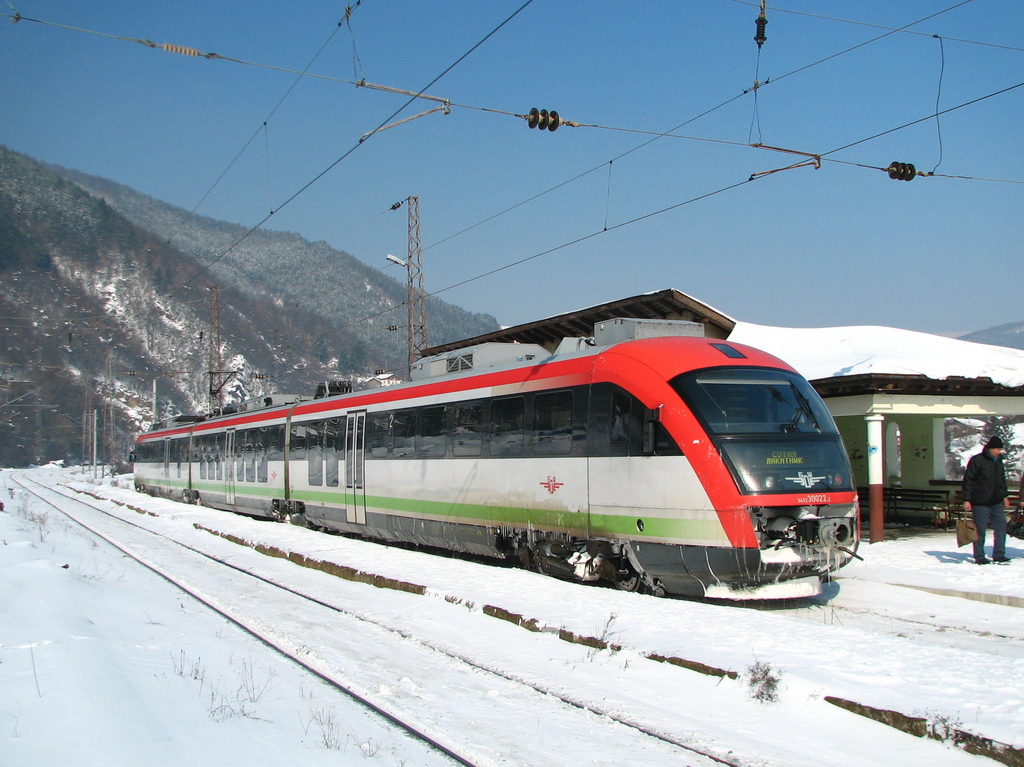
At the core of the Desiro concept is modularity: a common body shell and running gear can be fitted with different propulsion systems, interior layouts and equipment levels. This approach allows operators to order two- or three-car sets for regional workings or longer formations for higher-capacity routes. Over time Siemens developed a few distinct subfamilies aimed at different markets — for example a compact regional version, higher-comfort mainline sets, and variants optimised for dense urban commuter routes. Technical options include low-floor sections for easier boarding, multiple-unit control for flexible coupling, and various door arrangements suited to stop frequency.
Characteristics and components
Typical Desiro features emphasize light construction, modular interior fittings and components intended for straightforward maintenance. Bogies, traction equipment and control systems are designed for interchangeability across versions. Many units prioritize quick acceleration and short dwell times, which makes them suitable where station spacing is close. Common interior choices range from simple transverse seating for short hops to more comfortable layouts with better luggage space on longer regional runs. Operators can also select climate control, passenger information systems and accessibility features.
Uses, operators and deployment
Desiro trains are primarily used on regional, suburban and interregional services where frequent stops and short turnaround times are the norm. Their modular nature has appealed to public-transport agencies seeking standardised fleets. Examples of service types include commuter lines, cross-border regional links and secondary intercity routes. Further operational examples and procurement case studies are available at supplier or operator pages such as service summaries and industry reports like regional fleet listings.
Advantages and criticisms
- Advantages: lower production and maintenance costs through standardisation, flexibility of diesel or electric power, good acceleration for stop-start services, and straightforward fleet growth by coupling units.
- Criticisms: some passengers and reviewers have noted limited ride comfort on longer runs and seating arrangements that prioritise capacity over long-distance comfort. Noise and vibration characteristics depend on subfamily and track quality.
Development and notable aspects
Introduced in the late 20th century, the Desiro family reflects a broader shift toward modular rolling stock that can be tailored to diverse markets with reduced design times and costs. Over successive iterations Siemens incorporated improvements in energy efficiency, passenger information and accessibility. For procurement guidance and technical comparisons consult industry resources such as procurement guides and operator briefings at fleet overviews.
The Desiro family remains a common choice where operators need flexible, relatively low-cost multiple units that can be adapted to local service patterns and maintenance regimes. Its combination of modular design and widespread use has made it a recognizable element of modern regional rail fleets.
Questions and answers
Q: What is Desiro?
A: Desiro is the brand name for a type of modular train made by Siemens in Germany.
Q: What types of trains can be made with Desiro?
A: The Desiro can be made as either a diesel or electric multiple unit (DMU or EMU).
Q: How many cars is a typical Desiro train made up of?
A: A typical Desiro train is made up of either two or three cars.
Q: Where are Desiro trains mostly used?
A: Desiro trains are mostly used for regional services.
Q: What is special about Desiro trains compared to other trains?
A: Desiro trains are a new generation of light, modular trains that have become popular in many European countries. They are cheap to make and operate and have fast acceleration, which makes them good for services with short intervals between stations.
Q: Are there any complaints about Desiro trains?
A: Yes, some people complain about poor passenger comfort on Desiro trains.
Q: What is the basic design of a Desiro train?
A: Although there are differences between single trains, the basic body design of a Desiro train is the same.
Related articles
Author
AlegsaOnline.com Siemens Desiro family of multiple-unit trains Leandro Alegsa
URL: https://en.alegsaonline.com/art/26850
Sources
- oebb.at : "oebb"
- findarticles.com : "findarticles"
- railway-technology.com : "railway-technology"
- siemens.at : Siemens - Express Rail Link Kuala Lumpur
- railwaygazette.com : Siemens signs Russian Olympic train order
- railwaygazette.com : Bangkok Airport Express to change city travel
- commons.wikimedia.org : Siemens Desiro