
British Rail Class 442 Wessex Electric (5WES)
Five-car third-rail electric multiple units built 1988–89 by BREL for South Western Main Line services, introduced with Bournemouth–Weymouth electrification and operated by South West Trains until 2007.
The British Rail Class 442, commonly known as the Wessex Electric or 5WES, is a fleet of five-car electric multiple units introduced in 1988 for longer-distance third-rail services on the south coast of England. Twenty-four units were constructed in 1988–1989 by BREL at their Derby works. The trains entered passenger service as part of the final phase of electrification that extended third-rail operation from Bournemouth to Weymouth, enabling through electric services on the South Western Main Line.
Image gallery
10 Images


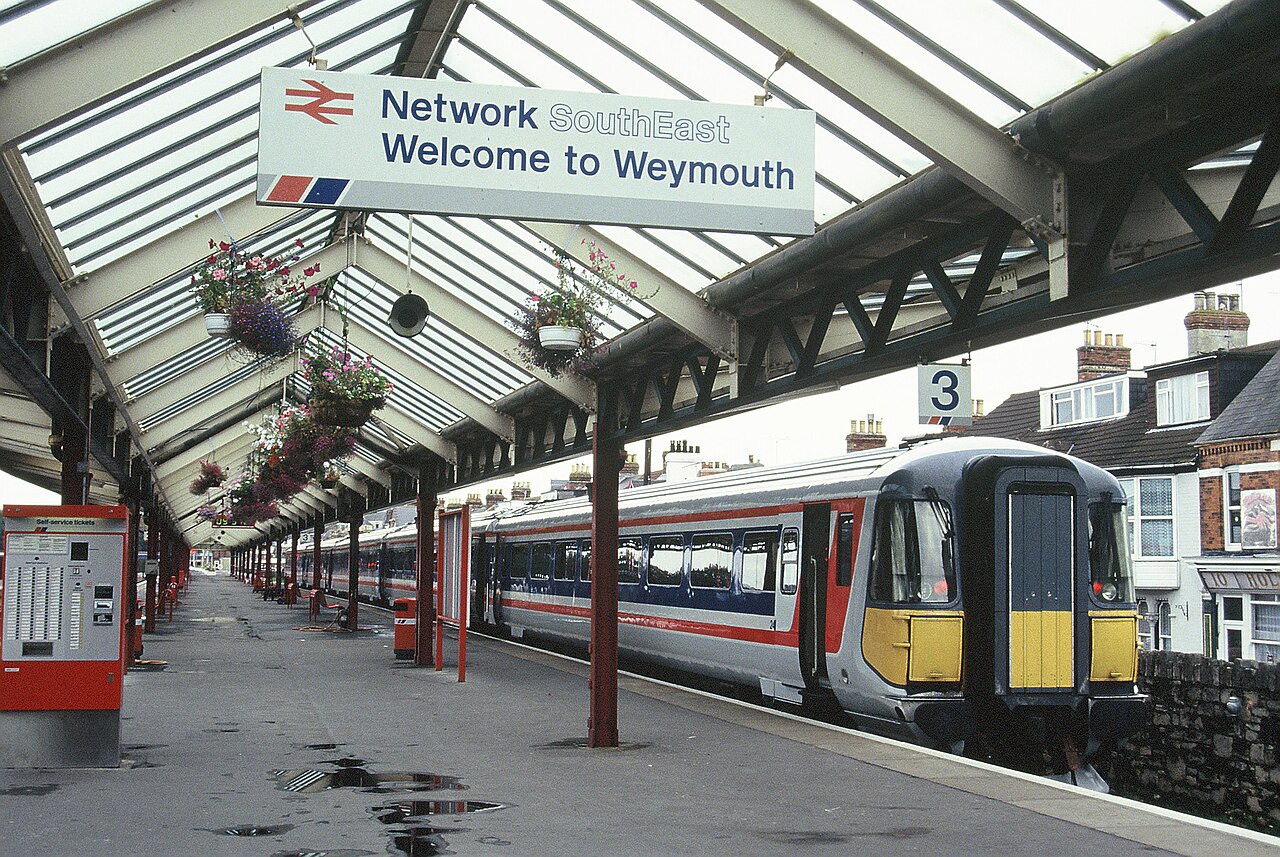

Design and technical characteristics
The Class 442 was designed to provide reliable medium-distance express and commuter services. Each set is a fixed five-car formation with inter-car gangways and a mixture of seating intended for journeys of up to a couple of hours. Propulsion is from the Southern Region third-rail supply (750 V DC third-rail), and the units were built to deliver mainline express performance and ride quality suitable for heavy commuter flows and leisure traffic to coastal resorts. Their layout emphasised passenger comfort, luggage space and quick boarding at busy seasonal stations.
Operational history
On introduction the Class 442 operated primarily on services from London Waterloo to principal coastal destinations including Southampton, Bournemouth, Poole and Weymouth. The fleet was worked in everyday service by South West Trains through the 1990s and into the 2000s. They became familiar on timetables and publicity as the Wessex Electric and were used where a five-car capacity and mainline performance were required.
Withdrawal and later use
Regular use on the principal diagrams continued until February 2007 when the Class 442 units were withdrawn from frontline duty and replaced by newer trains on some services. After withdrawal several units entered storage; over time a number were the subject of refurbishment, reuse on special diagrams or charter workings, and selective preservation efforts. Their later careers illustrate a common pattern for notable multiple-unit types of this era: a period of secondary use, modification and selective retention by heritage groups or charter operators.
Interior and passenger facilities
Inside, the Wessex Electric offered open saloon seating with a focus on medium-distance comfort rather than high-density commuter seating. The five-car arrangement combined flexibility in capacity with through-access between vehicles, making them well suited to both commuter peaks and leisure travel to coastal destinations. Passenger amenities reflected contemporary standards at introduction and were periodically refreshed during overhauls.
Legacy and significance
- Nickname: commonly referred to as the Wessex Electric or 5WES and listed as Class 442 in fleet records.
- Builder and era: produced by BREL during a period of change in British rolling-stock manufacture, exemplifying late 1980s EMU design for the Southern Region.
- Regional impact: their introduction coincided with and helped to exploit the Bournemouth–Weymouth electrification, improving service continuity on the South Western Main Line.
Although their front-line service on core South Western routes ended in 2007, the Class 442 units remain recognised for completing south-coast electrification and for providing a distinctive five-car EMU solution on busy commuter and regional corridors. Interest from preservation groups and charter operators has preserved examples and memories of their role in late 20th-century British rail operations.
For detailed fleet lists, diagrams and preservation status consult specialist sources and enthusiast records; operational summaries and contemporary publicity frequently use the Wessex Electric name and the class number as identifiers for these units.
Further reading and fleet information can be found via operators and historical archives that document the delivery by BREL, the works at Derby and the services run on the South Western Main Line by South West Trains. Official class references are commonly indexed under Class 442.
Related articles
Author
AlegsaOnline.com British Rail Class 442 Wessex Electric (5WES) Leandro Alegsa
URL: https://en.alegsaonline.com/art/14456