
British Rail Class 317 electric multiple units
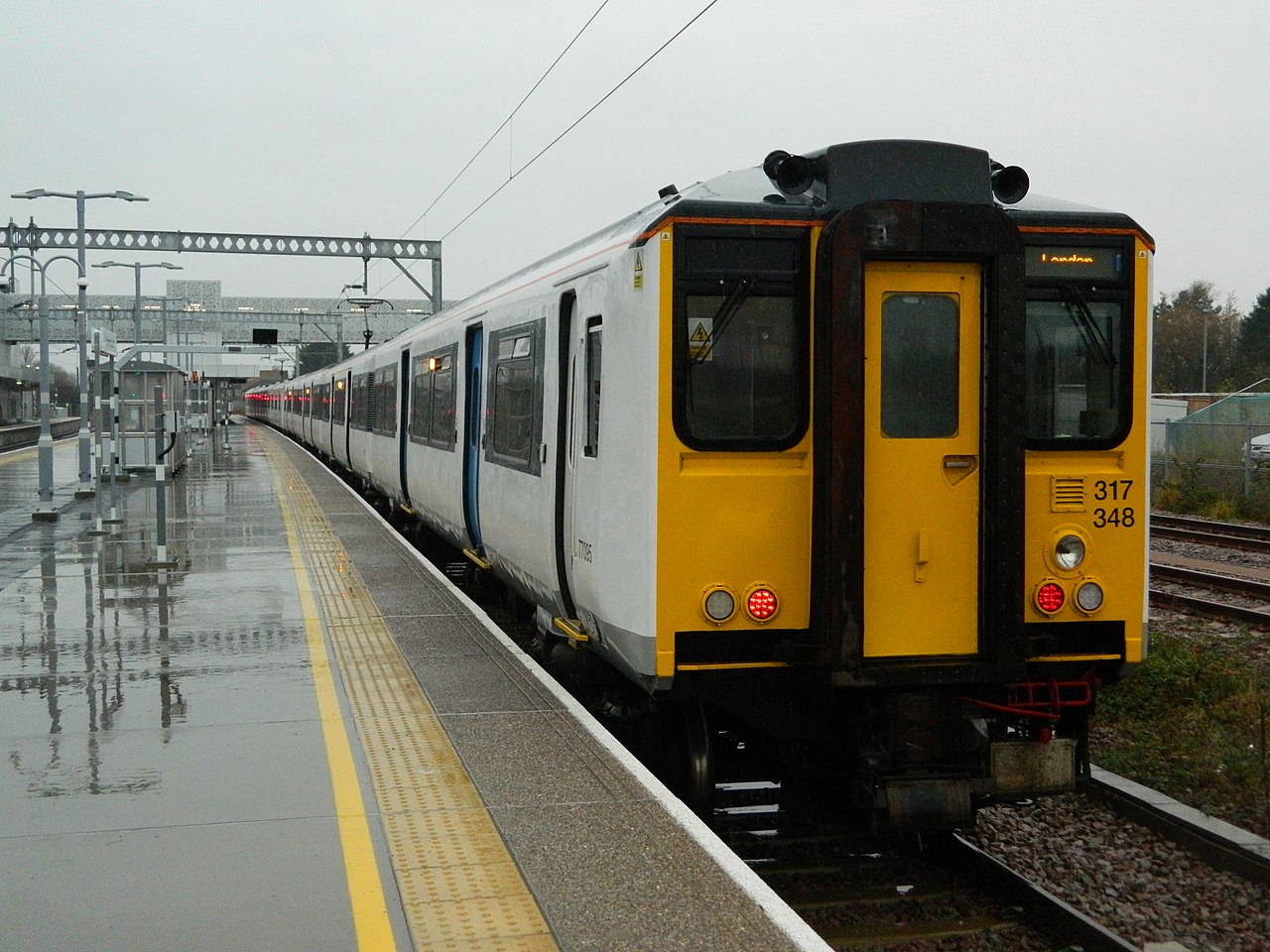
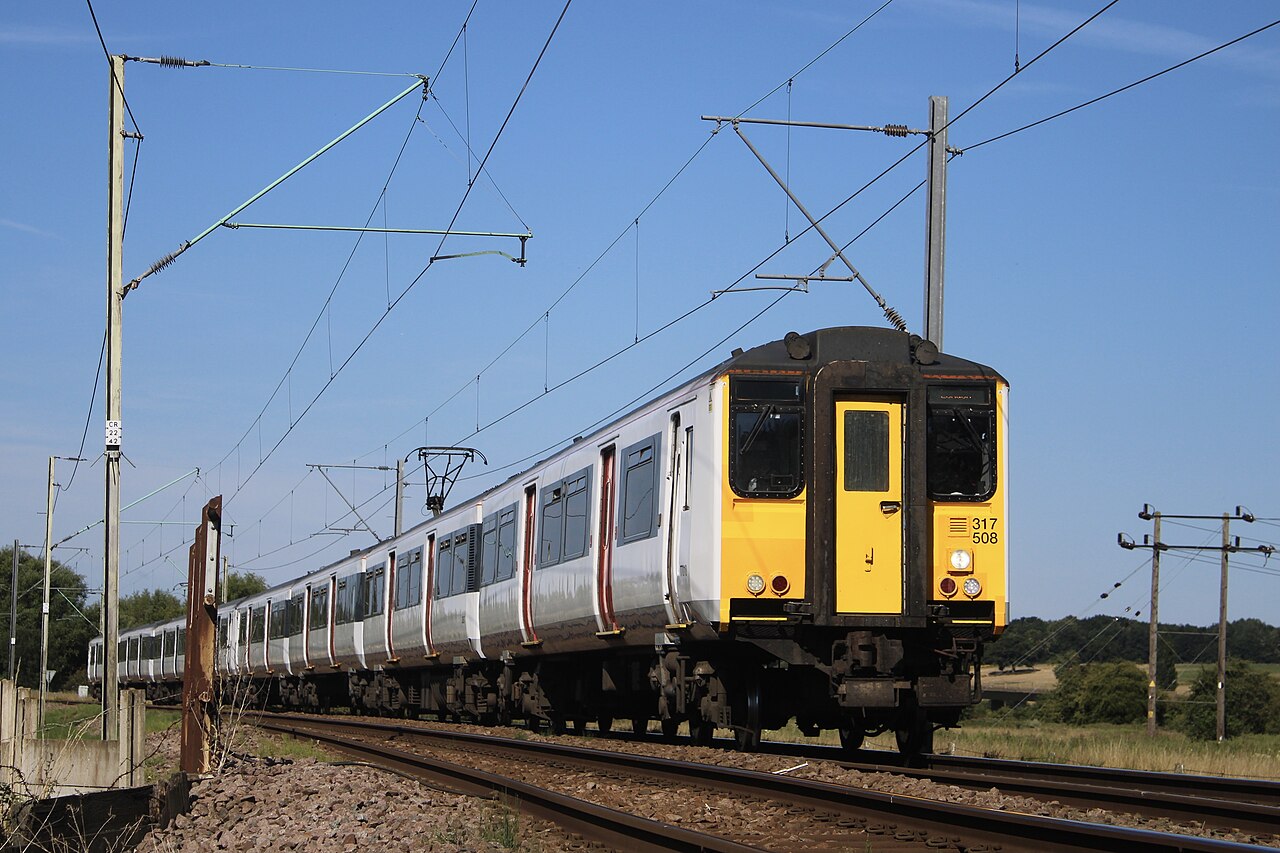
British Rail Class 317 are 25 kV AC electric multiple units built by BREL York in the 1980s, notable for using the all-steel Mark 3 bodyshell and serving suburban and outer-suburban commuter services.
The British Rail Class 317 is a family of 25 kV AC electric multiple units introduced by British Rail in the early 1980s. Constructed by BREL at the York works, the fleet was produced in two main batches between 1981–82 and 1985–87. These trains are significant for being among the first suburban EMUs to adopt the all-steel Mark 3 bodyshell rather than the earlier lightweight aluminium "PEP" format used on earlier units.
Image gallery
10 Images




Design and characteristics
Class 317 sets were built with a robust Mark 3-derived structure that emphasized crashworthiness and a level of commonality with contemporary coaching stock. They were designed for commuter and outer‑suburban duties under overhead electrification, typically arranged as four-car sets to balance capacity and acceleration. The Mark 3 influence brought smoother ride quality and a conventional, durable exterior profile.
Key features and distinctions include:
- Use of the all-steel Mark 3 bodyshell rather than the aluminium PEP-derived bodies of earlier designs like the Class 313–315.
- Common structural lineage with other units, including Class 318 and Class 455, and conceptual links to diesel "sprinter" types such as the Class 150.
- Intended for regular stop-start commuter services on electrified routes.
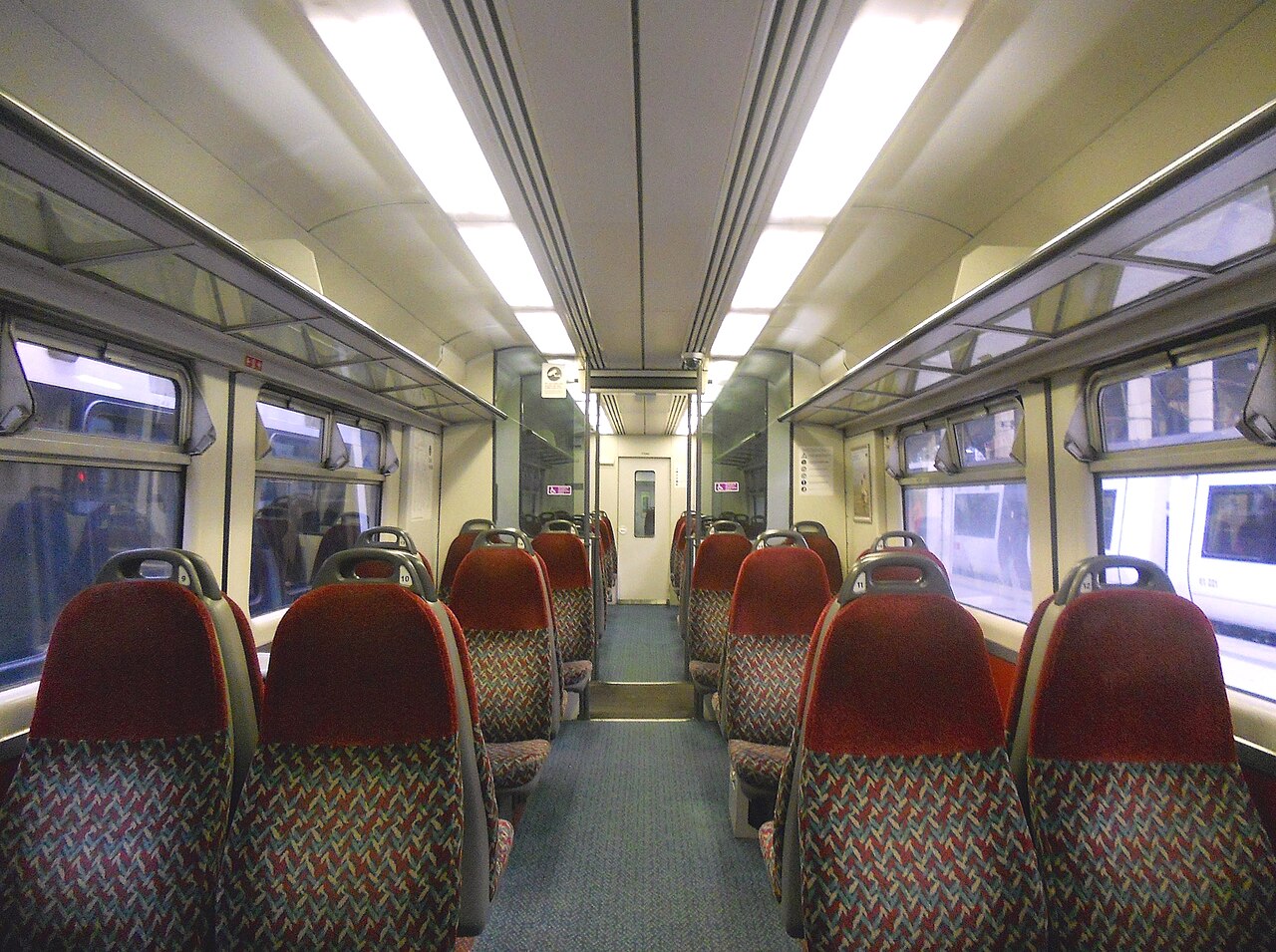
Internals and systems were updated at various points in service life; many sets received mid‑life refurbishments to seating, lighting and passenger information systems to extend usefulness into the 21st century.
History and operational use
The decision to move away from the PEP aluminium concept toward a Mark 3-derived all-steel shell reflected a shift in priorities: standardization with mainline coaching practice, improved durability and easier maintenance. Class 317s filled a need for reliable suburban EMUs and served on a range of commuter and outer‑suburban services. Over time, operators modernized interiors or cascaded units as newer fleets arrived.
As with many classes of this era, the Class 317 fleet saw gradual withdrawal once more modern, energy‑efficient and accessible trains became available. Some units were refurbished, a number were repurposed for non‑passenger roles, and preservation groups have expressed interest in representative examples of the type as part of the UK’s recent railway heritage.
For further technical details and fleet histories, consult specialised sources and fleet diagrams via official records and enthusiast reference pages: overview, manufacturer, construction site, bodyshell notes, Mark 3 background, and class comparisons such as Class 313, Class 315, Class 318, Class 455 and Class 150.
Related articles
Author
AlegsaOnline.com British Rail Class 317 electric multiple units Leandro Alegsa
URL: https://en.alegsaonline.com/art/14403