
British Rail Class 150 Sprinter diesel multiple unit
Two-car Sprinter-family diesel multiple units built 1984–87 by BREL. A versatile regional train that replaced first-generation DMUs and remains in widespread local service after refurbishments.
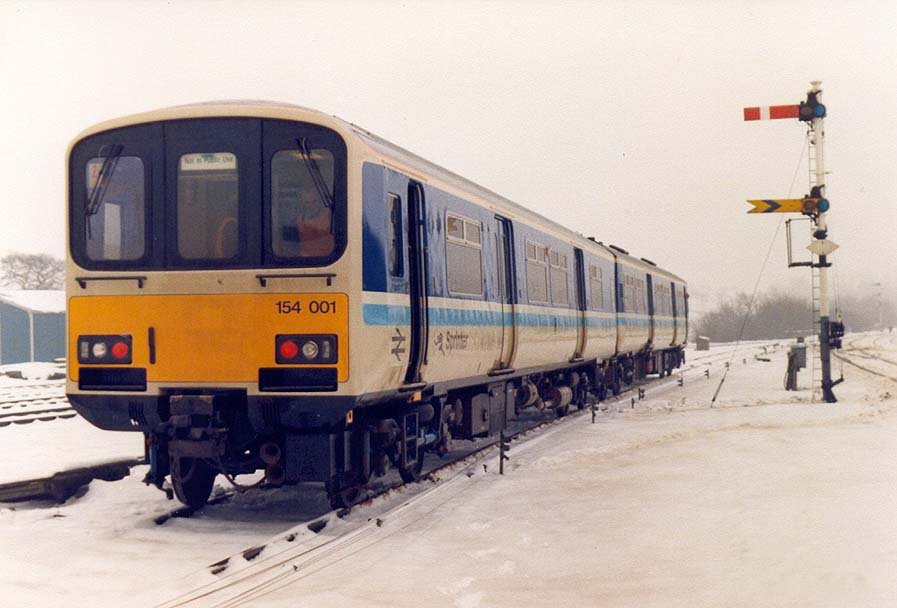
The British Rail Class 150, commonly called the "Sprinter", is a family of two-car diesel multiple units (DMUs) introduced in the mid-1980s as part of British Rail's programme to replace ageing first-generation "Heritage" units. Built by British Rail Engineering Limited between 1984 and 1987, 137 vehicles were produced in three related subclasses and deployed across regional and commuter services in the United Kingdom.
Image gallery
10 Images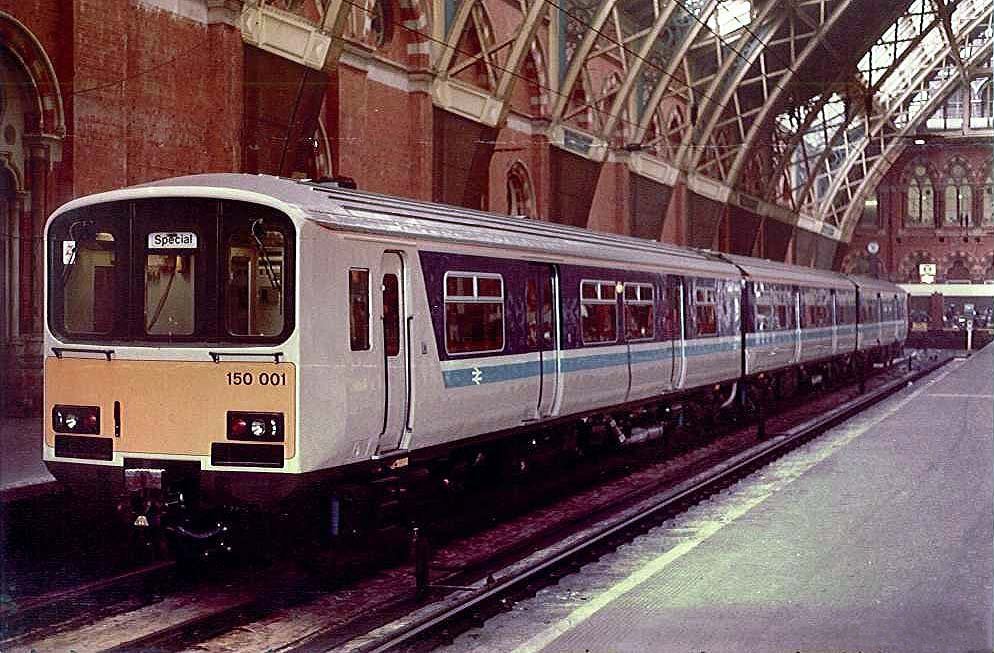




Design and characteristics
Class 150 units were designed for short to medium-distance routes and branch-line work. Formed typically as two-car sets with driving cabs at each end, they provide rapid turnarounds and flexible operation on non-electrified lines. The units are diesel-powered and were specified with a maximum speed suitable for secondary services; their durable mechanical design and relatively simple systems contributed to steady reliability and straightforward maintenance for regional fleets.
Subclasses and adaptations
- The class is commonly divided into three main subclasses, which differ in internal layout, door arrangements and minor equipment details to suit different operational roles.
- Throughout their careers many units have been refurbished to improve passenger comfort, accessibility and compliance with modern standards. Refurbishments typically include new seating, passenger information systems, improved lighting and adaptations for accessibility.
Service history and operators
Originally introduced by British Rail, Class 150s were widely distributed across the national network and later assigned to various train operators after privatisation. They have served on rural and suburban routes where electrification is not available and have often been retained in traffic because of their flexibility. On some routes they have been superseded by newer multiple units, while on others they remain a mainstay of local services.
Legacy and preservation
As part of the wider "Sprinter" family, the Class 150 contributed to standardising maintenance practices compared with the many different first-generation DMU types it replaced. Several vehicles have entered preservation or are of interest to enthusiast groups, and the type is frequently cited in discussions of British regional rail evolution. For up-to-date fleet details, operator allocations, manufacturing history, refurbishment records and preservation information consult the linked resources below.
Further information: manufacturer and build history, fleet and technical data, operator allocations, refurbishment and accessibility updates and preservation and enthusiast resources.
Tags
Related articles
Author
AlegsaOnline.com British Rail Class 150 Sprinter diesel multiple unit Leandro Alegsa
URL: https://en.alegsaonline.com/art/14346