
British Rail Class 313 electric multiple unit
A dual-voltage three-car suburban electric multiple unit introduced in the 1970s, notable as the first second-generation EMU for British Rail and the first with dual-voltage capability and automatic couplers.
Overview
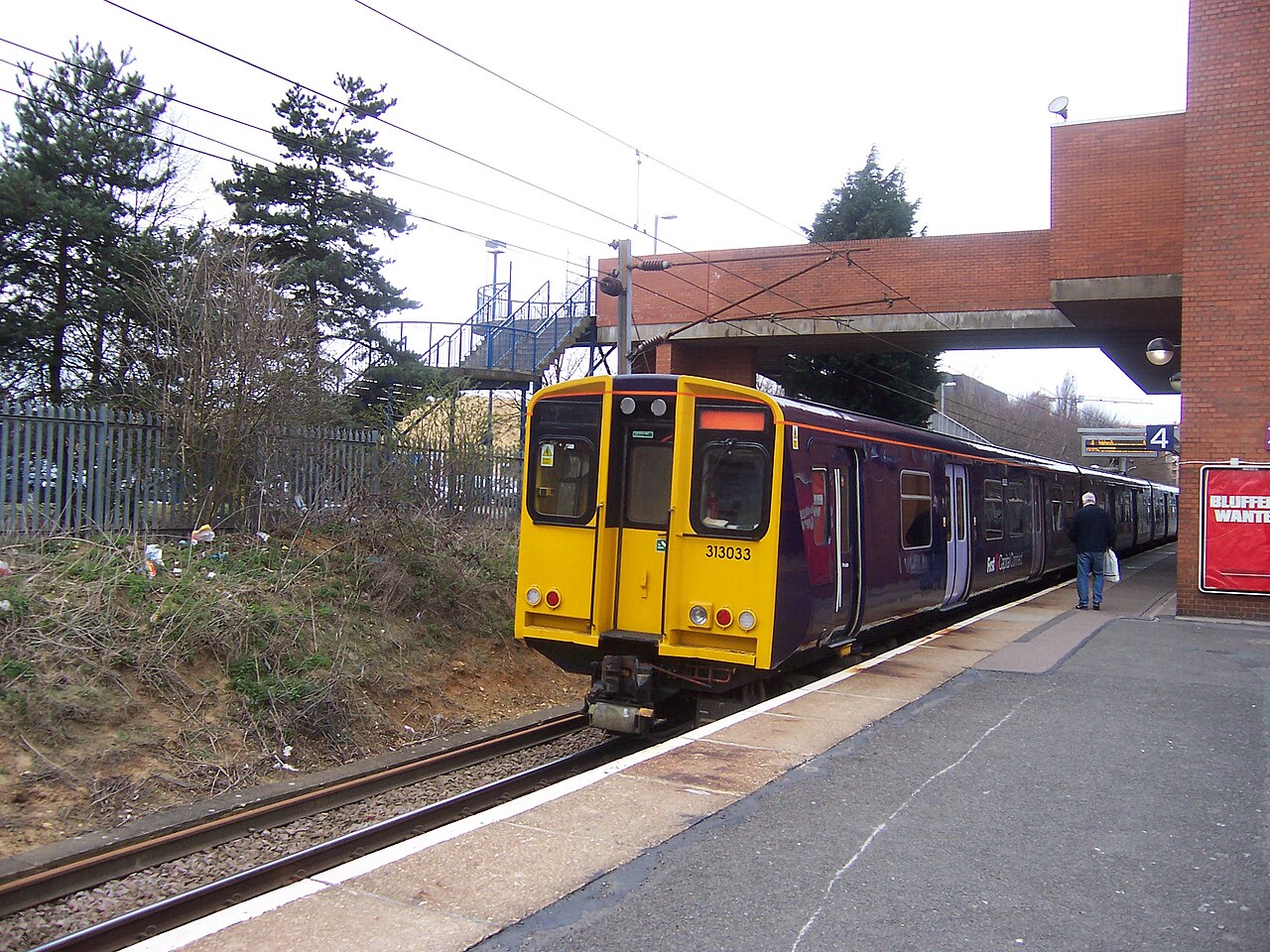
The British Rail Class 313 is a family of three-car electric multiple units introduced in the mid-1970s for suburban and inner‑city services. Built for deployment where trains needed to run on both overhead alternating current and third‑rail direct current electrification, the Class 313 represented a step change in flexibility and operational reach for commuter services. For a concise reference see the Class 313 page: Class 313 and the context of its operator at introduction: British Rail.
Image gallery
10 Images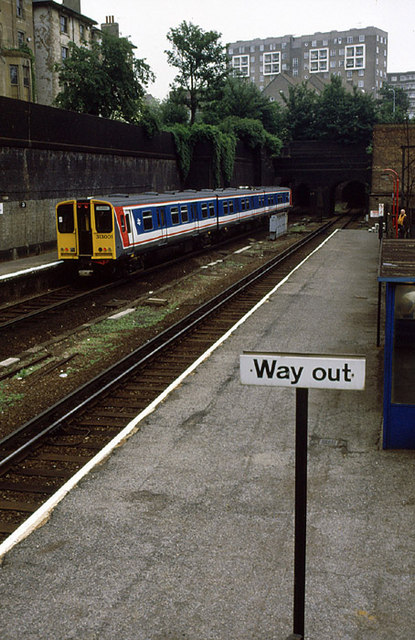




Design and technical features
The sets are formed of three vehicles with driving cabs at each end and a powered intermediate car, enabling short, high-frequency workings on busy suburban routes. A defining technical capability is the dual‑voltage electrical equipment, allowing units to draw 25 kV AC from overhead wires or 750 V DC from a third rail, which reduced the need for passengers to change trains where electrification systems changed. They were also fitted with automatic couplers that combined mechanical, electrical and pneumatic connections to speed coupling and reduce staff interventions. The units were produced by BREL at the York Works: York.
History and development
Construction took place during 1976 and 1977, when British Rail was modernising suburban fleets and introducing the so‑called second generation of EMUs. The Class 313s were among the first of this new wave, bringing improved passenger seating and more modern systems compared with older slam‑door stock. Early examples entered service from around 1976 and continued to be built into 1977.
Service roles and later life
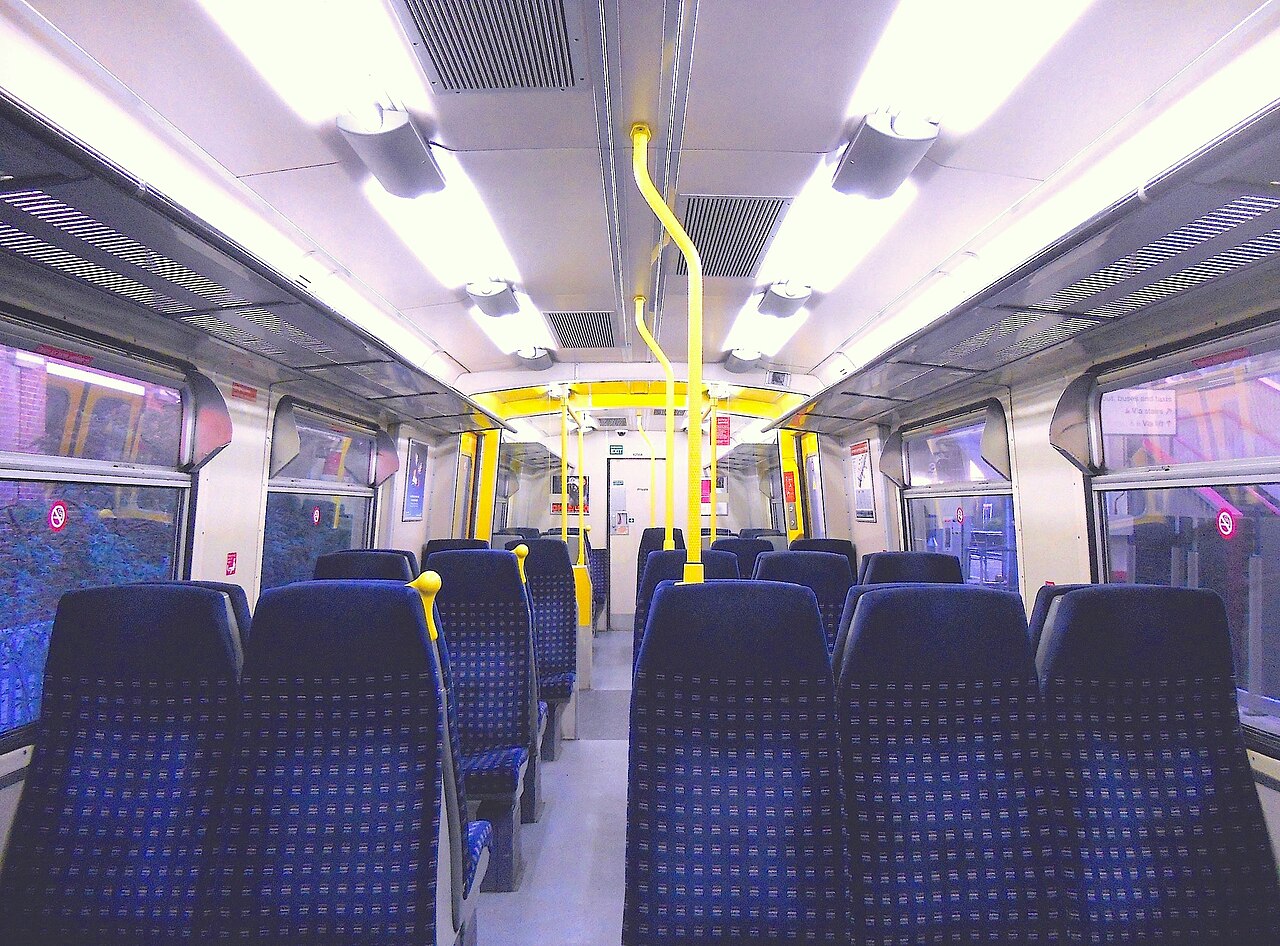
During their operational life the Class 313s handled short‑distance commuter flows into and around large cities, where frequent stops and quick turnaround were priorities. Over decades many were refurbished to extend service life, modify interior layouts and meet changing accessibility and safety standards; later generations of EMUs and changes in electrification gradually replaced them on some routes. A number of units have been preserved by heritage groups or retired from passenger service after long careers.
Legacy and notable characteristics
The Class 313s are remembered for combining dual‑voltage flexibility with the convenience of automatic couplers, innovations that influenced subsequent suburban EMU designs. Their introduction marked a clear move toward standardised, more capable commuter trains, and their long service lives testify to a durable and adaptable basic design. For technical details and fleet histories consult specialist sources and preserved-vehicle registries via the Class 313 and British Rail references above: Class 313 information and British Rail context.
Related articles
Author
AlegsaOnline.com British Rail Class 313 electric multiple unit Leandro Alegsa
URL: https://en.alegsaonline.com/art/14400