
British Rail Class 165 Network Turbo diesel multiple unit
Overview of the British Rail Class 165 'Network Turbo' DMU: design, history, variants, operators, and role in suburban and regional passenger services in the UK.
Overview
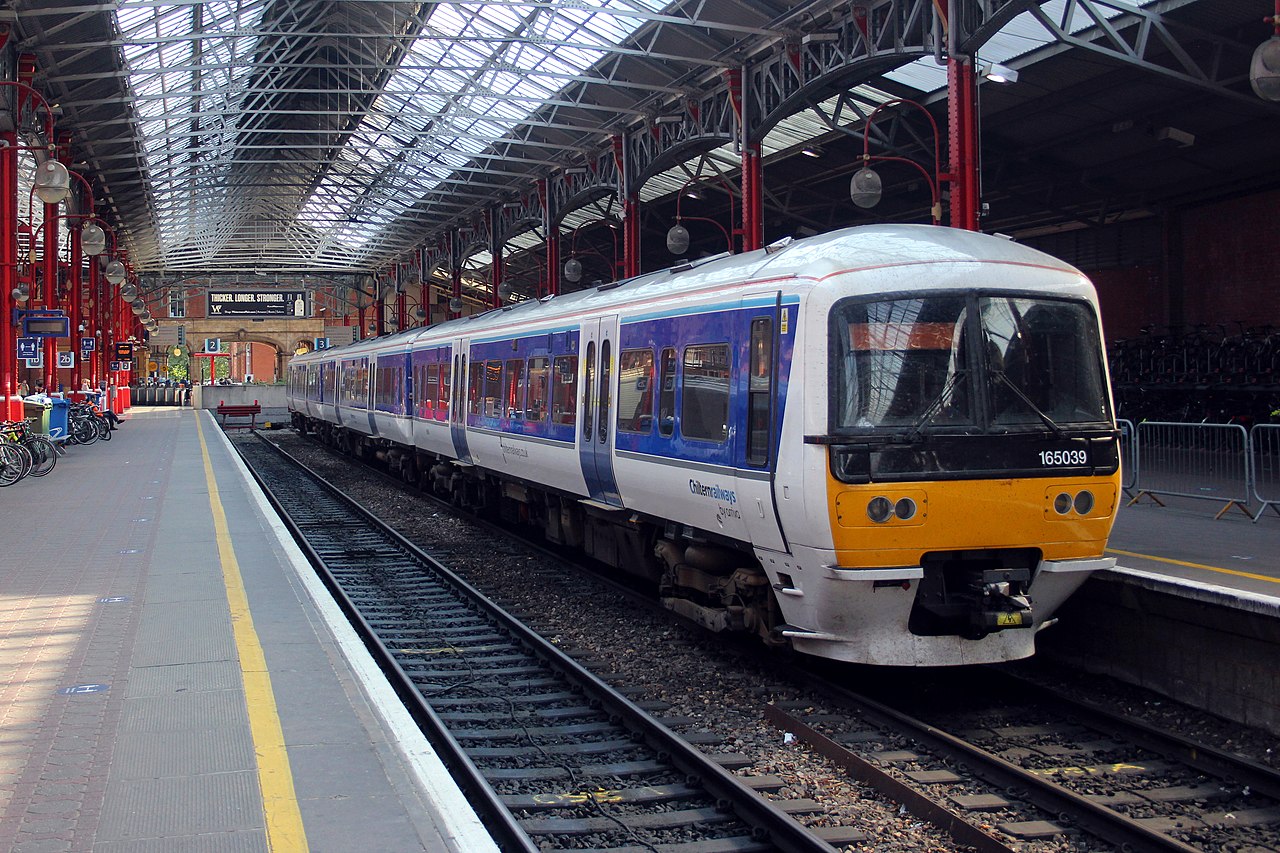
The British Rail Class 165 "Network Turbo" is a family of diesel multiple units (DMUs) introduced in the early 1990s for suburban and regional passenger services. Built at the BREL York Works between 1990 and 1992, these trains formed part of the wider Networker design philosophy and were intended to replace older commuter rolling stock. They are commonly seen operating in two- and three-car formations and are notable for their role on short to medium-distance routes.
Image gallery
10 Images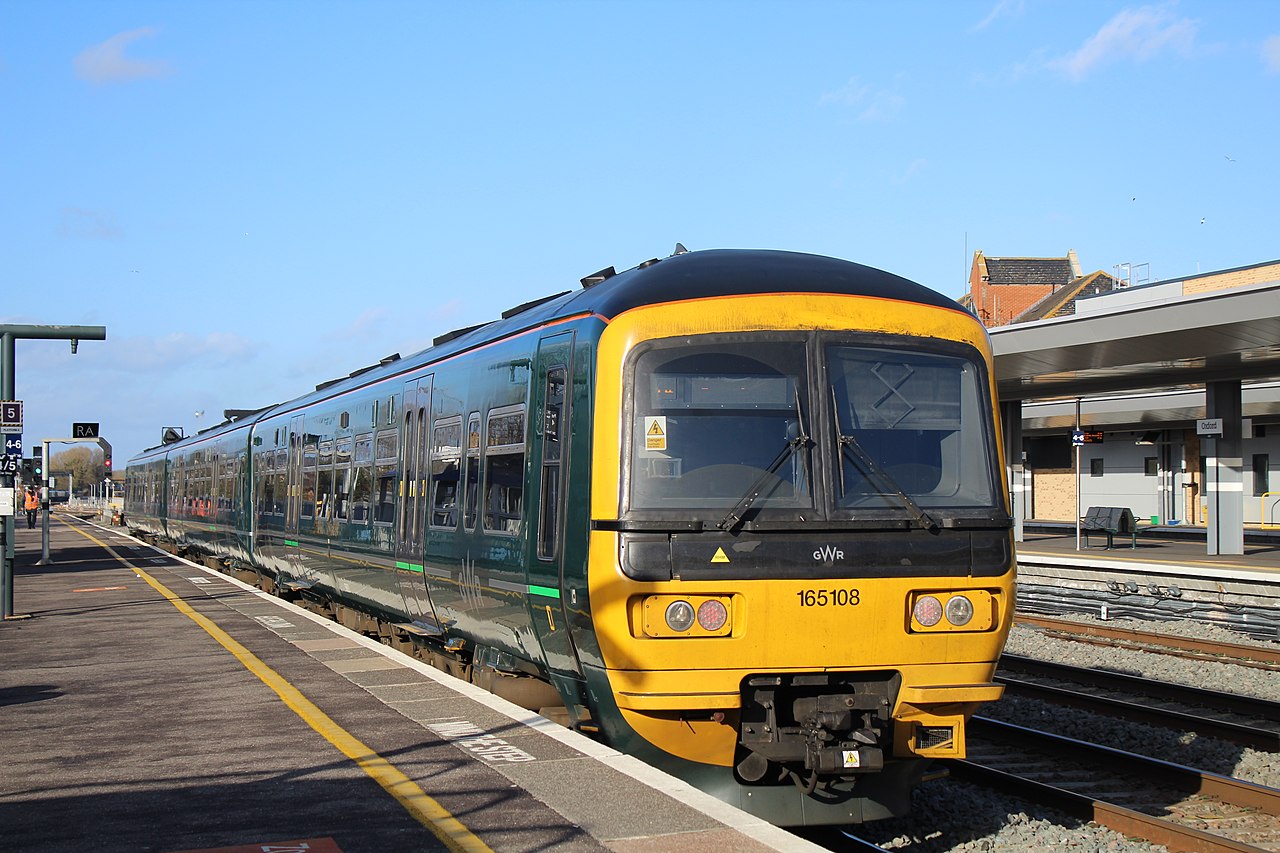


Design and characteristics
The Class 165 units are diesel-powered multiple units with driving cabs at each end and gangways allowing passengers and staff to move between connected sets. Interior layouts were arranged for high-capacity commuter use, with standard seating and standing space optimized for frequent stop services. Variants within the class differ mainly in formation length and some interior fittings; an express-oriented sister type was developed as the Class 166 Network Express Turbo.
History and development
Commissioned during a period of fleet renewal, the Class 165 was produced as part of British Rail’s late Networker programme to modernize suburban services. Manufacture took place at the BREL works in York and the new units entered service on routes previously handled by older slam-door and locomotive-hauled trains. Over time the Class 165 has undergone refurbishment programmes to refresh interiors and update systems to meet changing passenger expectations and regulatory standards.
Operators and service
Since introduction, Class 165 units have been operated by several train companies on commuter and regional lines. They are commonly seen on services radiating from major cities and have been used by operators including those that succeeded the original Network SouthEast sector. Their flexibility in two- and three-car formations makes them useful on routes with varying demand levels.
Role, variants and notable facts
- Role: Designed for frequent-stop suburban and regional services, replacing older commuter trains.
- Variants: Produced in multiple formations; the closely related Class 166 offers higher-spec fittings for longer-distance services.
- Legacy: Part of the Networker family that sought common design features across suburban fleets; examples continue to operate after refurbishment cycles.
Further reading
For more detailed technical specifications, operational histories and fleet diagrams consult resources linked to the class and family pages: diesel multiple unit overview, manufacturing histories at BREL records, and Networker family summaries at Networker pages. Additional operator-specific information can be found via regional franchise histories and preserved railway publications (York works archives may also contain primary资料).
Relevant entries and related models include the express-oriented Class 166 and other Networker derivatives; historic context is available through accounts of British Rail sectorization and the move toward modern multiple-unit fleets (British Rail era documentation).
Readers interested in current deployment, refurbishment programmes or availability on particular routes should consult operator timetables and fleet status reports available from franchise and industry sources (DMU overview, Networker family).
Tags
Related articles
Author
AlegsaOnline.com British Rail Class 165 Network Turbo diesel multiple unit Leandro Alegsa
URL: https://en.alegsaonline.com/art/14355
Sources
- chilternrailways.co.uk : "Chiltern Railways: About us - Our train fleet"
- commons.wikimedia.org : British Rail Class 165