
Networker (train family)
A family of British suburban multiple-unit trains built for Network SouthEast in the late 1980s and early 1990s, used for commuter and regional services in varied electric and diesel forms.
The Networker name describes a group of multiple-unit passenger trains introduced on the UK rail network to modernize suburban and short regional services. Commissioned for the Network SouthEast sector of British Rail, the family was produced by manufacturers including BREL and Metropolitan Cammell (later part of ABB). Different members were configured as diesel multiple units (DMUs) or as electric multiple units (EMUs) to meet a range of routes and electrification systems.
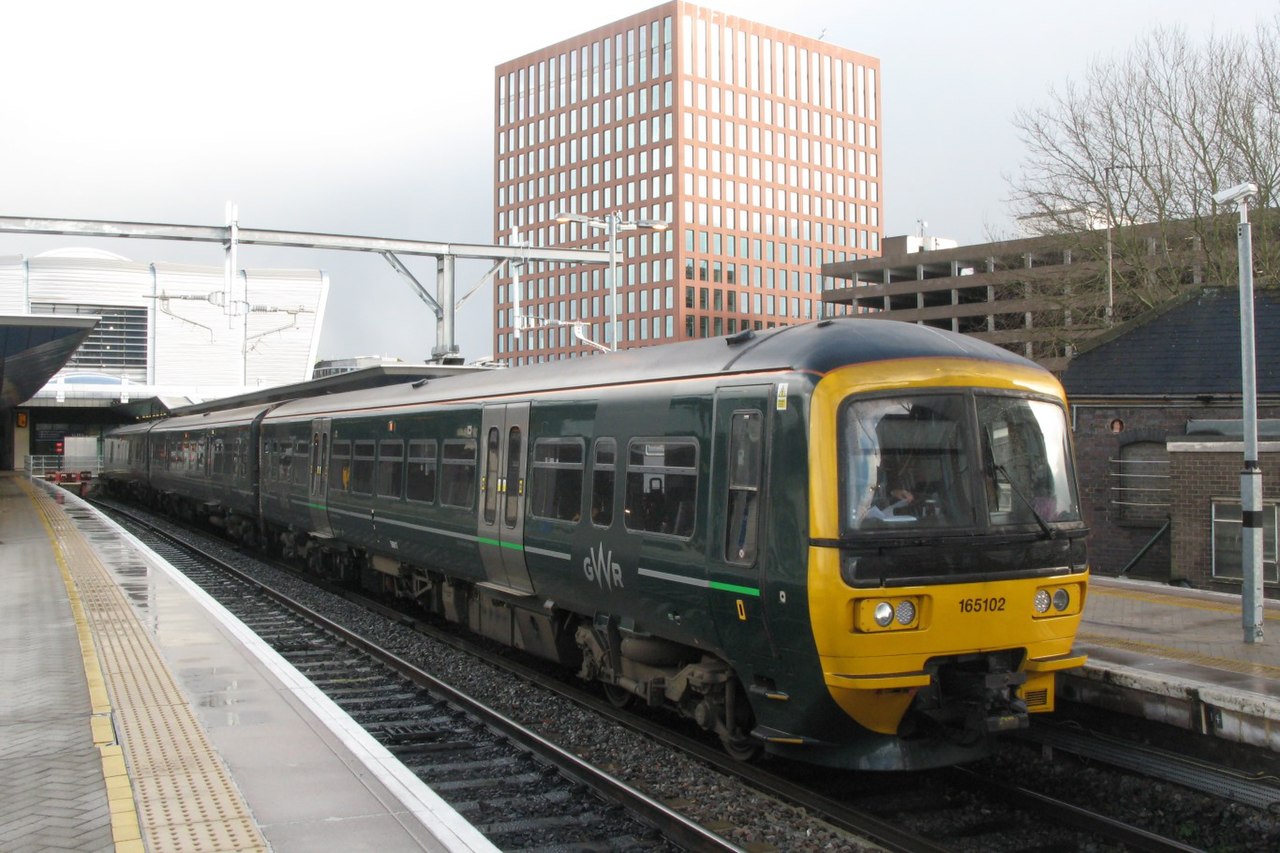
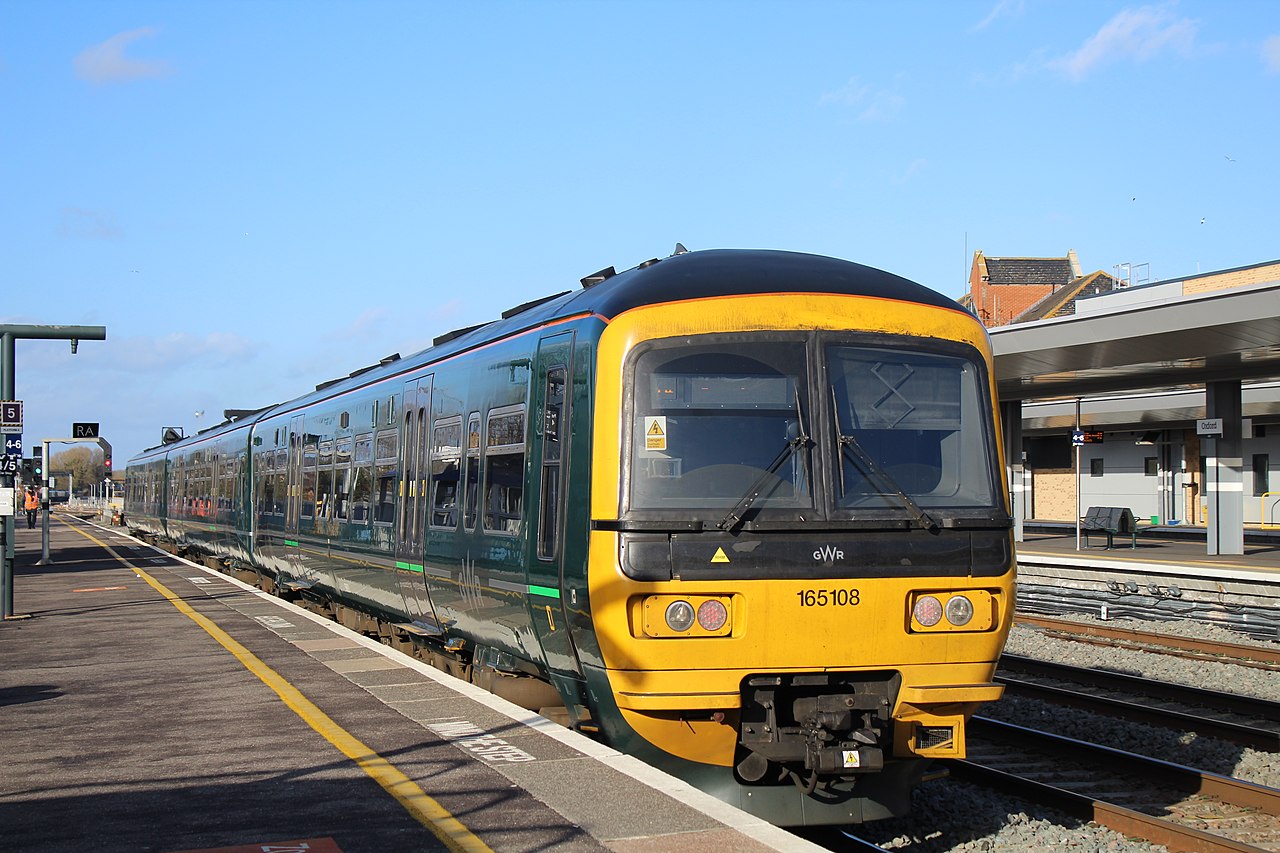
Class 165 and Class 166 are the diesel "Turbo" derivatives intended for regional and commuter duties, while the electric members include suburban third-rail sets such as Class 465 and its two-car companion Class 466. The longer-distance electric "express" variant is represented by Class 365. Visual examples of the family appear across operators' liveries: 


Image gallery
10 Images


Characteristics
Networker units share a common design philosophy: lightweight, modular construction aimed at frequent-stop commuter work with rapid acceleration and easy maintenance. Typical characteristics include:
- Multiple-unit capability allowing sets to work in pairs or longer formations.
- Interiors tailored for high passenger flows with mix of seating and standing space.
- Variants adapted to different power supplies—on-board diesel engines for Turbos, and electric equipment for third-rail or overhead electrification.
History and development
Designed in the late 1980s to replace older suburban stock, Networkers were introduced as part of a broader renewal of commuter fleets under Network SouthEast. Production continued into the early 1990s. After rail privatization, many units passed to franchise operators and were refurbished or repainted to suit new operators' branding and service needs.
Service, operators and examples
Throughout their careers, Networker types have been widely deployed on commuter corridors around London and the South East and on regional routes. Operators and former operators that have run Networker trains include First Capital Connect, Connex South Eastern and current regional franchisees. Their adaptability has kept many in traffic for decades, while some sets have been cascaded to secondary routes or withdrawn as newer stock arrives.
Variants and legacy
The Networker family is notable for delivering a common aesthetic and operational approach to a varied set of traffic requirements. While individual classes differ in power systems, length and interior layout, collectively they represent a major modernization step from earlier 1970s and 1980s units. Today the Networker name remains associated with reliable suburban multiple units that bridged late-20th-century design with ongoing fleet renewal.
Related articles
Author
AlegsaOnline.com Networker (train family) Leandro Alegsa
URL: https://en.alegsaonline.com/art/69292