
British Rail Class 139 light railcar (Parry People Movers PPM60)
Lightweight single-car rail units built by Parry People Movers using flywheel energy storage. Classified as British Rail Class 139 and introduced for short-branch passenger services in Great Britain.
The British Rail Class 139 designation covers a family of lightweight, single-unit railcars produced by Parry People Movers for use on the national rail network. These vehicles are based on the company's PPM60 model and were developed specifically to provide an economical, low-emission solution for very short branch lines and shuttle services. The Class 139 units introduced a distinct approach to regional passenger transport by combining compact vehicle design with an on-board energy storage system.
Image gallery
7 Images

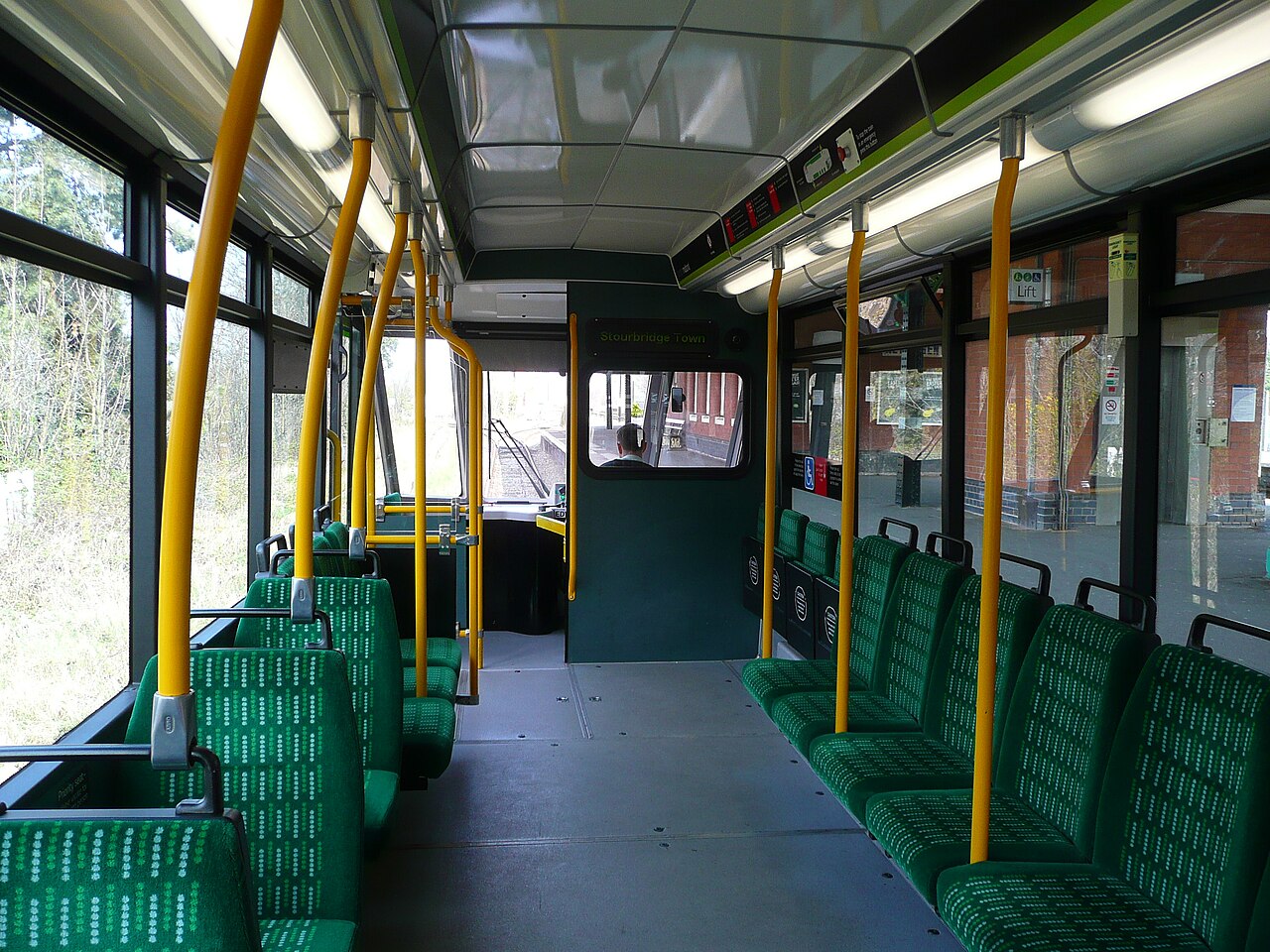


Design and characteristics
Class 139 vehicles are purpose-built light railcars rather than conventional multiple-unit trains. Their defining technical feature is a flywheel-based energy storage system that captures braking energy and supplies propulsion bursts when required. This arrangement reduces fuel consumption and emissions compared with older diesel-only railcars, and offers quick acceleration well suited to sequences of short runs.
- Propulsion: hybrid arrangement centered on a high-speed flywheel energy store, supported by a small internal-combustion engine used to maintain flywheel speed and provide extended range.
- Configuration: single, bi-directional car designed for short-distance passenger duties with a simplified interior to maximize usable space and minimize weight.
- Operational benefits: lower operating costs on lightly used routes, reduced track wear and the ability to operate on existing national rail infrastructure.
History and development
Parry People Movers, a British company specialising in lightweight, flywheel-powered transport, developed the PPM60 variant in the 2000s to target niche markets where conventional rolling stock was uneconomic. The units classed as Class 139 were constructed to operate on national infrastructure while delivering the operating economy of a tram-like vehicle. The first examples were completed in 2008 with the intent of serving ultra-short branch lines and shuttle services.
Operation and examples
The Class 139 units have been used primarily on short branch lines where their rapid acceleration, simple maintenance needs and low fuel use make them practical. Such services typically involve repeated short journeys with frequent stops, conditions under which the flywheel storage concept offers the clearest advantages. The vehicles are certificated to run on the national network and are compatible with standard signalling and station interfaces.
Significance and distinctions
Class 139 represents a different design philosophy from conventional multiple units: instead of building a heavy, high-speed train suitable for long-distance service, these units focus on minimal weight, energy recovery and low lifecycle costs for lightly trafficked lines. They illustrate how alternative energy storage and lightweight construction can make some marginal rail services viable. The ATO and TOPS identity of the class link it to mainstream railway operations while its technology aligns it with experimental and sustainable transport trends.
Further reading
For classification details see the TOPS system and related material: TOPS classification. Background on the manufacturer: Parry People Movers. Context on operating the national network: national rail network and information on regional railways in Great Britain.
Related articles
Author
AlegsaOnline.com British Rail Class 139 light railcar (Parry People Movers PPM60) Leandro Alegsa
URL: https://en.alegsaonline.com/art/14338
Sources
- parrypeoplemovers.com : "PPM 50/ PPM 60 Specification"