
Louis-Nicolas Clérambault: French Baroque Organist and Cantata Composer
Overview of Louis-Nicolas Clérambault (1676–1749), his life as a Parisian organist, his role in developing the French cantata, key compositions, positions held, and his musical legacy.
Louis-Nicolas Clérambault (born Paris, 19 December 1676; died Paris, 26 October 1749) was a leading French composer and celebrated organist of the French Baroque. He established a reputation both as a keyboard virtuoso and as a composer of vocal chamber works, and he occupied several prestigious musical posts in the capital during the first half of the 18th century.
Image gallery
1 Image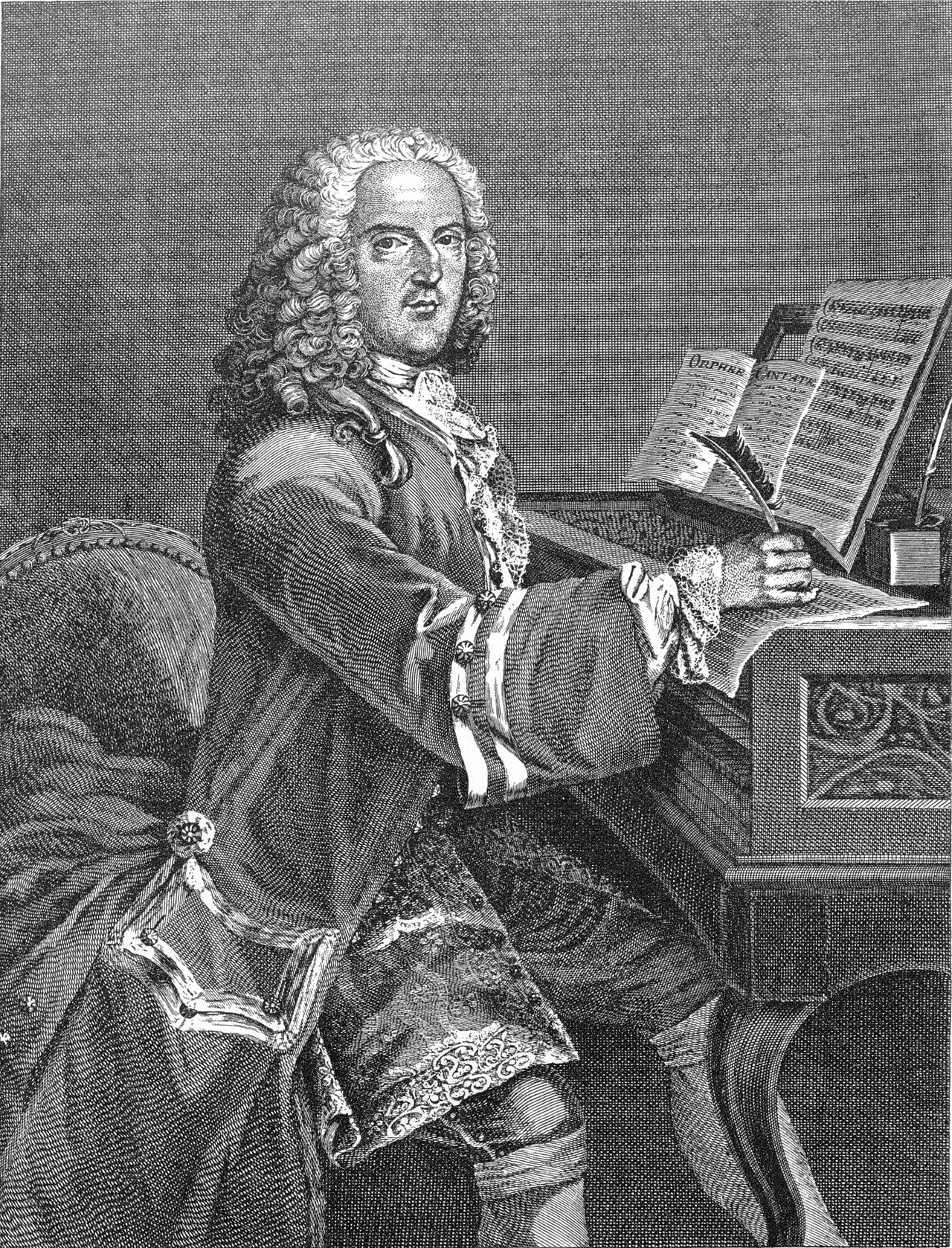
Background and training
Clérambault belonged to a musical family and received a practical, broad education in performance and composition. In youth he studied the violin, the harpsichord and the organ, together with lessons in composition and singing. His combination of keyboard skill and vocal sensibility shaped both his sacred and secular output. He was regarded in his lifetime as one of the most distinguished organists working in Paris.
Career and positions
Clérambault served as organist at important Parisian churches, notably the Grands-Augustins and later at Saint-Sulpice, where his playing and improvisatory skill were highly prized. He also worked for Madame de Maintenon, organizing musical events connected with the court of King Louis XIV, and he directed music at the royal house for girls in Saint-Cyr (the Maison Royale de Saint-Cyr), a foundation devoted to the education of daughters of impoverished nobility. At Saint-Cyr he supervised the choir, taught music and composed pieces suitable for the institution’s liturgical and pedagogical needs.
Works and musical contribution
Clérambault is particularly noted for his cantatas, a genre he helped adapt to French taste. His cantatas often draw their subjects from classical mythology and narrative, treating Greek and Roman tales with expressive recitatives and lyrical airs. In addition to cantatas, his oeuvre includes pieces for organ, harpsichord suites, and chamber works with violin and continuo. His organ compositions reflect the French ecclesiastical style of the period, balancing liturgical function with refined ornamentation.
Style and legacy
Clérambault’s style blends clear melodic lines and a sensitivity to text with the rhythmic grace typical of French Baroque music. He is often credited with helping to shape a distinct French cantata form—more intimate and declamatory than its Italian counterparts—suitable for salon performance as well as private devotion. After his death his positions were continued by family members; two of his sons followed him into musical posts, ensuring a degree of continuity in performance practice.
Notable facts and modern appreciation
- He balanced sacred duties with secular composition and courtly employment.
- His cantatas remain of interest to performers exploring French Baroque vocal repertoire (cantatas).
- His keyboard works provide insight into French organ and harpsichord technique of the early 18th century.
For further context on Clérambault’s music and surviving editions, consult specialized catalogues and recordings that focus on French Baroque organ and vocal music. Additional resources and modern performances can be found via archival databases and music libraries (biographical entries, chronologies, death notices, national surveys, organ studies, composition lists, violin repertoire guides, harpsichord resources, theory references, vocal technique, Saint-Cyr histories, cantata collections, classical subjects, mythological themes).
Author
AlegsaOnline.com Louis-Nicolas Clérambault: French Baroque Organist and Cantata Composer Leandro Alegsa
URL: https://en.alegsaonline.com/art/141830