
Musical composition: creation, structure, history, and practice
Overview of musical composition covering its meaning, elements (form, harmony, orchestration, counterpoint), history, study, and practical uses in performance and media.
Musical composition refers both to an original piece of music and to the activity of creating that piece. In everyday use the term denotes a finished work — a set of musical ideas arranged into a performance-ready form — as well as the craft and techniques behind producing such works. The word itself derives from the idea of "putting together": combining melody, harmony, rhythm and timbre into an organized whole. A modern composer writes, revises and often notates a composition so it can be performed, recorded or transmitted.
Image gallery
3 Images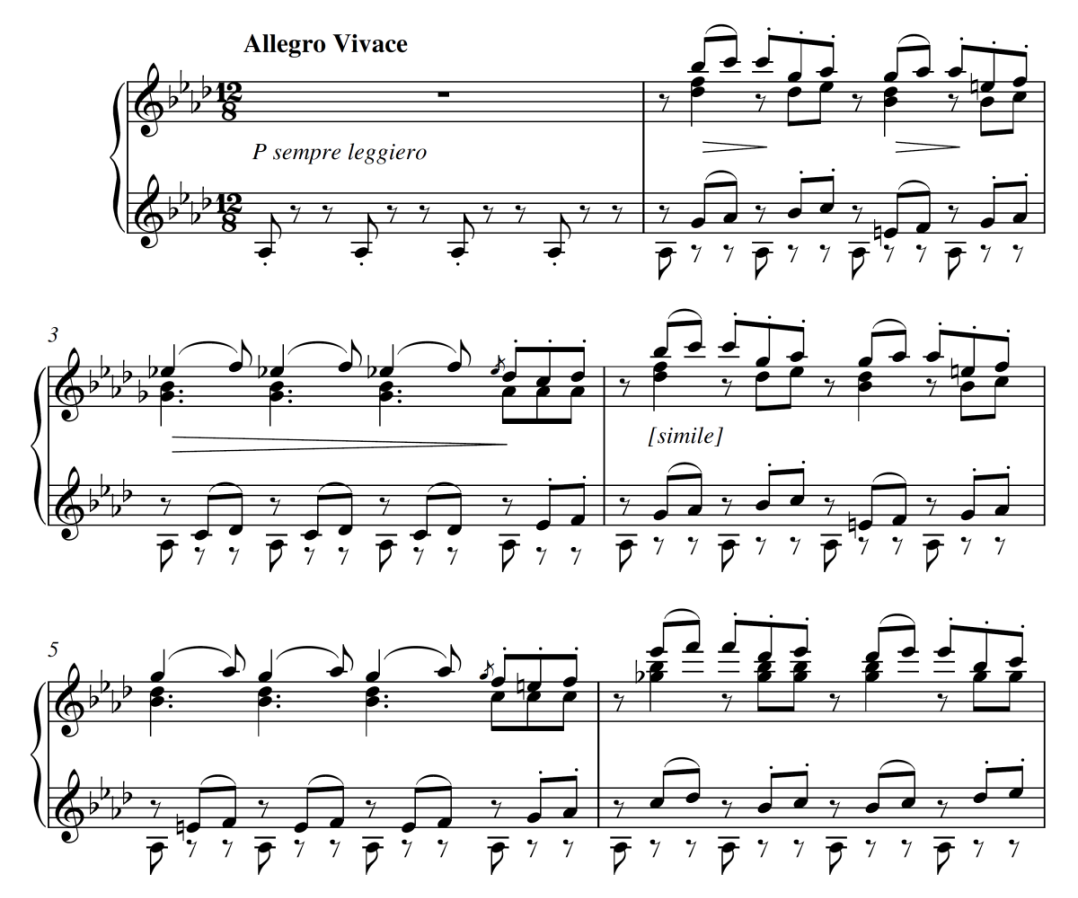


Core elements and parts of a composition
A musical composition is built from interlocking elements. These elements are studied and practised separately, then integrated during composition:
- Melody: the sequence of pitches perceived as a unit or theme.
- Harmony: the vertical stacking of pitches that support or color the melody; study of harmony informs chord progressions and tonal direction. Learn more about harmony.
- Rhythm and meter: temporal organization that determines pulse, accent and groove.
- Form and structure: large-scale architecture of a piece (repetition, contrast, development). Form and structure are central to coherence.
- Orchestration and instrumentation: selection and combination of instruments to achieve desired colors and balance. Practical knowledge of instruments is essential; students study how to write effectively for each one. Orchestration and instrumental techniques are taught together.
- Counterpoint: the art of combining independent melodic lines to create harmony and interest. Counterpoint remains a foundational skill in many traditions.
History and development
The practice of composition has evolved with musical styles and technologies. In many cultures composition began as a communal or oral craft; over centuries Western art music developed notation that allowed complex works to be preserved and studied. From medieval monophony to Renaissance polyphony, through Baroque counterpoint, Classical forms and Romantic expressiveness, each era produced conventions that composers learned, adapted or rejected. The 20th and 21st centuries expanded techniques further with electronic media, popular song forms and cross-cultural influences. Conservatories and universities systematized the teaching of compositional techniques, encouraging both mastery of tradition and experimental approaches.
Study, process and practical methods
Studying composition often combines analysis, imitation and practice. Students examine established works to understand how composers achieved effects, then try exercises in harmony, counterpoint and form. Sketching, developing motifs, and orchestration trials are common steps. Some composers work primarily at a keyboard, others begin with recorded sounds, improvisation or computer-generated material. Notation, whether handwritten or produced with software, translates musical ideas into a form performers can realize. A composer may also collaborate with performers, conductors or producers to refine a piece for practical performance contexts. Conservatory courses and private teachers guide emerging composers through specific subjects such as composition pedagogy and repertoire study.
Uses, genres and examples
Compositions appear across genres: symphonies, chamber works, songs, film scores, electronic pieces, jazz charts and popular songs. Their functions vary — artistic expression, ritual, entertainment, commercial media, education — but all rely on the same basic decision-making about materials and structure. A single composer may write in many styles; collaborative genres (film, theatre, games) demand responsiveness to directors and narrative. Scores and parts document the composition; recordings and performances disseminate it. For introductory resources and canonical examples consult general guides and anthologies: an original composition can be studied alongside masterworks to see compositional principles at work.
Notable distinctions and practical notes
Distinguish between composer and performer roles: composers originate musical content while performers interpret it, though many musicians do both. "Composition" also names the academic discipline that trains creators; such programs emphasize analytical study of form, harmony, counterpoint, and orchestration. Technology has broadened who composes and how: software, digital audio workstations and sampling enable new workflows. For further reading or practical tools, look for instructional materials, score collections and community ensembles that commission and perform new pieces. Instrumental knowledge and continued listening remain central to effective composition.
Related articles
Author
AlegsaOnline.com Musical composition: creation, structure, history, and practice Leandro Alegsa
URL: https://en.alegsaonline.com/art/67765