
Sir John A. Macdonald: First Prime Minister and Nation-Builder of Canada
Overview of Sir John A. Macdonald (1815–1891): his role in Confederation, nation-building projects like the transcontinental railway, political career, policies, controversies, and legacy.
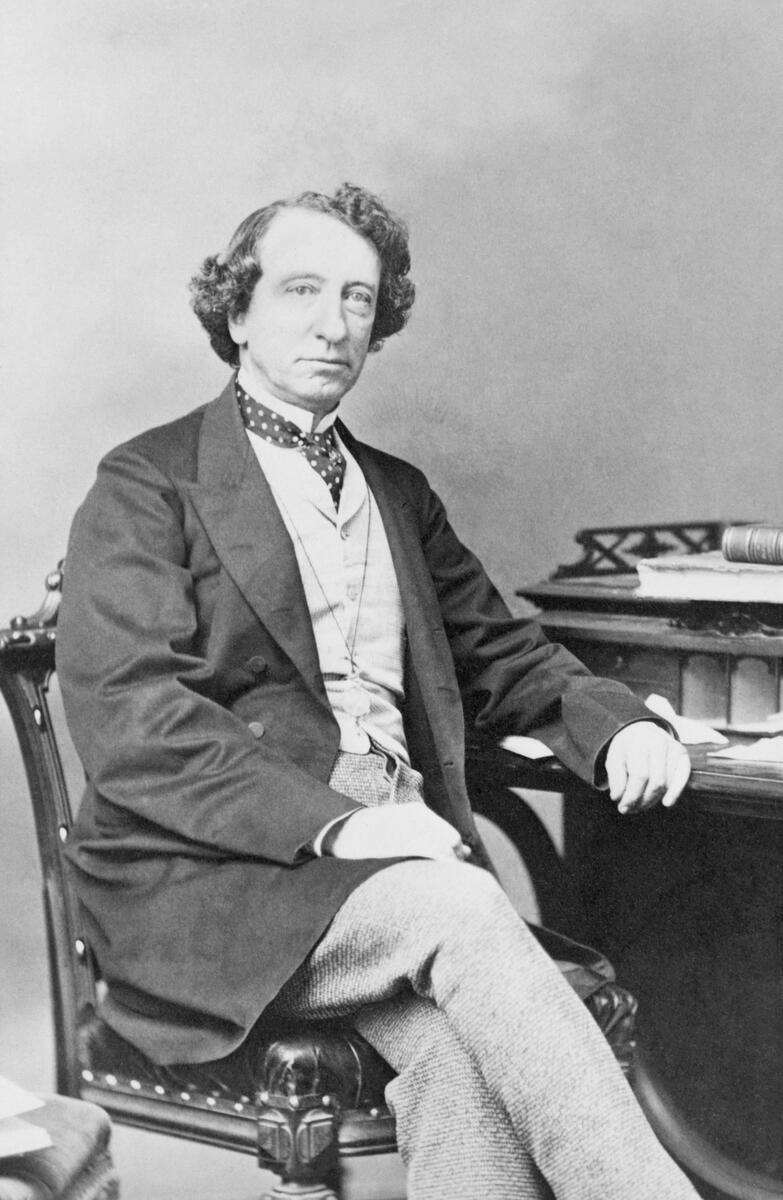
Sir John Alexander Macdonald (1815–1891) was the first prime minister of the Dominion of Canada and a central figure in the creation of the Canadian state. Often styled Sir John A. Macdonald GCB (honours) and a member of the Privy Council (PC), he led the federal government at Confederation and dominated Canadian politics in the late 19th century. Macdonald served two long stretches in office (1867–1873 and 1878–1891), winning multiple majority governments and shaping many of the institutions of the new country. The office he first held as head of government is commonly referenced as Prime Minister (office) of Canada (country).
Image gallery
10 Images





Early life and political rise
Born in Scotland and raised in Upper Canada, Macdonald trained as a lawyer and entered local politics before rising to national prominence. He played an influential role in the conferences and negotiations that produced Canadian Confederation in 1867, an event often summarized as the founding of Canada (Confederation). His political skill lay in building alliances between provinces, interest groups and regional leaders, and in adapting existing colonial institutions to a federal parliamentary system.
Nation-building: railway, expansion and economy
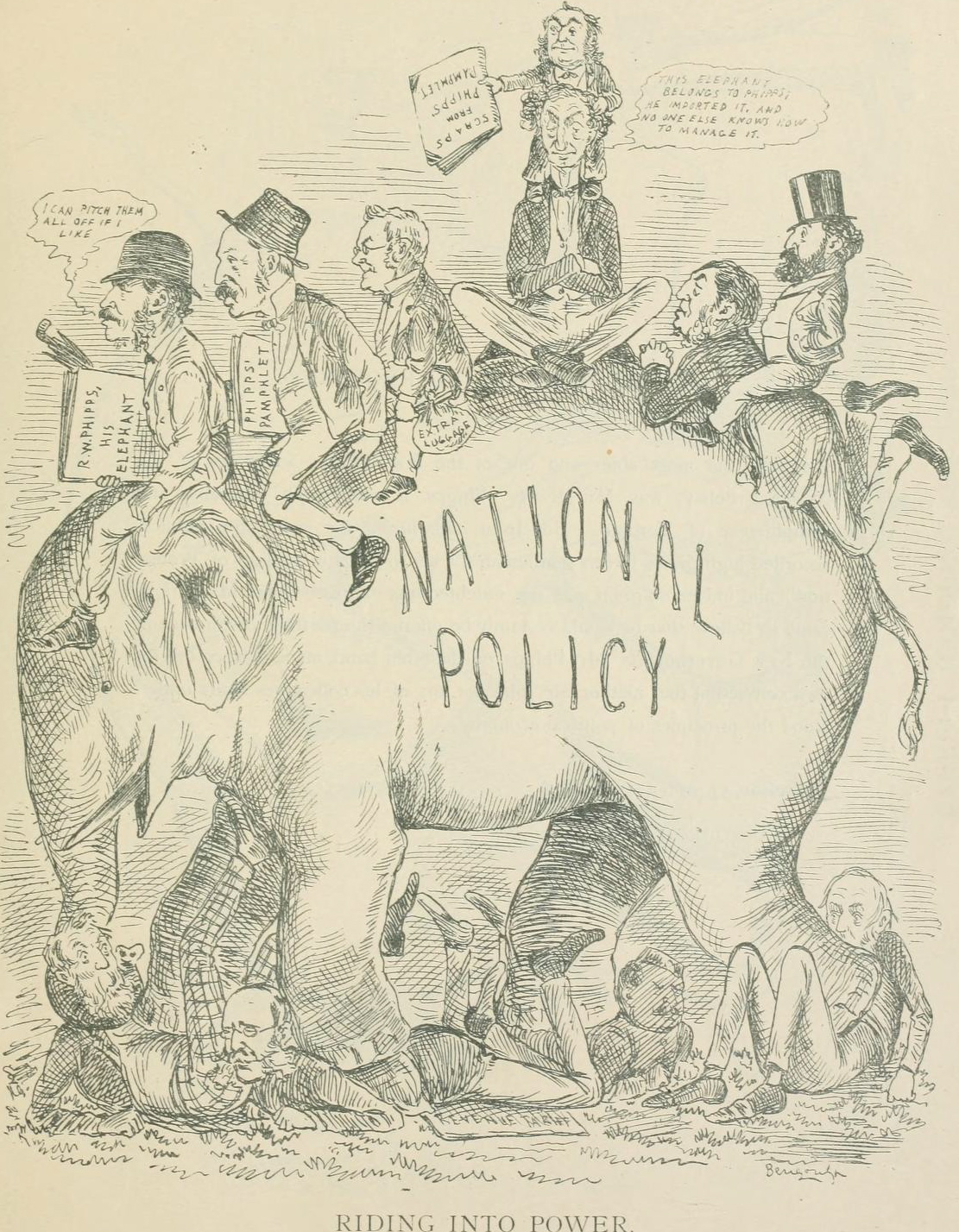
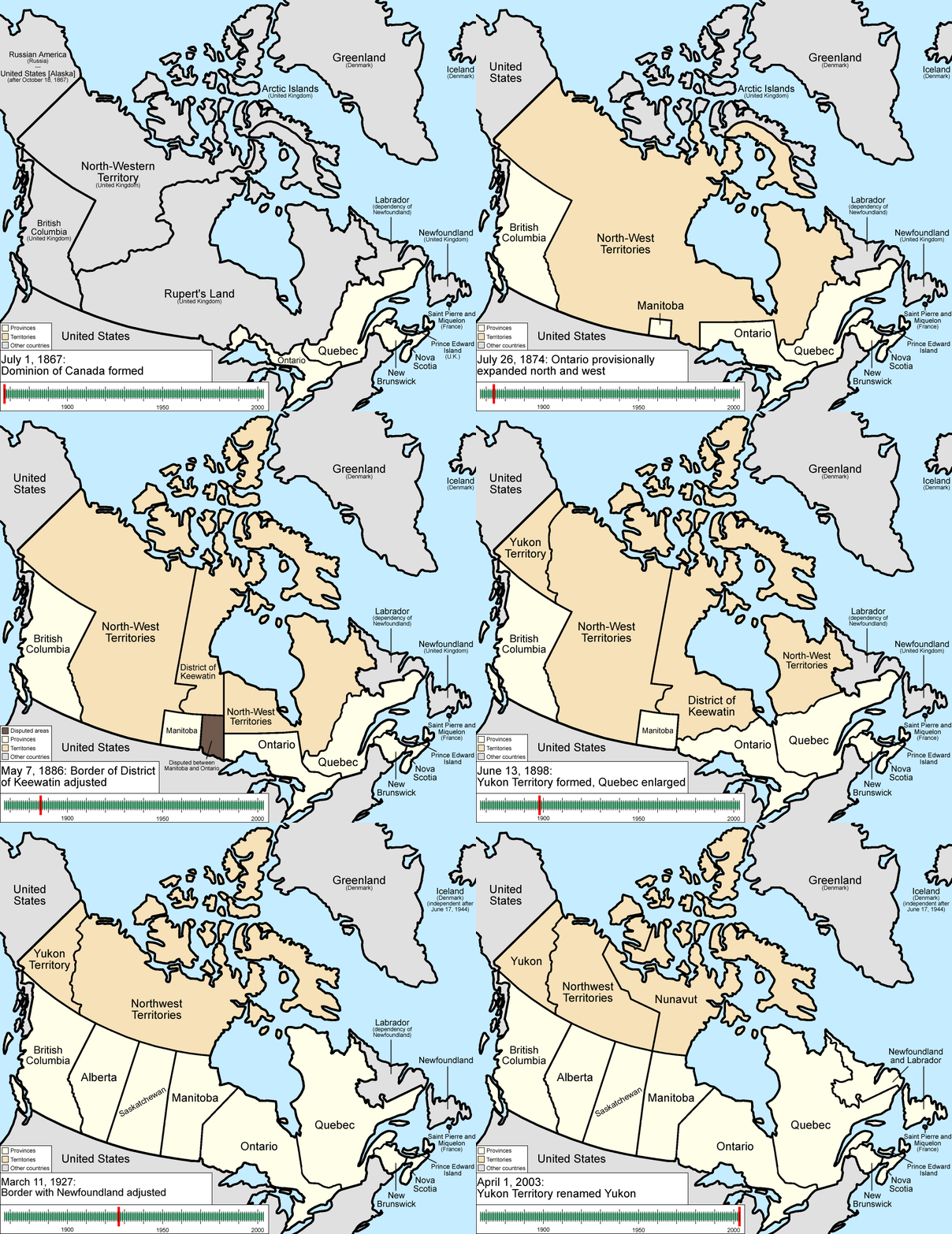
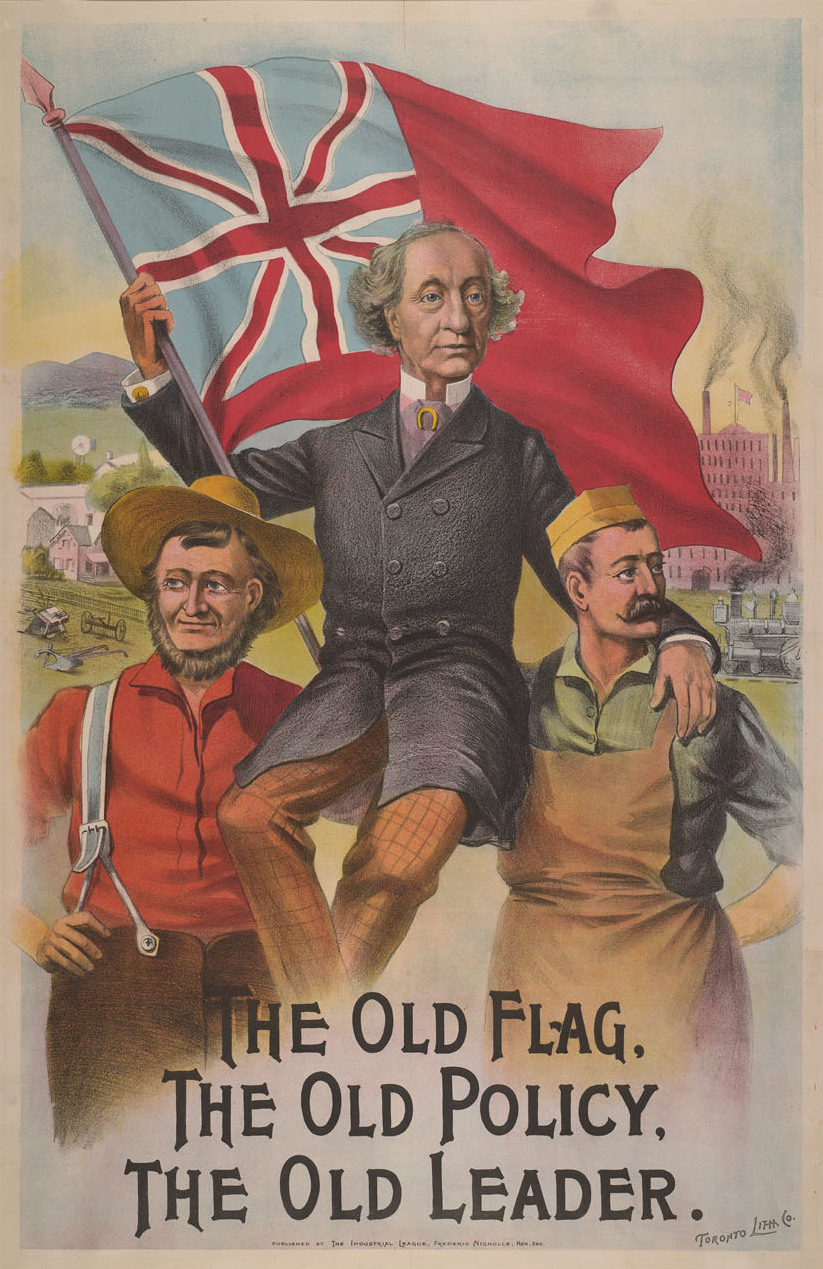
One of Macdonald's most enduring ambitions was to bind the country from sea to sea. He championed the construction of a transcontinental railway (transcontinental) linking the Atlantic Ocean (Atlantic) with the Pacific Ocean (Pacific). The enterprise, pursued with private contractors and federal support, culminated in the completion of the Canadian Pacific Railway (CPR) in 1885 and facilitated settlement, trade and military mobility. His government also promoted a protective tariff framework known as the "National Policy" to encourage industry, and negotiated the entry of new provinces and territories into Confederation.
Policies, governance and notable actions
- Federal consolidation: strengthened central institutions and a national public service.
- Economic strategy: promoted railways, immigration and tariffs to stimulate growth.
- Legal and administrative reforms: guided federal legislation establishing policies for administration of the new country.
- Language and culture: Macdonald himself was less fluent in French (French) than later bilingual leaders; he is known to have spoken Scottish Gaelic (Gaelic) and some Latin (Latin).
Controversies and impact on Indigenous peoples
Macdonald's record includes policies that sought to assimilate Indigenous peoples into European-Canadian society and to bring Indigenous affairs under federal authority. His administration enacted laws and supported institutions that had profoundly damaging effects on Indigenous communities, including steps that contributed to the residential school system and the imposition of the Indian Act framework. These actions and their consequences have become a central part of modern reassessments of his legacy.
Later years, death and legacy
Macdonald remained active in politics until his death in 1891. He is widely remembered for his role in creating a united Canada, for advancing nation-building projects such as the CPR, and for establishing the Conservative party as a dominant force in early federal politics. At the same time, historians and the public continue to debate and critique his record, particularly with respect to Indigenous policy, regional tensions (for example his government's handling of the Riel crises), and allegations of political patronage. Efforts to commemorate, remove, or reinterpret monuments and place names associated with Macdonald reflect ongoing public discussion about how to balance recognition of achievement with acknowledgment of harm.
Across classrooms, museums and public debates, Sir John A. Macdonald remains a complex and influential figure. His leadership helped shape the institutions and geography of Canada, while the longer-term effects of some of his policies continue to shape Canadian society and politics.
Author
AlegsaOnline.com Sir John A. Macdonald: First Prime Minister and Nation-Builder of Canada Leandro Alegsa
URL: https://en.alegsaonline.com/art/140486