
Prime Minister of Canada
The prime minister is Canada's head of government and senior member of Cabinet, leading the executive branch and directing federal policy within conventions of parliamentary democracy.
Overview
The prime minister is the senior elected official who leads the federal government of Canada. By convention and practice the office combines political leadership of the governing party with direction of the executive branch. The holder is commonly described as the nation’s head of government and functions as the chief executive in coordinating national administration, though the formal constitutional head of state remains the sovereign represented by the governor general.
Image gallery
10 Images


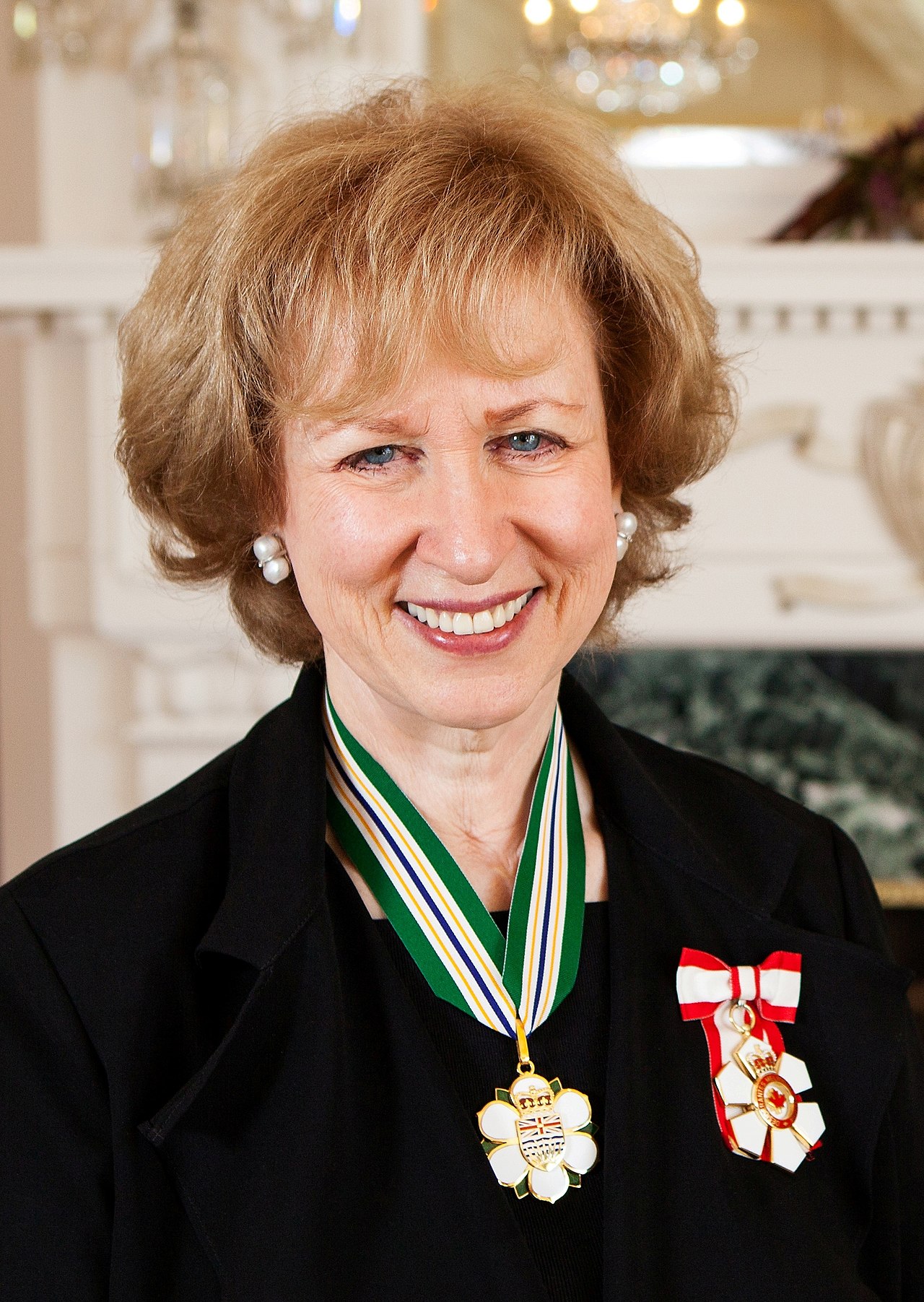
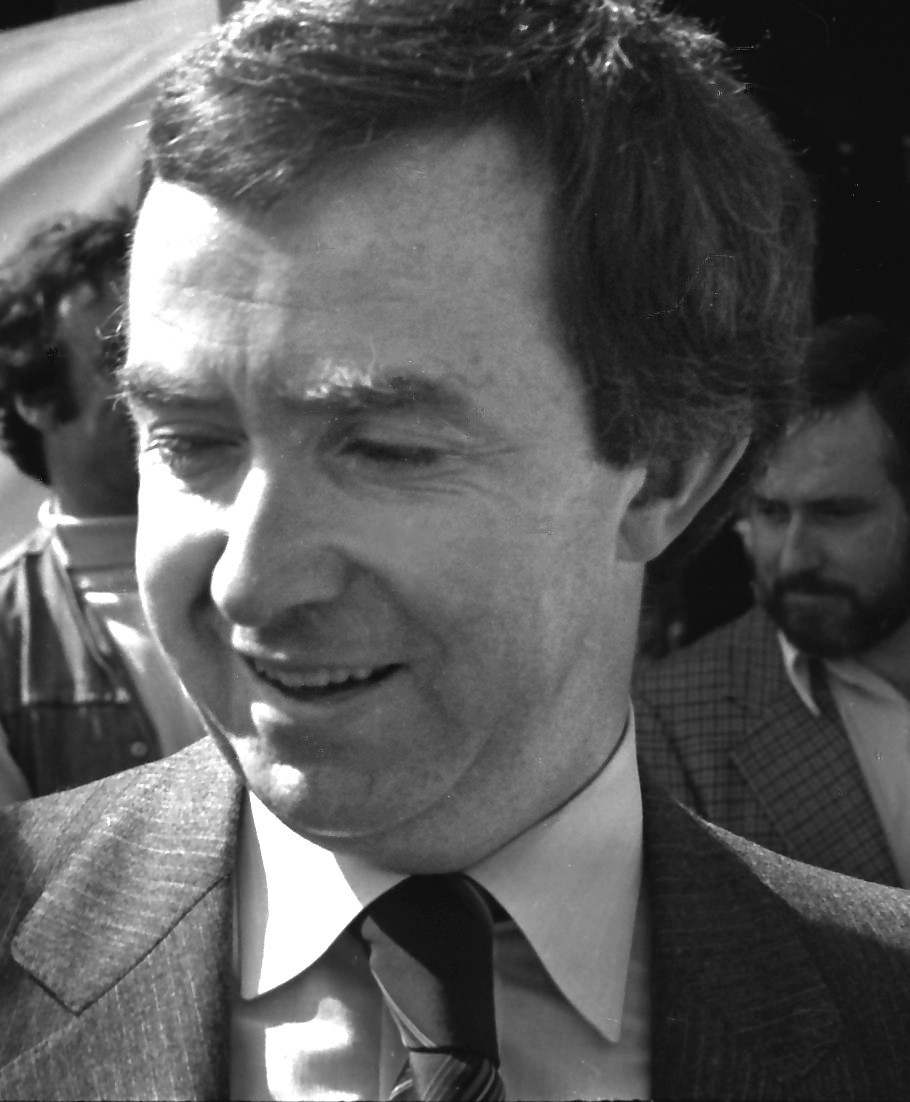


Appointment and political basis
The prime minister is not directly elected to that office by a nationwide popular vote. Instead, the leader of the party that commands the confidence of the House of Commons is invited by the governor general to form a government. Confidence is normally established by holding a majority of seats in the House, but a prime minister can also lead a minority government with the support of other parties or on an arrangement of confidence and supply.
Roles and responsibilities
The officeholder performs a mix of constitutional, political and administrative functions. Major responsibilities include:
- Setting the government's legislative agenda and policy priorities.
- Selecting and dismissing cabinet ministers and chairing cabinet meetings.
- Advising the governor general on prorogation, dissolution of Parliament and appointments.
- Representing Canada in foreign affairs and high-level diplomacy.
Cabinet leadership and the public service
The prime minister heads the federal cabinet (Council of Ministers) and provides political direction to the public service. Much of the day-to-day support is provided by the Prime Minister’s Office (PMO) and by officials in the Privy Council Office, which coordinate implementation of cabinet decisions and communications across departments.
History and constitutional context
The office developed from the traditions of the British parliamentary system and the practice of responsible government established in the 19th century. Over time, conventions—unwritten rules and political norms—have shaped how much authority the prime minister exercises. While statutes and the Constitution Act outline some formal structures, many aspects of the role depend on political practice and precedent.
Notable facts and succession
Prime ministers serve while they retain the confidence of Parliament and the support of their party; there is no fixed term limit. When a prime minister resigns, dies, or loses confidence, the governor general invites another leader who can command the House to form a government, or a general election may be called. For example, Justin Trudeau became the 23rd prime minister in 2015. During transitions the outgoing prime minister typically continues in a caretaker capacity until a successor is appointed.
For further reading on the office’s conventions, duties and history, consult authoritative sources on Canadian constitutional practice and parliamentary government.
Author
AlegsaOnline.com Prime Minister of Canada Leandro Alegsa
URL: https://en.alegsaonline.com/art/128974