
Breakwater: Coastal Structures for Wave Protection and Shoreline Stability
Breakwaters are engineered coastal structures that reduce wave energy, protect harbors and shorelines, and help manage erosion and sedimentation while posing ecological and design trade-offs.
Overview
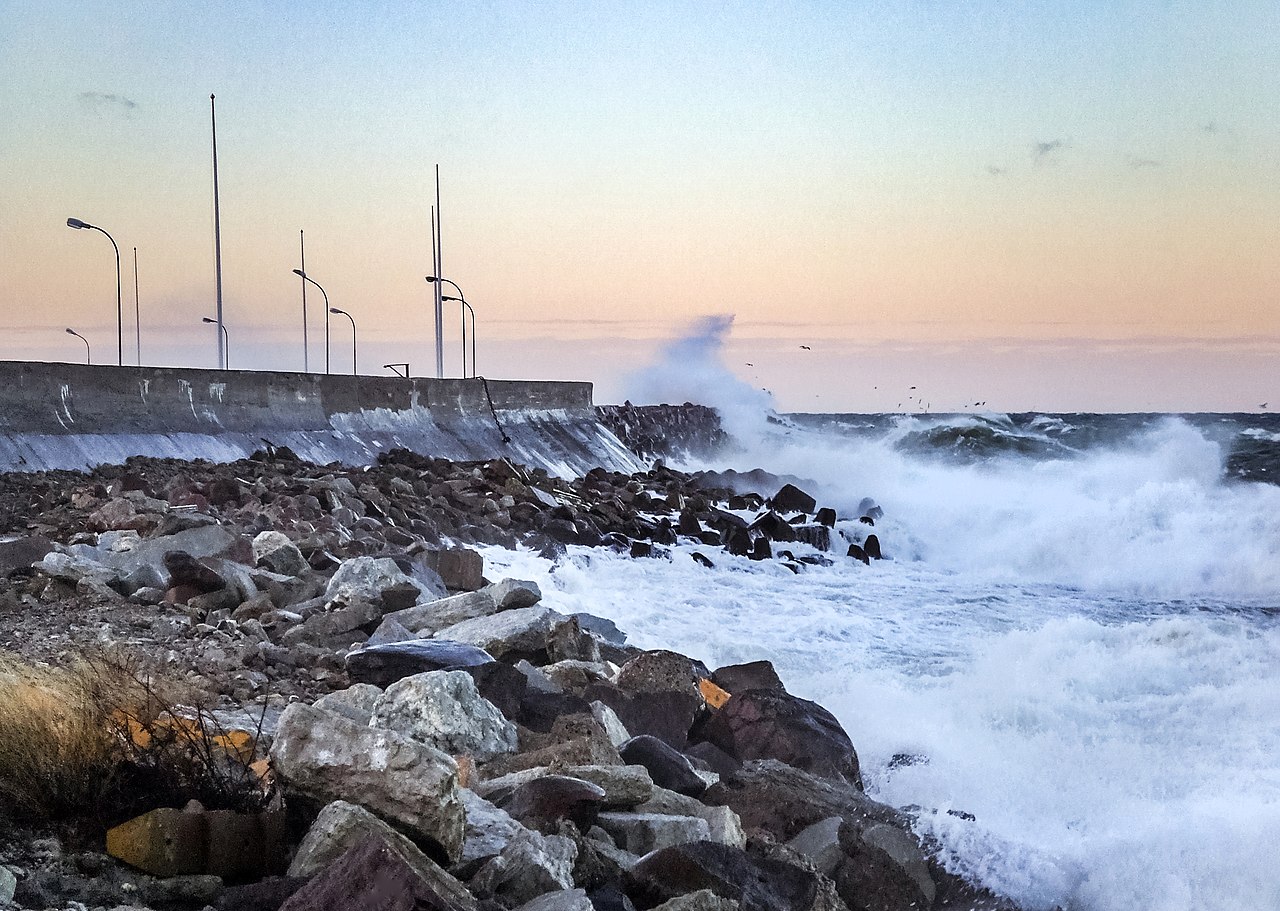
A breakwater is an engineered barrier placed in coastal waters to absorb, reflect, or dissipate wave energy before it reaches a shoreline, harbor, or structure. By reducing wave intensity, breakwaters protect ports, marinas, beaches, and coastal infrastructure from storm damage and ongoing erosion. They are a common element of coastal engineering and are used worldwide where wave action threatens human activities or property.
Image gallery
10 Images




Types and typical components
Breakwaters vary by form and function. Common categories include fixed offshore and nearshore structures, detached or connected shore-parallel walls, and floating breakwaters used in sheltered or temporary situations. Construction materials and forms often include:
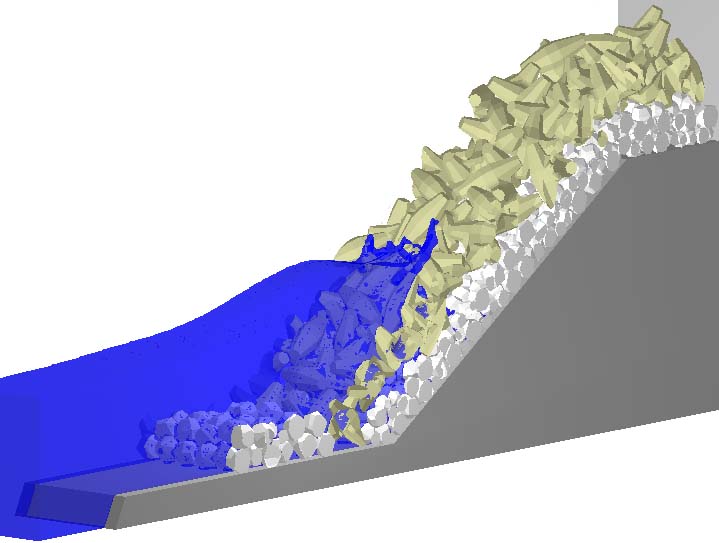
- Rubble mound: loose rock or concrete units layered to create a permeable mass that dissipates waves.
- Caisson or gravity walls: large prefabricated concrete elements that reflect and block waves.
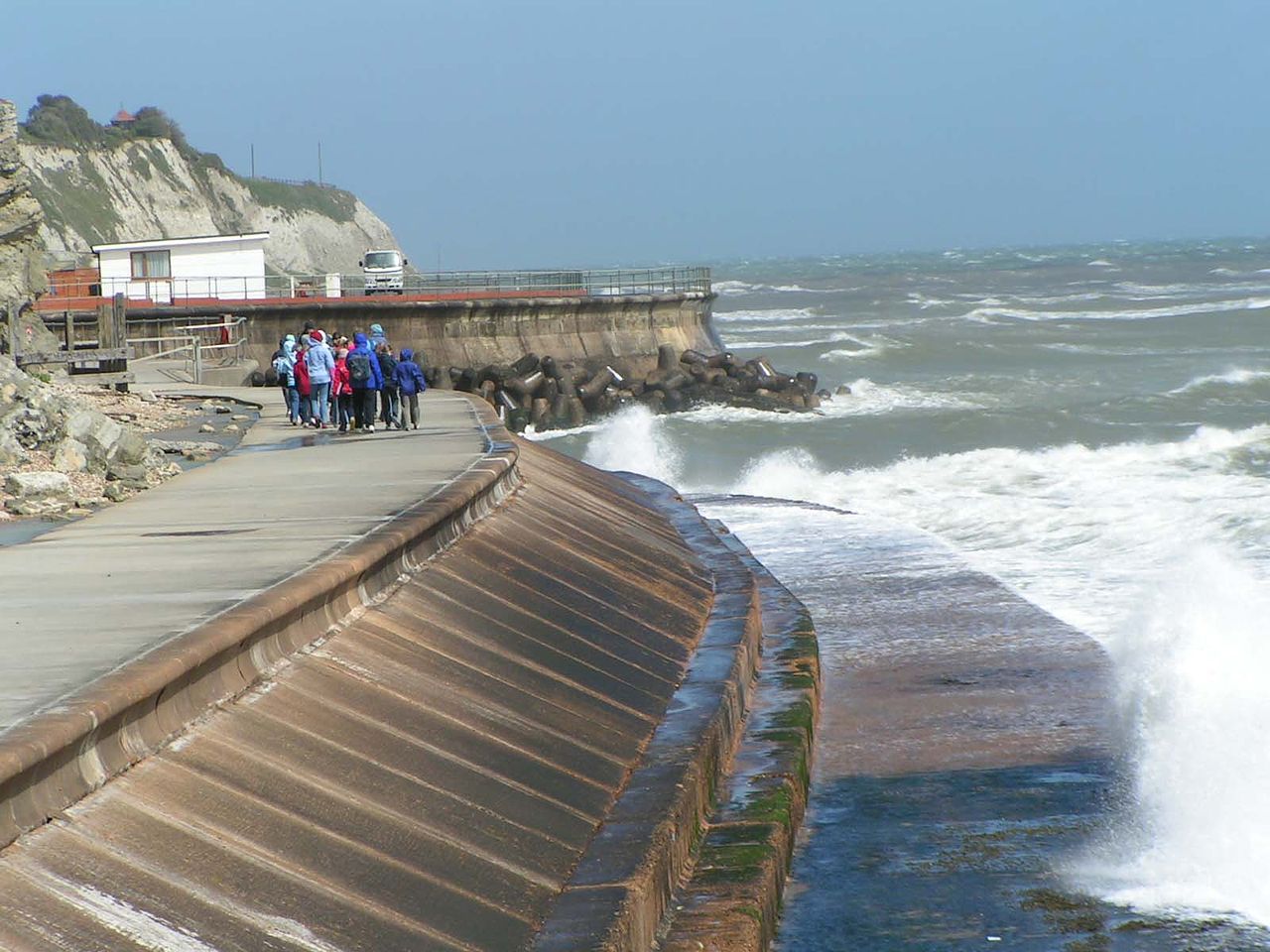
- Revetments and armor units: specially shaped concrete blocks or stones placed to resist movement.
- Floating breakwaters: pontoons or framed structures that attenuate waves where seabed anchoring or deep water makes fixed structures impractical.
Design and engineering considerations
Design of a breakwater balances wave climate, water depth, seabed conditions, and intended use. Engineers consider wave height, period, tidal range, and potential for overtopping. Permeability, slope, and crest elevation determine how much energy is absorbed versus reflected. Proper design also addresses construction logistics, maintenance access, and life‑cycle costs.
History and development
Simple forms of wave barriers have existed for centuries in the form of rubble piles and wooden structures protecting small harbors. Advancements in material science, hydrodynamic modeling, and construction techniques in the 19th and 20th centuries enabled larger, more durable breakwaters and prefabricated armor units. Modern coastal engineering continues to refine designs that are both effective and adaptive to changing sea conditions.
Uses, benefits, and trade-offs
Breakwaters create calmer waters for navigation, reduce shoreline erosion in protected areas, and can promote sediment deposition that builds beaches or sheltered docks. However, they may alter natural sediment transport, change habitats, and shift erosion to downdrift locations. Environmental assessment and monitoring are often required to mitigate unintended impacts.
Practical examples and resources
Breakwaters are found at ports, marinas, and recreational beaches around the world. Design guides and case studies are available for engineers and planners; for general background and technical reference see Breakwater design resources, materials and construction practice at coastal engineering sites, wave and hydrodynamic theory at wave dynamics references, and environmental and erosion control guidance at coastal management resources.
Notable considerations: routine inspection, allowance for sea level and storm changes, and integrating habitat-friendly options where feasible can improve long‑term outcomes.
Related articles
Author
AlegsaOnline.com Breakwater: Coastal Structures for Wave Protection and Shoreline Stability Leandro Alegsa
URL: https://en.alegsaonline.com/art/13845