
Bubble wrap: cushioning film for packaging and stress relief
Bubble wrap is an air-filled plastic cushioning material used to protect fragile items, valued for shock absorption, light weight, and its characteristic popping sound; it has industrial and recreational uses.
Overview
Bubble wrap is a flexible packaging film that contains regularly spaced air pockets. Those pockets act as miniature cushions that absorb shock and reduce pressure on delicate objects during handling, storage, and transport. The product is lightweight yet effective, and its distinctive popping sound when bubbles are compressed has made bubble wrap widely recognized beyond its practical function.
Image gallery
4 Images


Composition and varieties
Most bubble wrap is made from polyethylene, typically low-density polyethylene, formed into two thin layers with trapped air between them. Manufacturers produce a range of bubble diameters and film thicknesses to suit different weights and levels of protection. Specialized grades include anti-static versions for electronic components, high-clarity film for display packaging, and perforated rolls for convenience. For more technical descriptions see material resources.
History and development
Bubble wrap originated in the late 1950s when two inventors experimenting with textured plastics created a film with entrapped air pockets. They later founded a company to market the material for packaging and related uses. Over subsequent decades the basic concept was refined into different sizes and performance grades to meet industrial needs.
Uses and examples
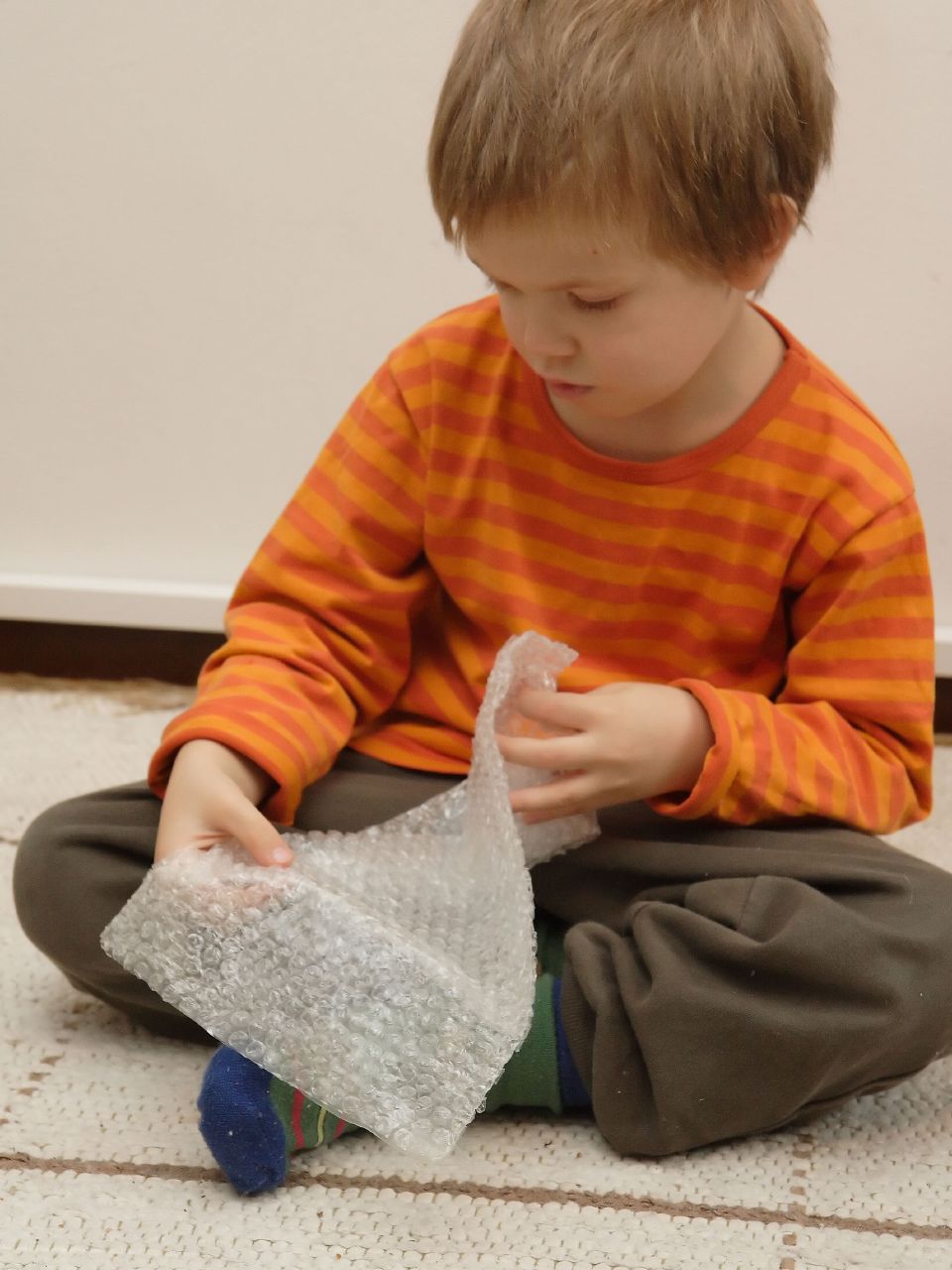
Primary uses are protective packaging for glass, ceramics, electronics, and other fragile goods. Beyond shipping, bubble wrap is used for temporary insulation, padding during moves, craft projects, and even in horticulture to protect plants from frost. Many people also use bubble wrap as a tactile stress reliever: repeatedly compressing bubbles produces a popping sound and sensation that some find calming; see comments on the popping phenomenon and examples of bubble patterns at visual resources.
Environmental considerations and alternatives
Because bubble wrap is a plastic product, waste and recycling are important concerns. Some recycling programs accept flexible polyethylene film if it is clean and returned to designated drop-off centers; curbside recycling often does not accept it. Reusable or biodegradable cushioning materials, corrugated inserts, paper-based packing, and inflatable void-fill are commonly suggested alternatives for reducing plastic use.
Notable distinctions
- Size and strength: Bubble diameters and film gauges determine cushioning performance.
- Specialty films: Anti-static or heat-sealable options exist for sensitive or automated packaging.
- Cultural role: Bubble wrap has a presence in popular culture as both a practical product and a novelty stress reliever.
Overall, bubble wrap remains a simple but versatile invention that balances protection, cost, and convenience, while ongoing developments aim to improve sustainability and tailor performance for specific industries.
Related articles
Author
AlegsaOnline.com Bubble wrap: cushioning film for packaging and stress relief Leandro Alegsa
URL: https://en.alegsaonline.com/art/14978