
Cardboard: material, development, uses, and environmental considerations
Cardboard is a stiff paper-based material widely used for packaging, display, and craft. This article explains its structure, history, common applications, recycling, and notable developments.
Overview
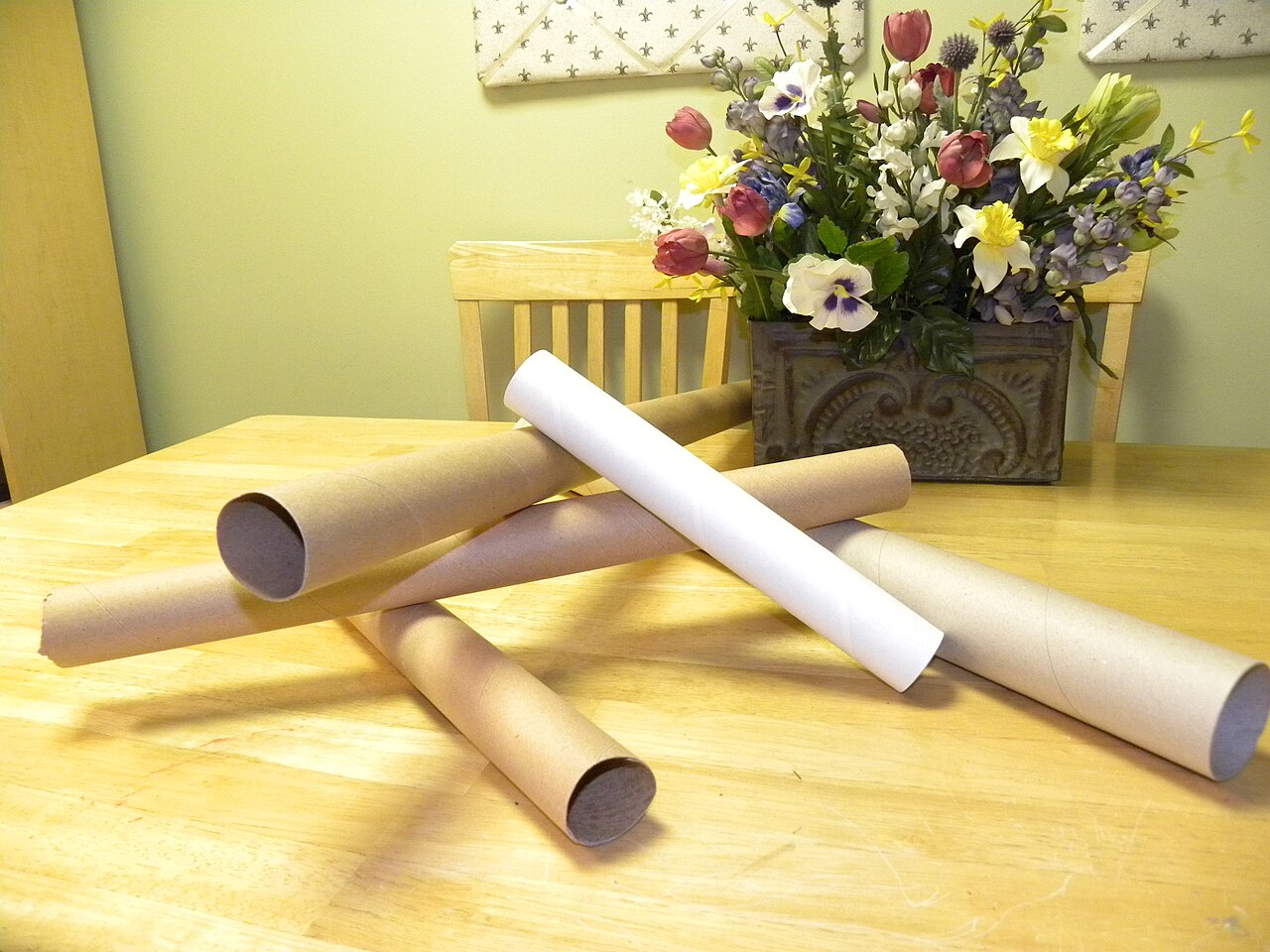
Cardboard is a generic name for heavier, stiffer grades of paper-based material used to make boxes, displays, protective packaging and a wide range of consumer and industrial products. Unlike ordinary paper, cardboard is designed to resist bending and compressive forces, combining fiber layers and surface treatments to achieve durability, printability and sometimes water resistance. Modern cardboard appears in many forms, from simple single-ply sheets used for crafts to multi-ply corrugated board engineered for shipping and storage. For a basic definition and comparisons with other paper products see paper reference sources.
Image gallery
10 Images





Structure and common types
Cardboard is not a single standardized product but a family of materials whose differences depend on fiber content, construction, and finishing. Major categories include:
- Semi-rigid paperboard — one- or few-ply sheets often used for book covers, postcards, and packaging that requires folding and printing.
- Corrugated board — layered construction with an inner fluted (corrugated) medium sandwiched between flat linerboards; engineered for cushioning, stacking strength and impact protection.
- Solid board — thick, multi-ply material used for rigid boxes and point-of-sale displays.
Characteristics that producers manage include grammage (weight per unit area), flute profile in corrugated board (which controls cushioning and compression), surface clay or kraft finishes for printing, and coatings or laminates for moisture or grease resistance.
History and development
Paper and stiff board materials have origins that trace back to early papermaking traditions in East Asia; simple forms of stiffened paper were used for bookbinding and containers centuries ago, with notable early innovations occurring in China and elsewhere in Asia (historical surveys). In Europe, the manufacture of thicker paperboard for rigid boxes began to develop in the 18th and early 19th centuries, and small commercial production of packaging boards appeared in England in the early 1800s (industry histories).
Corrugated or fluted paper was first used for non-packaging purposes mid-19th century and later adapted for shipping. Patents and incremental inventions across the United Kingdom and the United States improved its manufacture and applications: an early patent for pleated paper is documented in England in the 1850s (patent records), and in the United States inventors developed single-sided corrugated wraps for vulnerable glassware and bottles in the late 19th century (patents and inventors). Machinery and the addition of liner sheets led to the corrugated board construction common today. Parallel advances in cutting and creasing techniques made it practical to produce prefolded, mass-produced cartons; a notable innovator in carton production came from Brooklyn and helped popularize prefabricated folding boxes in the late 1800s (manufacturing case studies).
Uses, examples, and importance
Cardboard’s principal role is packaging: corrugated boxes protect goods during transport, single- and multi-ply boards present and protect consumer goods on retail shelves, and rigid boards support displays and signage. The cereal box is a well-known consumer example where a printed outer carton houses an inner food bag; early cereal packagers pioneered branded cartons and associated packaging techniques (product packaging histories). Beyond packaging, cardboard appears in arts and education, temporary structures, furniture prototypes, and as an inexpensive substrate for prototypes and model-making.
Environmental aspects and recycling
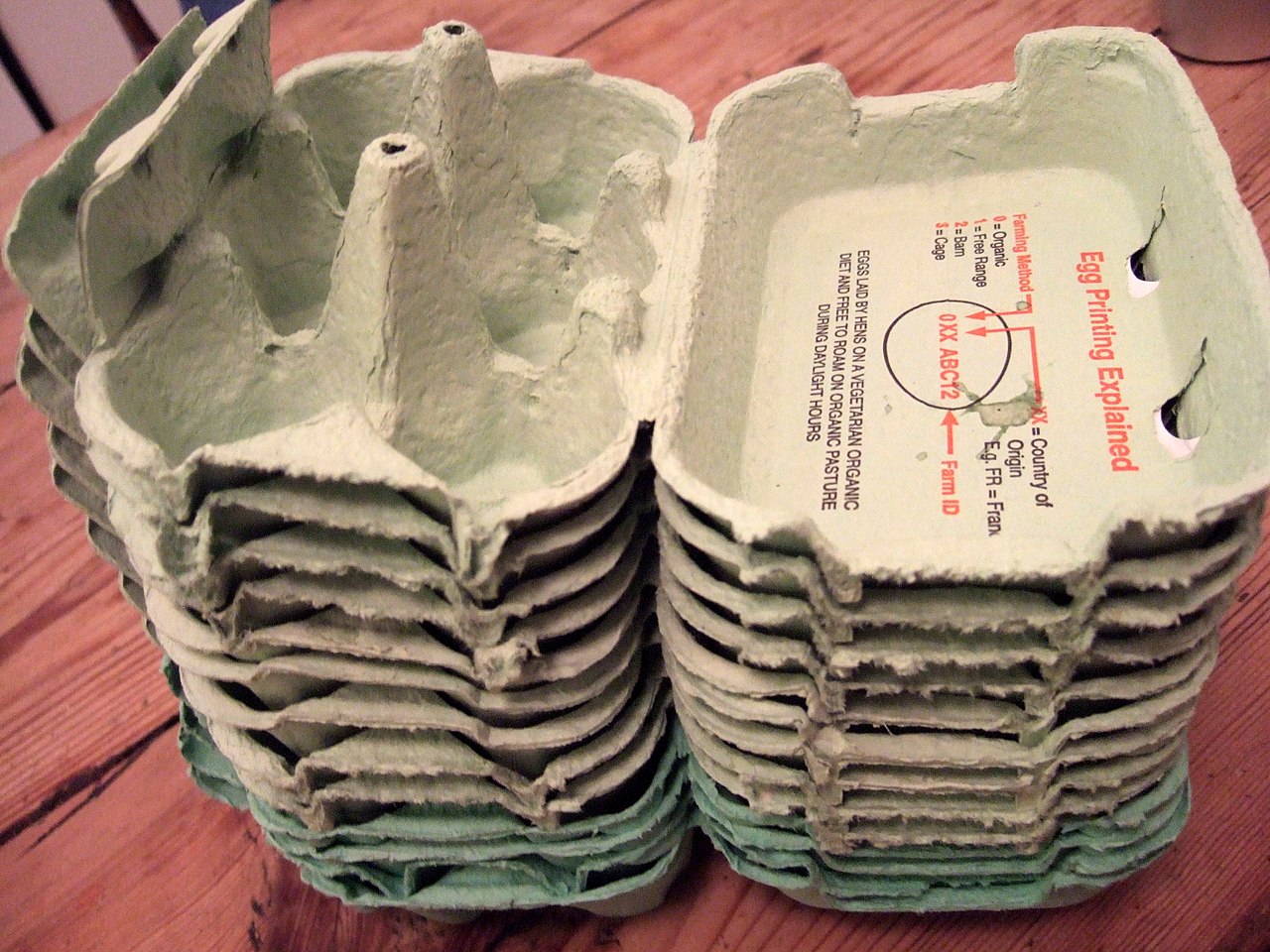
Because cardboard is fiber-based and widely recyclable, it plays a central role in discussions about sustainable packaging. Many manufacturers now use significant proportions of recycled fiber in production and design packaging to be more material-efficient. Recycling systems recover corrugated and paperboard at high rates in many countries; however, contamination with food grease, moisture or certain coatings can reduce recyclability. Efforts to reduce waste also emphasize designing boxes to right-size shipments, reuse packaging where possible, and select uncoated or easily separable liners for easier recycling and composting (environmental resources).
Notable distinctions and practical considerations
When choosing cardboard for a task, important distinctions include tensile and compressive strength, tear resistance, moisture resistance, and printability. Corrugated board grades are chosen based on flute height and liner quality; single-wall, double-wall and triple-wall constructions offer progressively greater load capacity. For consumers and businesses alike, cardboard remains popular because it balances cost, performance and environmental advantages: it is lightweight, easy to convert into shapes, widely recyclable, and effective at protecting goods. For additional technical specifications and supply-chain guidance consult dedicated industry and materials sources (paper references, patent and invention archives, and historical suppliers).
Further reading and resources: technical standards and material datasheets help specify the correct grade for packaging applications; historical overviews trace the transition from early paperboard to modern corrugated systems, while environmental guides describe best practices for recycling and designing for reuse. See materials and industry overviews for more detail (invention records, manufacturing histories, and product examples).
Questions and answers
Q: When was cardboard first invented?
A: Cardboard was first invented in China some time in the 15th century.
Q: What is one of its more common uses?
A: One of the more common uses for cardboard is as a packaging material.
Q: Who patented corrugated paper and when?
A: Corrugated (also called pleated) paper was patented in England in 1856 by Albert Jones of New York City, New York.
Q: Who built the first machine for producing large quantities of corrugated cardboard?
A: The first machine for producing large quantities of corrugated cardboard was built in 1874 by G. Smyth.
Q: How did Robert Gair discover prefabricated cartons?
A: Robert Gair discovered that by cutting and creasing cardboard in one operation he could make prefabricated cartons while printing an order of seed bags and a metal ruler shifted position and cut the bag.
Q: What marked the origin of cereal boxes?
A: The Kellogg brothers' use of cardboard cartons to hold their flaked corn cereal marked the origin of cereal boxes, with a heat-sealed waxed bag wrapped around it outside printed with their brand name.
Q: How has cardboard packaging changed recently due to environmentalism?
A: Cardboard packaging has undergone minor changes recently due to environmentalism, now being manufactured with a large percentage of recycled fibers.
Related articles
Author
AlegsaOnline.com Cardboard: material, development, uses, and environmental considerations Leandro Alegsa
URL: https://en.alegsaonline.com/art/16924