
Archosauromorphs: evolution, traits, and major groups
Archosauromorpha is the reptile clade closer to archosaurs than to lepidosaurs. This article summarizes their defining features, fossil history, major lineages, and current questions in their study.
Overview
Archosauromorpha is a broad clade of diapsid reptiles that groups all taxa more closely related to the archosaurs than to the lepidosaurs. In practice this includes the crown group archosaurs (the lineage that produced crocodilians and birds) and a variety of more basal, often extinct, lineages known from the fossil record. The term is widely used in comparative anatomy and paleontology to organize evolutionary relationships among amniotes.
Image gallery
10 Images




Defining traits
There is no single feature that unites every archosauromorph; rather, researchers diagnose the group by combinations of skeletal characters found in the skull, neck and limb skeleton. Commonly discussed traits include modifications of the ankle bones and limb posture that in some descendants enable more erect gait, elongation and specialization of cervical (neck) vertebrae in many forms, and distinctive cranial characters used in phylogenetic analyses. These characters are evaluated in fossils and in living taxa to infer relationships.
Fossil record and evolution
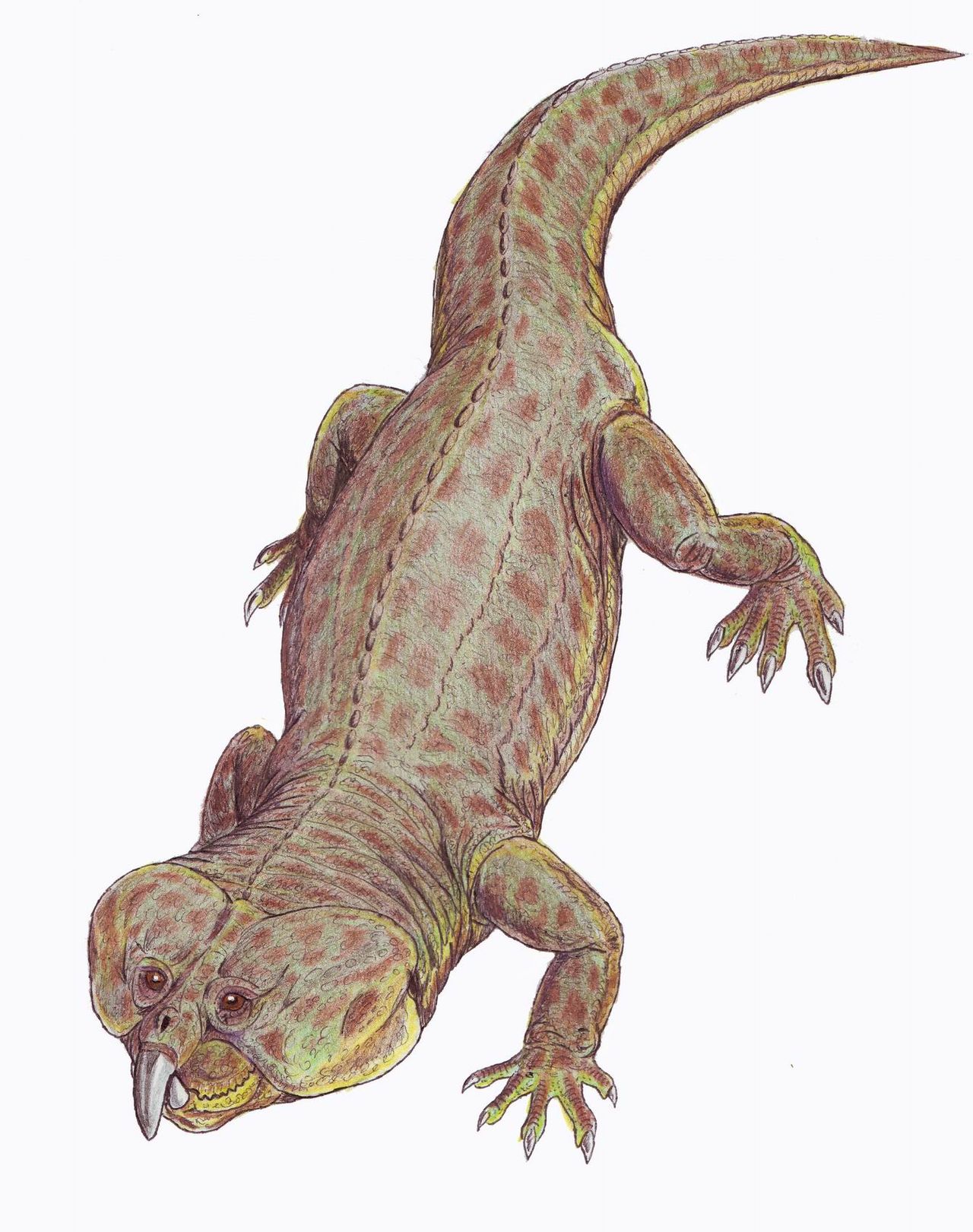
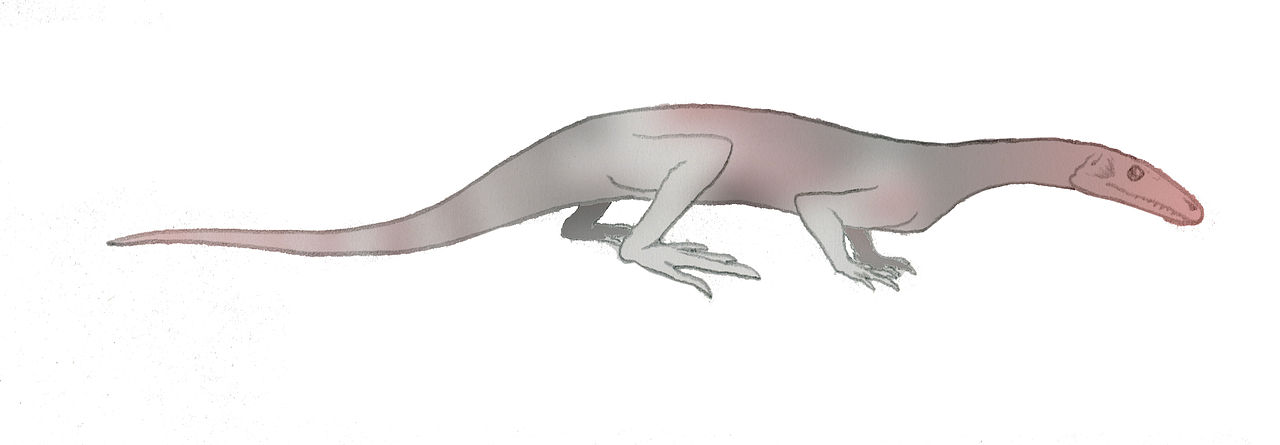
Archosauromorphs appear early in the deep reptile radiation and became especially diverse during the Permian and Triassic intervals. The early Mesozoic (Triassic) saw a major diversification of archosauromorph lineages, including many forms that occupied terrestrial, semi-aquatic and possibly arboreal roles. Among these, the true archosaurs radiated into groups that later gave rise to crocodiles, dinosaurs and ultimately birds. Some well-known early archosauromorphs are known only from fragmentary fossil remains, and ongoing discoveries continue to fill evolutionary gaps.
Major groups and living examples
- Archosaurs: the clade including modern birds and crocodilians, and the extinct diversity of dinosaurs, pterosaurs and other related groups. See more about archosaurs at archosaurs.
- Various stem-archosaur lineages known from Triassic deposits; these forms show mixes of primitive and derived traits and help trace the origin of archosaurian features.
- Living reptile groups placed outside Archosauromorpha include the lepidosaurs — the tuatara, lizards and snakes — often collectively referred to with the umbrella term lepidosaurs.
- Some molecular and morphological studies have explored the possible relationships of turtles with archosauromorphs; the precise position of turtles in the reptile tree has been debated and remains under active study.
Phylogeny, research methods and debates
Paleontologists use comparative anatomy and cladistic methods to reconstruct archosauromorph phylogeny, combining fossil characters with data from living species. New fossil discoveries, more comprehensive datasets, and molecular studies continue to refine hypotheses. Debates include the detailed branching order of early archosauromorphs and the placement of some modern groups when molecular and morphological data conflict.
Importance
Understanding Archosauromorpha is central to reconstructing Mesozoic ecosystems and the evolutionary pathways that led to major vertebrate innovations such as powered flight in birds and specialized semi-aquatic lifestyles in crocodilians. The clade illustrates how a combination of anatomical change and ecological opportunity drove major vertebrate radiations.
For comparisons with the lepidosaur branch and living examples, see references on the tuatara (tuatara), and broader entries on reptiles and dinosaurs for context.
Author
AlegsaOnline.com Archosauromorphs: evolution, traits, and major groups Leandro Alegsa
URL: https://en.alegsaonline.com/art/134600