
2020 Democratic National Convention
The four-day event in August 2020 that formally nominated Joe Biden and Kamala Harris; notable for its largely virtual format, pandemic adjustments, and historic VP nomination.
Overview
The presidential nominating convention of the United States Democratic Party was held August 17–20, 2020 and was officially based at the Wisconsin Center in Milwaukee, Wisconsin. Delegates and party officials completed the formal business of the party, culminating in the nomination of Joe Biden for president and Kamala Harris for vice president in the 2020 United States presidential election. The convention combined ceremonial elements, policy messaging and procedural actions used to unite the party behind its ticket.

Image gallery
2 Images
Planning and format
The event was originally scheduled for July 13–16 at the Fiserv Forum but was postponed and reconfigured because of the coronavirus pandemic. Organizers adopted a hybrid format: production and the official gaveling were centered in Milwaukee while most speeches and many presentations were pre-recorded or delivered remotely from diverse locations across the country. Party leadership, including a convention chief executive, managed logistics, broadcast production and health protocols as they adapted the traditional convention model to public-health constraints.
Delegates and nomination process
State and territorial delegations participated in the party’s formal processes, including credentialing, platform discussion and the roll call vote that confirmed the presidential nomination. The roll call and other procedural steps were modified to accommodate remote participation in many delegations. The convention also included the formal acceptance speech by the nominee and the vice-presidential address, which are customary closing elements of the nominating process.
Speakers and themes
The program featured current and former elected officials, party activists, community leaders and public figures. Every living former Democratic president addressed the convention: Jimmy Carter, Bill Clinton and Barack Obama. Prominent 2020 primary candidates and other national figures appeared as well, including Hillary Clinton and Bernie Sanders. The event deliberately included voices intended to appeal beyond the party base; one notable outside-party speaker was former Ohio governor John Kasich, who spoke in support of the ticket. Speeches emphasized themes such as national unity, the public-health response to the pandemic, racial justice, economic recovery and democratic norms.
Production and media
Because much of the convention was televised and streamed, production values, editing and the sequencing of prerecorded pieces played a larger role than in a traditional live-only convention. The hybrid approach aimed to retain the ritual elements of a national convention while prioritizing safety and reach: households around the country could view the program as broadcast specials and online streams. The altered format also generated discussion about the future of political conventions in a media environment where staged video content and virtual appearances can be highly polished and widely distributed.
Local impact and logistics
Milwaukee retained the role of official host city, and local organizers worked with state and municipal authorities on venue use, limited in-person attendance and public-health measures. The change in venue from the Fiserv Forum to the Wisconsin Center reflected adjustments to size and technical needs for broadcast production. Organizers also coordinated with local law enforcement and public-health agencies to plan for demonstrations, security and crowd management under pandemic-era conditions.
Significance and legacy
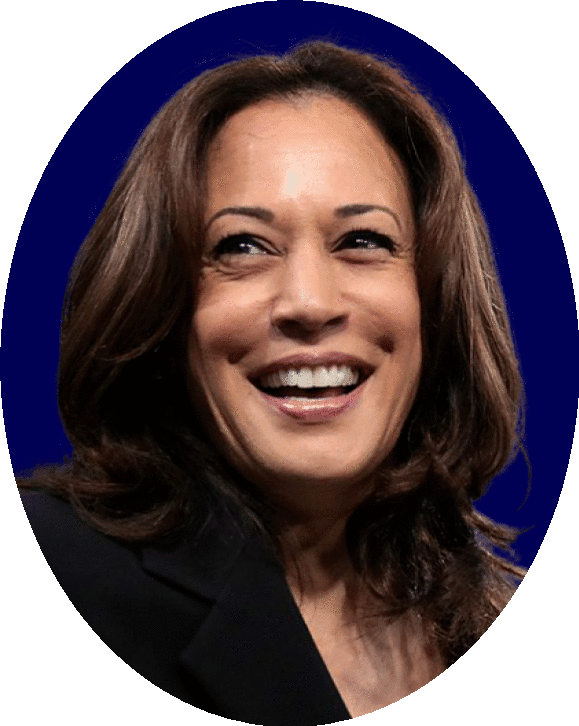
The convention is often remembered for its largely virtual character and as the occasion when the Democratic Party formally nominated its ticket with Kamala Harris as the vice-presidential nominee— the first woman, and the first person who is Black and South Asian, to be nominated for vice president by a major U.S. party. Observers have cited the 2020 convention as a case study in emergency planning for large political events and in the shifting balance between in-person political ritual and mediated presentation. It also served the traditional purposes of party conventions: nominating candidates, articulating policy priorities and presenting a message to general-election voters.
Aftermath
Following the convention, campaign messaging moved into the general-election phase. Analysts and political scientists assessed the convention’s impact in terms of voter mobilization, public perception and media reach, comparing viewership and online engagement to previous conventions and to the subsequent campaign events of the fall. The 2020 convention influenced how parties and campaigns consider remote participation, broadcast production and contingency planning for future events.
Further information
- Official host city and site: Milwaukee and the Wisconsin Center.
- Party: Democratic Party of the United States.
- Notable speakers included: Jimmy Carter, Bill Clinton, Barack Obama, Hillary Clinton, Bernie Sanders, and John Kasich.
- Nominees: Joe Biden and Kamala Harris.
For researchers and readers seeking detailed procedural documents, delegate rules and a complete list of speakers and schedules, consult official party releases and contemporary reporting produced at the time of the convention. The 2020 Democratic National Convention remains a notable example of how major-party political rituals adapted to an extraordinary public-health environment while fulfilling constitutional and party responsibilities in the run-up to the 2020 United States presidential election.
Author
AlegsaOnline.com 2020 Democratic National Convention Leandro Alegsa
URL: https://en.alegsaonline.com/art/133777