
United States presidential nominating convention
A four-year gathering where U.S. political parties formally select their presidential and vice-presidential nominees, adopt a platform, set rules and unite delegates and activists ahead of the general election.
Overview
In the United States, a presidential nominating convention is a party-organized event held every four years in the summer before a presidential election. Each major political party assembles elected and chosen delegates to complete the formal steps of selecting a ticket and establishing the party's goals for the coming campaign.
Image gallery
10 Images


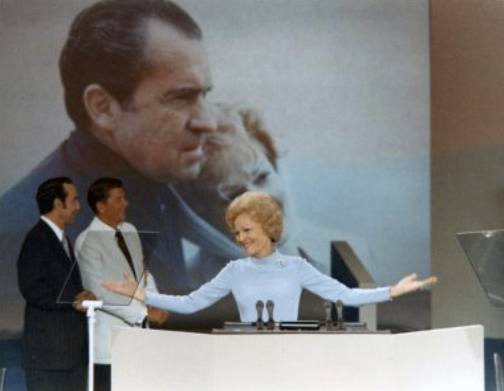
How conventions work
Delegates—individuals empowered to vote for a candidate—arrive having been selected through state contests, including primaries, caucuses and state conventions. Many delegates are "pledged" to particular candidates for at least the first ballot; others are automatic or unpledged based on party rules. During the convention, the delegates vote to nominate a candidate for president and one for vice president, approve a platform, and adopt rules governing party procedures.
Typical agenda and parts of the event
- Credentials and rules committees decide who may vote and under what procedures.
- Platform committee drafts and proposes the party's policy statement.
- Roll-call votes among delegates formally nominate the ticket.
- Keynote and acceptance speeches provide the party's chief public messages.
History and development
Conventions originated in the 19th century as the primary method for choosing national candidates in closed meetings sometimes described as "smoke-filled rooms." Over time, especially after the late 20th century, reforms increased the role of state primaries and caucuses in selecting delegates. High-profile conventions with contested outcomes and influential public reactions have shaped reforms and the evolving balance between grassroots selection and party leadership control.
Purpose, significance and examples
Beyond the formal nomination, conventions serve multiple purposes: they rally activists, introduce party messages to a national audience, showcase rising leaders, and provide a platform for the eventual nominee's acceptance speech. While most modern nominations are decided by the primary calendar, the convention remains the constitutional and party-law mechanism that finalizes the ticket and can, in rare circumstances, resolve an undecided or brokered contest.
Notable distinctions and procedural notes
Rules differ between parties and over time. Some parties maintain automatic delegates or party leaders with special status; others limit such roles. The balance between pledged delegates chosen by voters and party-controlled delegates affects how closely conventions reflect primary outcomes. For further context on delegate selection and primary reforms, see references on delegate procedures and party rules at delegate selection and primary elections.
Author
AlegsaOnline.com United States presidential nominating convention Leandro Alegsa
URL: https://en.alegsaonline.com/art/147107
Sources
- usa.gov : "Presidential Election Process | USAGov"
- theatlantic.com : "Here's What Actually Happens at the U.S. Presidential Conventions"