
Yolk — the egg's nutrient-rich core: structure, uses, and significance
The yolk is the nutrient-containing center of an egg. This article explains its structure, composition, role in development, culinary uses, health considerations, and common variations.
The yolk is the colored, nutrient-rich core found in animal eggs. In bird eggs the yolk is essentially the ovum or egg cell — a single very large cell that supplies food for a developing embryo. Beyond its biological role, yolk is widely recognized in cooking and food science for its flavor, texture and functional properties. For basic egg anatomy and common culinary uses see resources on eggs and cooking (eggs, oocyte).
Image gallery
8 Images


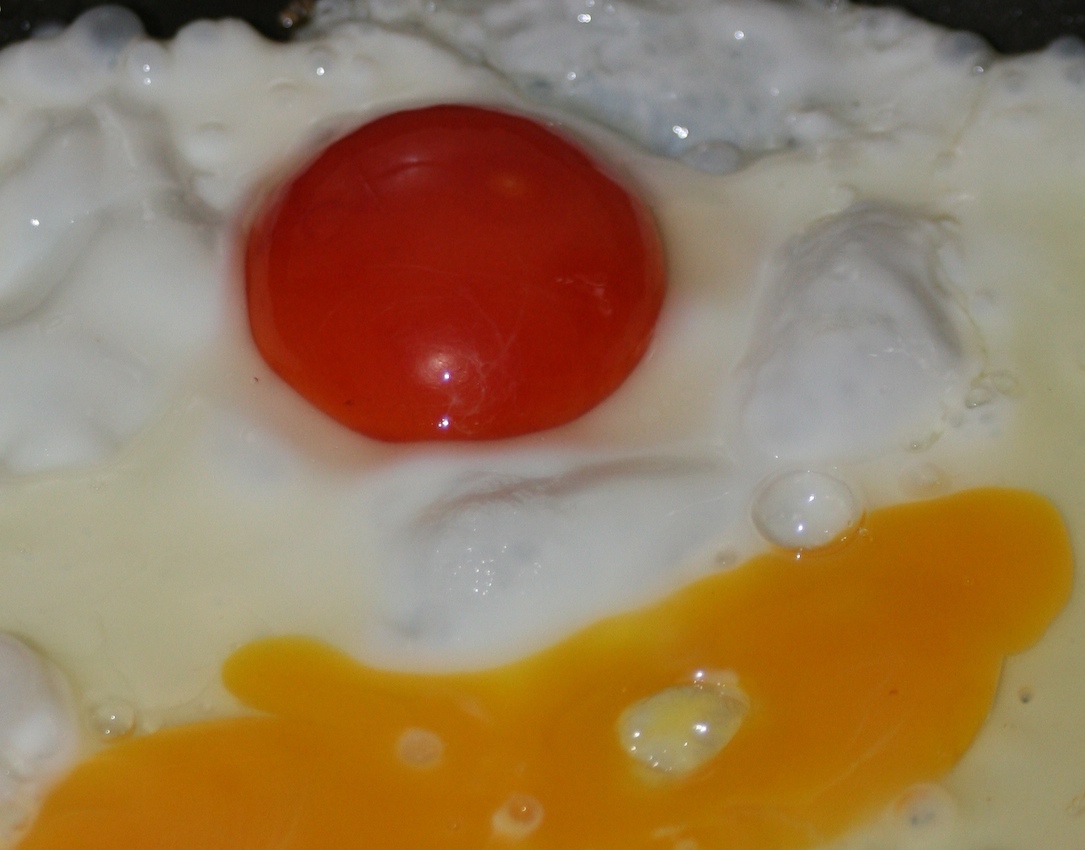


Composition and structure
The yolk contains most of an egg's fat, many of its calories, and concentrated vitamins and minerals. Key components include triglyceride fats, phospholipids (notably lecithin), cholesterol, fat-soluble vitamins such as A, D, E and K, and pigments like carotenoids that color the yolk. Proteins are present as well, and the yolk's membranes separate it from the surrounding albumen (white). These properties make the yolk both a biological nutrient reserve and a versatile ingredient in food preparation.
Role in development
In fertilized eggs the yolk provides the energy and building blocks required for embryonic growth until the young can feed independently. The yolk sac transports nutrients to the developing embryo. Species vary widely: egg size, yolk proportion and composition reflect different reproductive strategies and developmental rates. For further background on reproductive biology see developmental biology.
Culinary and practical uses
Yolks are central to many recipes because of their emulsifying and thickening abilities. They are used to make sauces (for example, mayonnaise and hollandaise), custards, ice creams, and rich baked goods. Simple domestic preparations—fried, poached, soft-boiled or mixed into scrambled eggs—also showcase their texture and flavor. The yolk's lecithin stabilizes emulsions, which is why egg yolks are important in food science and commercial formulations (cooking techniques, food chemistry).
- Common culinary uses: sauces, custards, emulsions, baked goods.
- Functional roles: emulsifier, thickener, colorant.
Health, variation and notable facts
Yolks are higher in calories and fat than egg whites and contain dietary cholesterol, which led to historical dietary caution. Modern nutritional guidance often emphasizes overall diet patterns rather than single foods; yolks also supply important nutrients such as choline and lutein. Yolk color ranges from pale yellow to deep orange depending mainly on the bird's diet (carotenoids). Occasionally eggs contain two yolks — a harmless occurrence when two ova are released together. For more on nutrition and safety see dietary resources and food safety guides.
In addition to food, yolks have been used in traditional crafts (egg tempera painting) and remain a subject of study in developmental biology and food science. Their combination of biological importance and culinary versatility makes the yolk a distinctive and widely used part of the egg.
Author
AlegsaOnline.com Yolk — the egg's nutrient-rich core: structure, uses, and significance Leandro Alegsa
URL: https://en.alegsaonline.com/art/133190