
Fried egg: preparation, varieties, nutrition and culinary uses
A fried egg is an egg cooked in hot fat until the white sets and the yolk is left runny or firm; this article explains methods, common styles, culinary uses, safety and how it differs from other egg preparations.
Overview
A fried egg is an individual egg cooked directly in a hot pan with a small amount of fat (oil, butter, or fat rendered from meat) until the white (albumen) coagulates and the yolk reaches the desired consistency. It is one of the simplest and most widely prepared egg dishes in global home and restaurant kitchens. The basic appeal of a fried egg is the contrast between the tender white and the creamy or firm yolk, which can be seasoned and combined with many other ingredients.
Image gallery
10 Images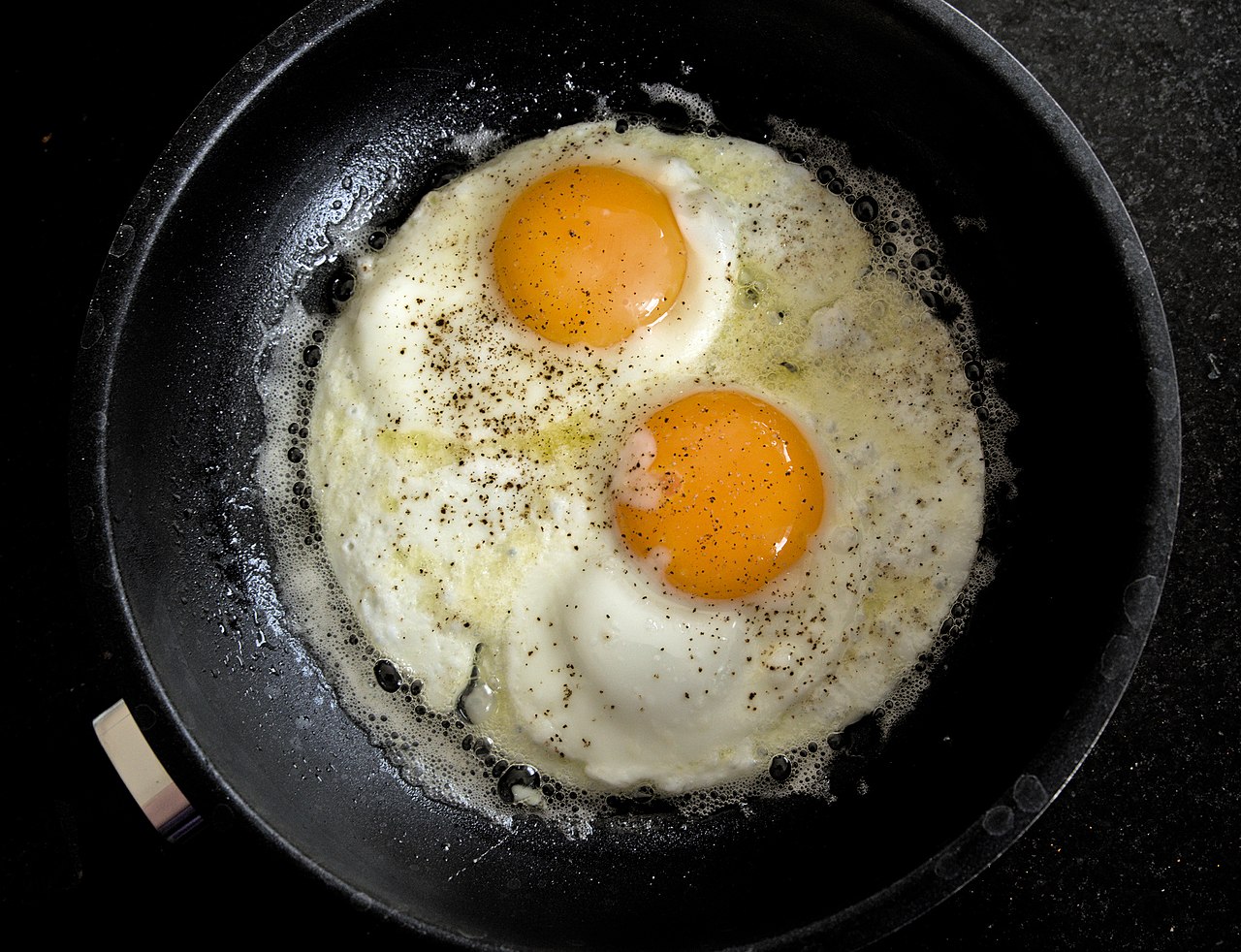


Characteristics and parts
When fried, an egg presents two distinct parts: the white, which becomes opaque and sets into a tender yet slightly firm sheet, and the yolk, which can remain runny, be partially set, or be fully firm according to cooking time and technique. Surface texture and flavor are influenced by the cooking fat, heat level, pan type and whether the cook bastes the egg with hot fat or covers the pan to trap steam.
Preparation and common variations
Basic preparation requires cracking an egg into a preheated pan with a thin coating of fat. Techniques vary: gentle low heat yields a tender white and a runny yolk; higher heat crisps edges. Cooks may flip the egg briefly to form an "over" variety, or leave it unflipped as "sunny-side up." Basting with hot fat or using a lid cooks the top more evenly without flipping.
- Sunny-side up — cooked on one side only, yolk exposed and typically runny.
- Over-easy/over-medium/over-hard — flipped once; yolk doneness ranges from very runny to fully firm.
- Basted — hot fat or steam is spooned over the white to set the surface while preserving a soft yolk.
- Deep-fried or pan-fried variations — more vigorous methods that change texture and presentation.
History and culinary uses
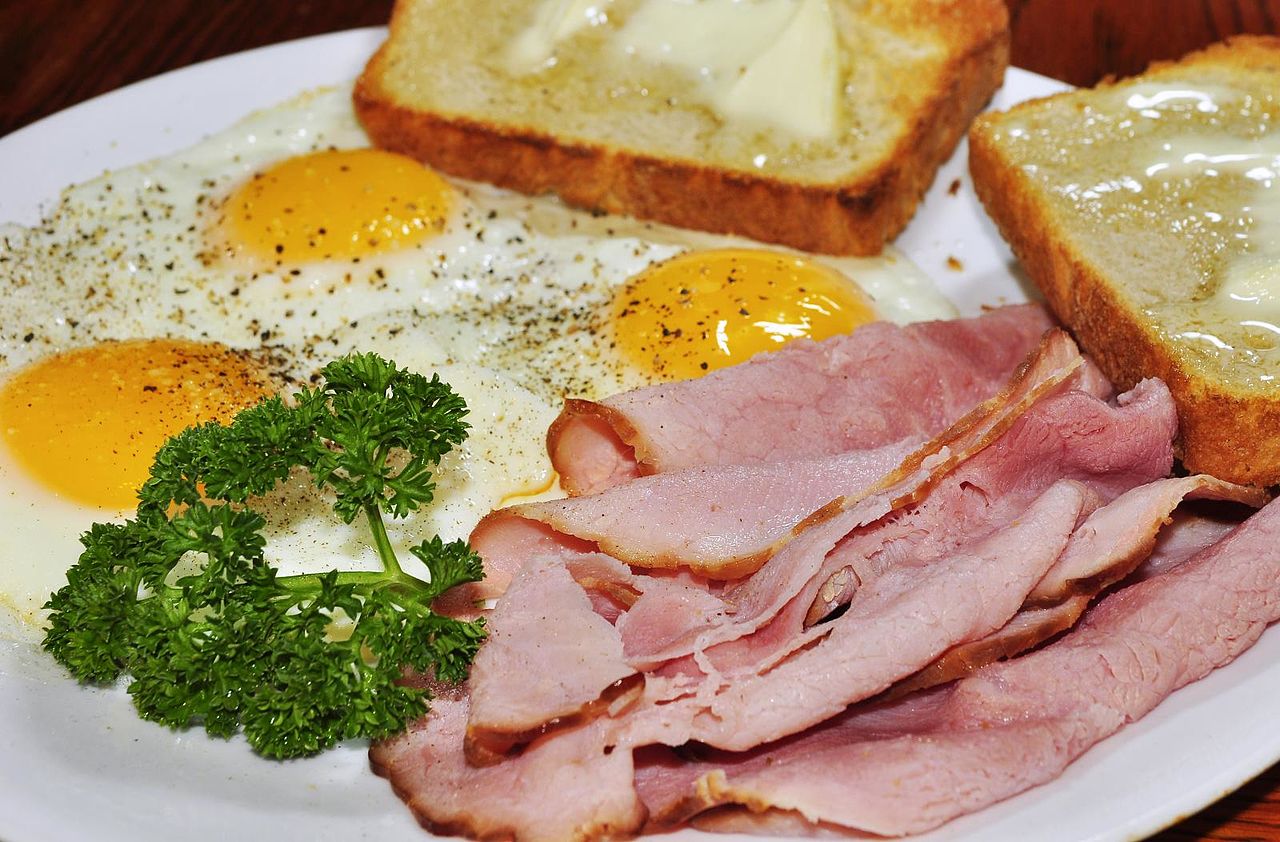
Eggs have been fried for centuries wherever domesticated fowl were kept; frying is a quick, fuel-efficient method suited to individual portions. Fried eggs are a staple of breakfasts and light meals in many cuisines. They appear on toast and sandwiches, top rice and noodle dishes, and are included in regional specialties such as breakfast plates, tacos, and bowls where a runny yolk enriches other ingredients. Professional kitchens also use fried eggs to finish dishes because the yolk acts as a rich sauce when broken.
Nutrition, safety and distinctions
Fried eggs are a concentrated source of high-quality protein, essential vitamins and fats. Nutritional content depends on cooking fat and portion size; moderate consumption is common in balanced diets. Food-safety considerations include the risk of bacterial contamination in raw or undercooked eggs; vulnerable people (young children, older adults, pregnant people, and immunocompromised individuals) are often advised to choose fully cooked yolks. Fried eggs differ from poached, boiled, scrambled or omelette preparations primarily by cooking method and the resulting texture and presentation.
For more detailed descriptions of egg anatomy, cooking science and technique options, see resources on frying techniques and general egg preparation guides.
Related articles
Author
AlegsaOnline.com Fried egg: preparation, varieties, nutrition and culinary uses Leandro Alegsa
URL: https://en.alegsaonline.com/art/36711