
Wojciech Kilar — Polish Composer of Film and Concert Music
Wojciech Kilar (1932–2013) was a leading Polish composer whose output spanned concert music and celebrated film scores, noted for powerful orchestration and collaborations with major European directors.
Overview
Wojciech Kilar was a prominent Polish composer whose career bridged the worlds of concert music and cinema. He is widely remembered for his dramatic orchestral voice and for composing music used in major international films. Kilar combined modern classical techniques with elements drawn from Polish folk tradition and liturgical sources to create works that are at once austere and emotionally direct. His reputation rests on both standalone orchestral pieces and film scores that reached global audiences. For a profile of his life and work see biographical summary and for an overview of his contributions to cinema see filmography and credits.
Image gallery
4 Images

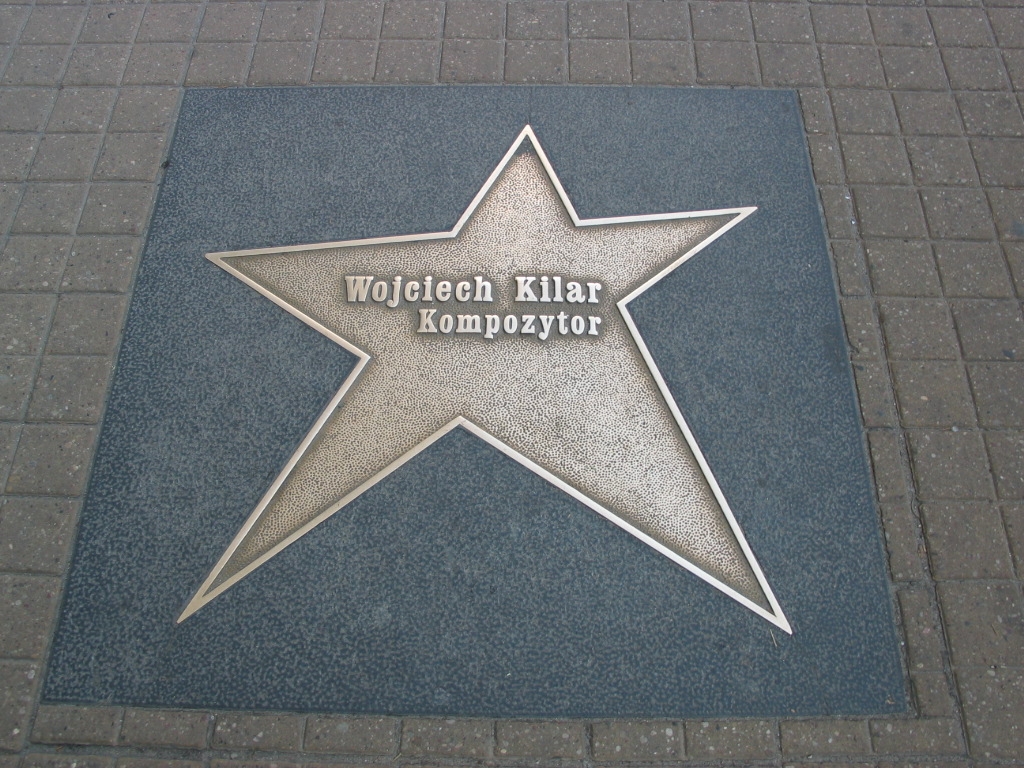

Early life and education
Born on 17 July 1932 in Lwów (then part of Poland, now Lviv in Ukraine), Kilar trained in composition and piano before establishing himself in Poland's postwar musical life. His studies prepared him for both academic concert pieces and the practical demands of writing for stage and screen. Over the course of more than fifty years he developed a distinct musical language and became one of Poland's best-known composers internationally.
Musical style and concert works
Kilar's concert music often emphasizes strong rhythmic drive, sonorous orchestration, and modal or folk-inspired melodic fragments. Several of his orchestral works evoke the Tatra highlands and regional dances, using brass, percussion and strings to create a sense of elemental energy. Notable concert pieces frequently performed and recorded include:
- Krzesany — an orchestral showpiece inspired by highland dances
- Orawa — a lively, folk-inflected orchestral miniature
- Large-scale works blending choral, organ and orchestral forces
Film career and notable scores
Kilar became especially visible to international audiences through film work. His most famous film score is the music for Bram Stoker's Dracula, which brought his dramatic orchestral palette to a worldwide box-office audience. He also contributed music associated with films such as The Pianist and created scores for important Polish films like Andrzej Wajda's Promised Land and later adaptations of national literature. He was even commissioned to provide trailer music for international releases, including a piece used with Schindler's List promotional material and other cinema projects (trailer credit).
Awards, recognition and public commissions
During his long career Kilar received many national and international honors: state decorations, festival prizes and honorary degrees. He also wrote music for public and religious occasions; some of his works were created for events connected to the papacy and cultural festivals (papal commissions and festivals). In 1991 filmmaker Krzysztof Zanussi made a documentary film about his life titled Wojciech Kilar, which helped introduce his artistic personality to a wider public.
Personal life and legacy
Kilar was married to Barbara Pomianowska from April 1966 until her death in 2007. He continued composing and supervising performances into his later years. He died in Katowice on 29 December 2013 after a long illness reported as brain cancer, leaving a legacy of distinctive concert works and memorable film music. His scores remain in circulation both in recordings and in film re-releases, and his concert pieces continue to appear on programs internationally. For details about his final years and place of passing see regional notices from Katowice sources.
Selected recordings, film titles and further reading can be found through archival and music publisher listings; a compact introduction to his output is available via online catalogues and dedicated composer profiles listed above (more, film credits, Dracula, The Pianist, birthplace, present-day Lviv, Schindler's List trailer, promotional music, papal festival, Zanussi film, Katowice report).
Author
AlegsaOnline.com Wojciech Kilar — Polish Composer of Film and Concert Music Leandro Alegsa
URL: https://en.alegsaonline.com/art/133065