
Pope John Paul II (Karol Józef Wojtyła)
Polish-born pope from 1978 to 2005, major global traveler, influential in late-20th-century Catholicism, initiated World Youth Day and advanced interfaith outreach; canonized in 2014.
Overview
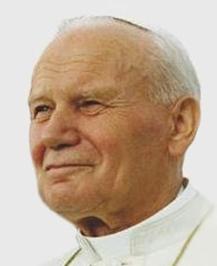
Karol Józef Wojtyła (18 May 1920 – 2 April 2005) served as head of the Catholic Church and sovereign of the Vatican City State from 16 October 1978 until his death. Known to history as Pope John Paul II, he was the first pontiff from Poland and the first non-Italian pope in more than four centuries. His papacy combined extensive pastoral travel, doctrinal teaching, diplomatic engagement and active involvement in public life across many countries.
Image gallery
10 Images





Names and identity
He is often referred to by his papal name and in several languages: in Italian as Giovanni Paolo II and in Polish as Jan Paweł II. As the 264th pope, he led the Catholic Church with a combination of pastoral outreach and theological writings. Born and raised in Poland, he remained closely associated with his homeland throughout his ministry; he is often described as a prominent Pole on the international stage.
Early life and priesthood
Wojtyła grew up in Kraków, studied in the seminary during and after World War II, and was ordained a priest in 1946. He completed academic work in philosophy and theology, served as a chaplain and university professor, and was active in pastoral and cultural life. Elevated to the episcopate and later to the College of Cardinals, he developed a reputation as a thoughtful theologian and an engaging preacher before his election to the papacy.
Papal priorities, travel and teachings
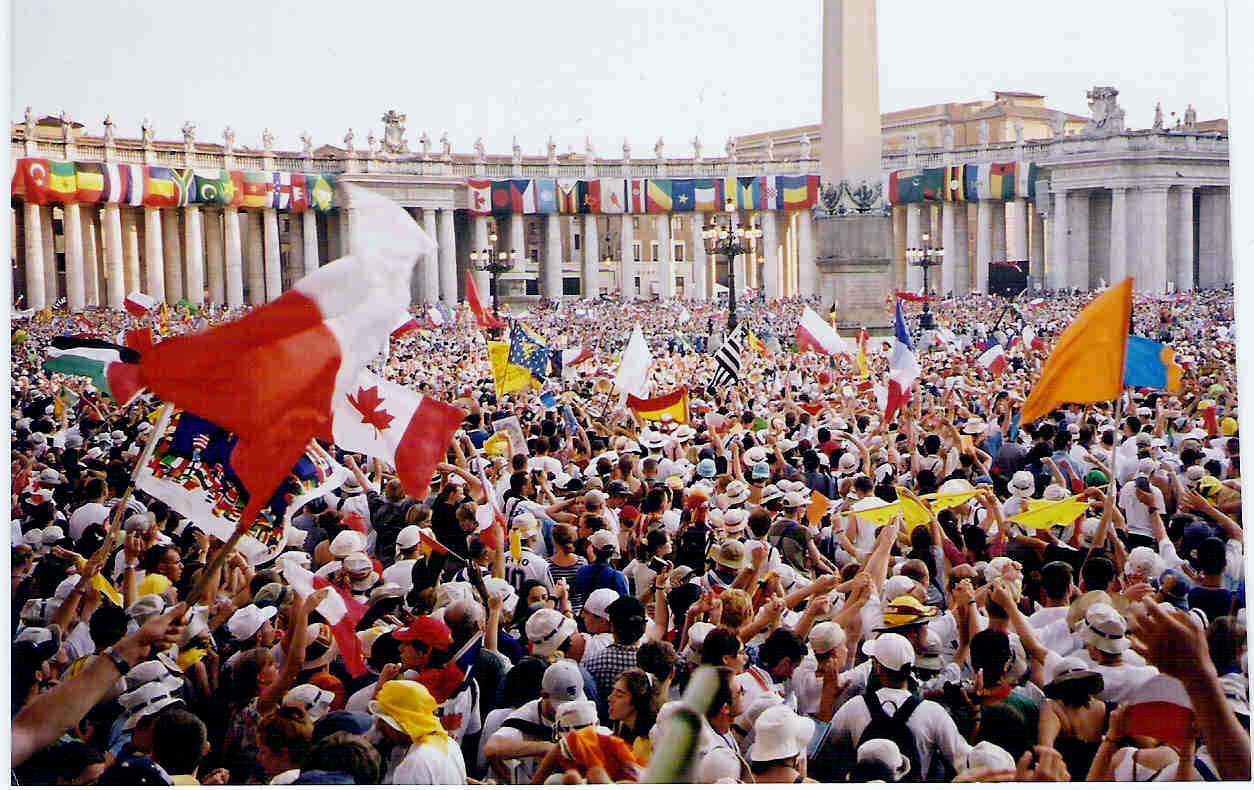
John Paul II emphasized the dignity of the human person, the sanctity of life, and the need for moral witness in society. He published numerous encyclicals and apostolic letters that addressed topics such as human rights, social justice, the value of work, and the role of the family. He promoted youth engagement by founding the international gathering known as World Youth Day. As pope he broke with previous precedent in the scope of his travel, visiting dozens of countries and becoming the first pontiff to visit the White House and, later, the first to enter and pray in a mosque, signaling a new emphasis on interfaith dialogue.
Major events and controversies
- Survived an assassination attempt in 1981 and later publicly forgave the assailant.
- Played a visible role in supporting religious freedom and the peaceful opposition to communist rule in parts of Eastern Europe, especially Poland.
- Maintained traditional Catholic teaching on issues such as contraception, abortion, and priestly ordination, which drew both support and criticism.
- Faced questions about the Church's handling of internal matters; these debates continued after his death.
Later years, death and recognition
In his final decade he suffered from health problems, including Parkinsonian symptoms, yet continued public ministry as his condition allowed. He died on 2 April 2005. After a fast-track cause for sainthood, he was beatified in 2011 (Beatification) and canonized by Pope Francis on 27 April 2014; the act of canonization is referenced by that declaration. His funeral drew an unprecedented global gathering of religious and world leaders.
Legacy
John Paul II left a complex legacy: a vastly traveled and visible pope who reshaped how modern pontiffs interact with culture and politics, deepened ecumenical and interreligious contacts, and reaffirmed traditional Catholic doctrine. His writings and initiatives continue to influence Catholic thought, pastoral practice and global conversations about faith, human rights and the public role of religion.
Questions and answers
Q: Who was Pope John Paul II?
A: Pope John Paul II, born Karol Józef Wojtyła, was the 264th Pope of the Catholic Church from 1978 to 2005.
Q: What was Pope John Paul II's birth name?
A: Pope John Paul II's birth name was Karol Józef Wojtyła.
Q: Where was Pope John Paul II from?
A: Pope John Paul II was originally from Poland.
Q: What made Pope John Paul II unique among popes?
A: Pope John Paul II was the first non-Italian pope in 455 years and traveled more than any other pope before him, visiting many countries around the world.
Q: What is World Youth Day?
A: World Youth Day is an annual event started by Pope John Paul II where young Catholics from around the world gather to celebrate their faith.
Q: What is Pope John Paul II's current title?
A: Pope John Paul II's title was changed to Blessed John Paul II after he was beatified. He was later canonized by Pope Francis and is now known as Saint John Paul II.
Q: Where did Pope John Paul II visit as the first pope to do so?
A: Pope John Paul II visited the White House and a mosque, making him the first pope to do so.
Author
AlegsaOnline.com Pope John Paul II (Karol Józef Wojtyła) Leandro Alegsa
URL: https://en.alegsaonline.com/art/128898