
William Lamb, 2nd Viscount Melbourne
British Whig statesman (1779–1848), two-time prime minister and mentor to Queen Victoria; led moderate reform, served in senior offices and gave his name to the Australian city of Melbourne.
William Lamb, 2nd Viscount Melbourne, was a leading Whig politician in early 19th-century Britain whose temperate style and practical management helped shape the office of prime minister. Born in 1779 and dying in 1848, he served in several senior government posts before becoming prime minister in the 1830s. His private life and close friendship with the young Queen Victoria attracted lasting public interest, and the city of Melbourne in Australia bears his title.
Image gallery
9 Images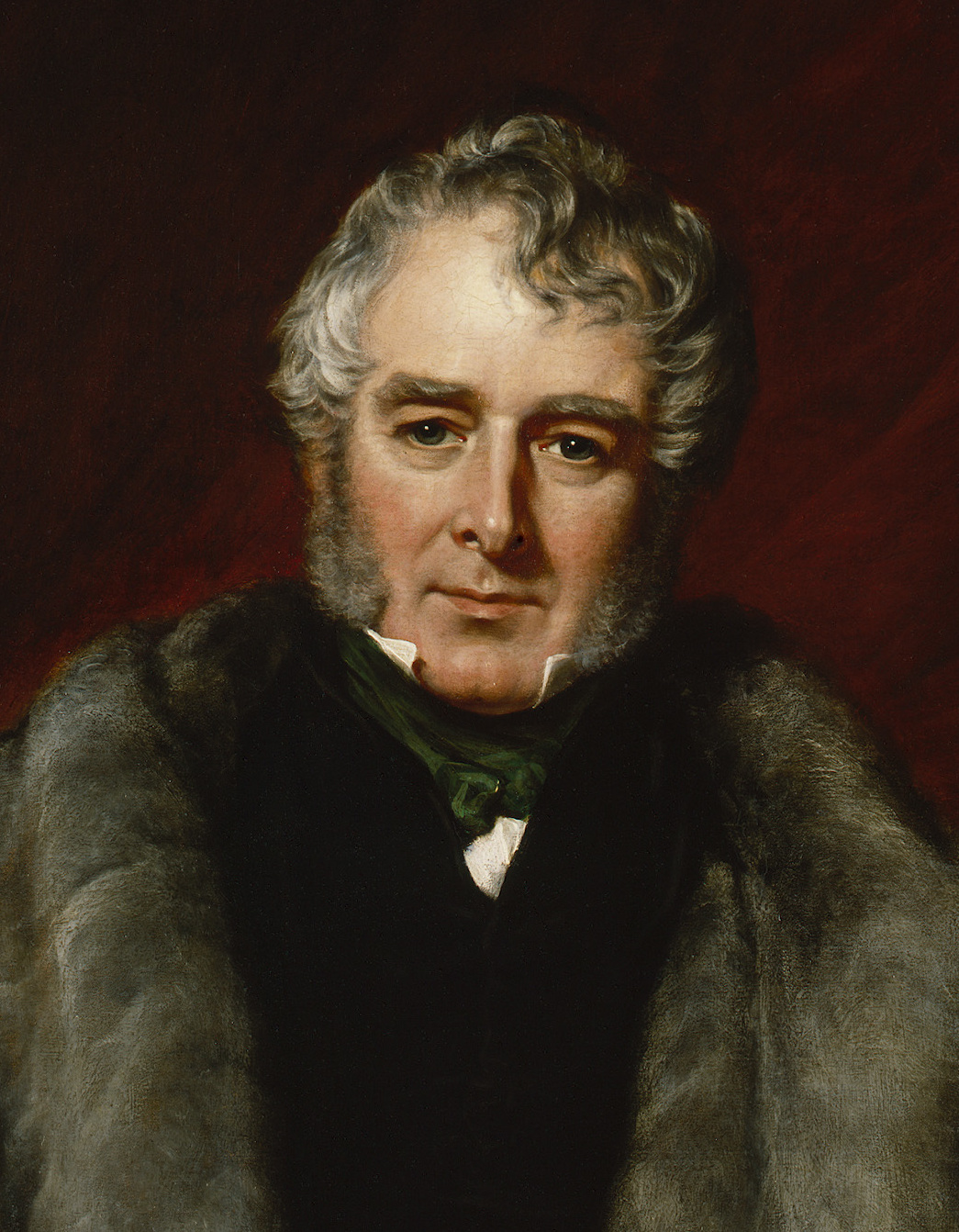




Early life and title
Lamb entered public life from a landed background and a family seat in Derbyshire. After election to the House of Commons he rose through party ranks; on the death of his father he inherited the viscountcy and took a seat in the House of Lords. His social circle and marriage were matters of contemporary gossip: his wife, Lady Caroline, became notorious for a tempestuous personality that drew attention to the family and to Lamb himself. For a brief biographical outline see biographical summary.
Political career and offices
Aligned with the Whigs, Lamb entered Parliament in 1806 and experienced a steady advancement through ministerial roles. He held key administrative posts including Irish administration and the Home Office, and acted as a senior figure in reforming Whig ministries. His service included time as a cabinet minister under party leaders such as Lord Grey; contemporary records and parliamentary guides list his principal appointments and dates (parliamentary record, office list).
- Chief roles: Irish secretary and Home Secretary, positions that brought him into close contact with law-and-order and Irish affairs (office overview).
- Prime minister: He led two ministries in the 1830s, briefly in 1834 and then from 1835 until 1841, guiding a moderate Whig agenda (prime ministerial record).
Reforms and governing style
Melbourne’s ministries were notable for a cautious approach to change: his governments supported measures that reduced the number of capital offences and reformed aspects of local administration, while avoiding radical upheaval. He was respected for political tact and for maintaining the coalition of reform-minded aristocrats and middle-class supporters that sustained the Whigs. Accounts of legislative initiatives and the political context of the period can be found in contemporary commentaries and later studies (legislative context, reform history).
Dismissal, return and relationship with the crown
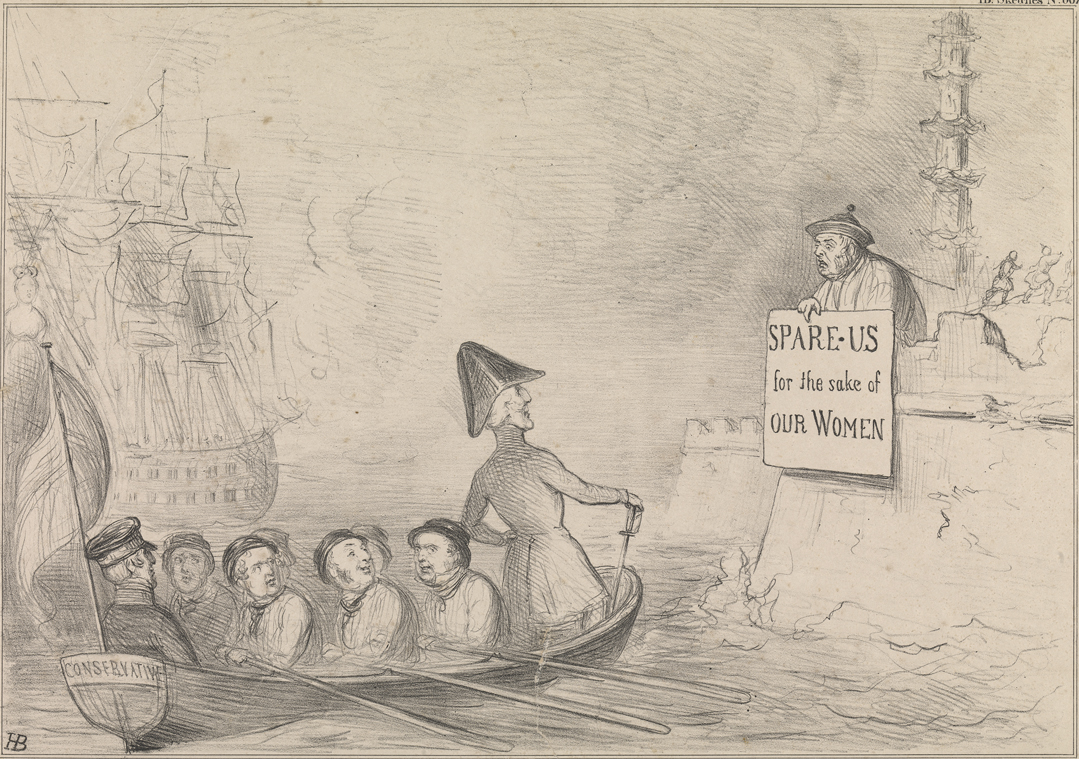
In a decisive constitutional moment he was dismissed by King William IV in 1834 in favour of a Conservative government led by Sir Robert Peel; public reaction and subsequent elections returned him to power the following year. His second ministry then guided policy until electoral defeat in 1841. During the early years of Queen Victoria’s reign he became a trusted adviser and helped the young queen adapt to constitutional monarchy and ministerial responsibility. Their association—political, parental in tone and personally affectionate—left a notable imprint on the monarchy’s modern workings (royal correspondence, constitutional role).
Legacy and place names
Melbourne retired from front-line politics in 1841 and died in 1848. His reputation rests on steady stewardship during a period of reform and on setting precedents in ministerial conduct and crown–cabinet relations. He is also remembered in placenames: the Australian city of Melbourne was named in his honour, reflecting imperial-era links between metropolitan statesmen and colonial development (colonial naming, urban history).
For further reading and curated primary materials consult parliamentary archives and dedicated biographies that assemble correspondence, speeches and contemporary press coverage (further resources).
Author
AlegsaOnline.com William Lamb, 2nd Viscount Melbourne Leandro Alegsa
URL: https://en.alegsaonline.com/art/132949