
Robert Peel: founder of the Metropolitan Police and Conservative reformer
Sir Robert Peel (1788–1850), British statesman who transformed the Tory party into the modern Conservatives, created the Metropolitan Police and led major fiscal and social reforms including the 1846 repeal of the Corn Laws.
Overview
Sir Robert Peel (5 February 1788 – 2 July 1850) was a leading British statesman of the 19th century. He served twice as Prime Minister and held several senior offices across a long parliamentary career. Peel is best known for founding the Metropolitan Police in London and for reshaping the old Tory party into what became the modern Conservative Party. For a concise biographical summary, see Sir Robert Peel.
Image gallery
10 Images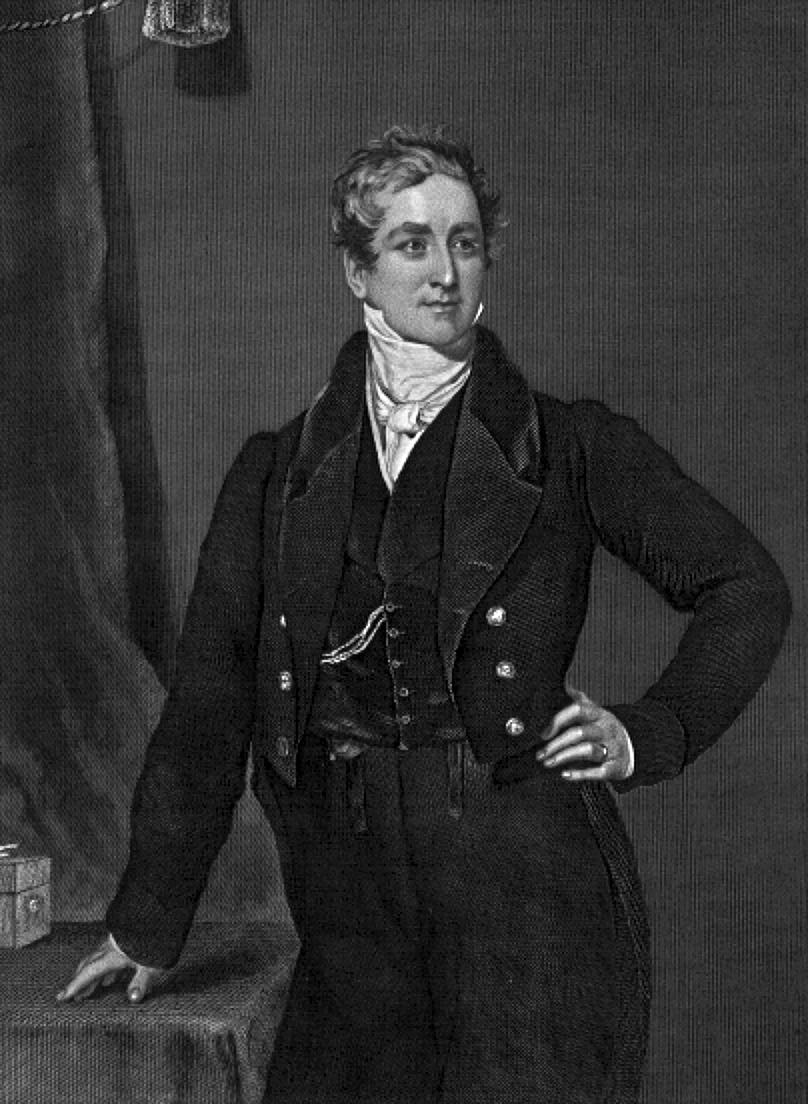


Political career and major reforms
Peel entered Parliament as a Tory and rose to national prominence through administrative competence and intellectual reformism. As Home Secretary and later as Prime Minister he pursued a program of legal, administrative and economic changes intended to modernize government. His government established a professional, uniformed police force in 1829 — the Metropolitan Police — whose officers were popularly dubbed "Bobbies" or "Peelers". Peel also introduced measures to rationalize finance, trade and public order.
Signature measures
- Metropolitan Police (1829): created a centralized civil police force for London and a model imitated elsewhere.
- Tamworth Manifesto (1834): set out a moderate Conservative program of reform and prudent government; the text helped define the party's direction and is discussed at the Conservative Party history pages.
- Repeal of the Corn Laws (1846): Peel's support for free trade and repeal of protectionist grain tariffs fractured his party and is the subject of substantial political debate; background material: Corn Laws.
Controversy, party split and later life
The decision to repeal the Corn Laws split Peel's supporters from a large portion of the Conservative parliamentary party and produced the Peelites, a centrist grouping that later influenced British politics by aligning with Whigs and Radicals on some issues. After losing party support, Peel remained active in the House of Commons but never regained a stable majority. He died in 1850 after a riding accident; his political career is often judged by the tension between pragmatic reform and party loyalty. Contemporary records of his Commons service can be consulted via House of Commons references.
Legacy and cultural references
Peel's practical reforms left a lasting institutional legacy: the Metropolitan Police became the archetype for modern policing, and the Conservative Party that emerged from his leadership remained a central force in British politics. His image has also entered popular culture — he is one of the historical figures depicted on the cover of The Beatles' album Sgt. Pepper's Lonely Hearts Club Band, often noted in discussions of 20th-century iconography and available via Beatles material and specific artwork commentary at Sgt. Pepper.
Assessments of Peel emphasize his administrative skill, willingness to change policy in the national interest, and the longstanding debate about the political cost of acting against party opinion. His life illustrates the challenges faced by reforming statesmen in periods of economic and social transformation.
Author
AlegsaOnline.com Robert Peel: founder of the Metropolitan Police and Conservative reformer Leandro Alegsa
URL: https://en.alegsaonline.com/art/129806