
William IV of the United Kingdom (1765–1837)
King of the United Kingdom and Hanover from 1830 to 1837; a former naval officer whose reign saw major parliamentary reforms and the end of the personal union with Hanover.
Overview
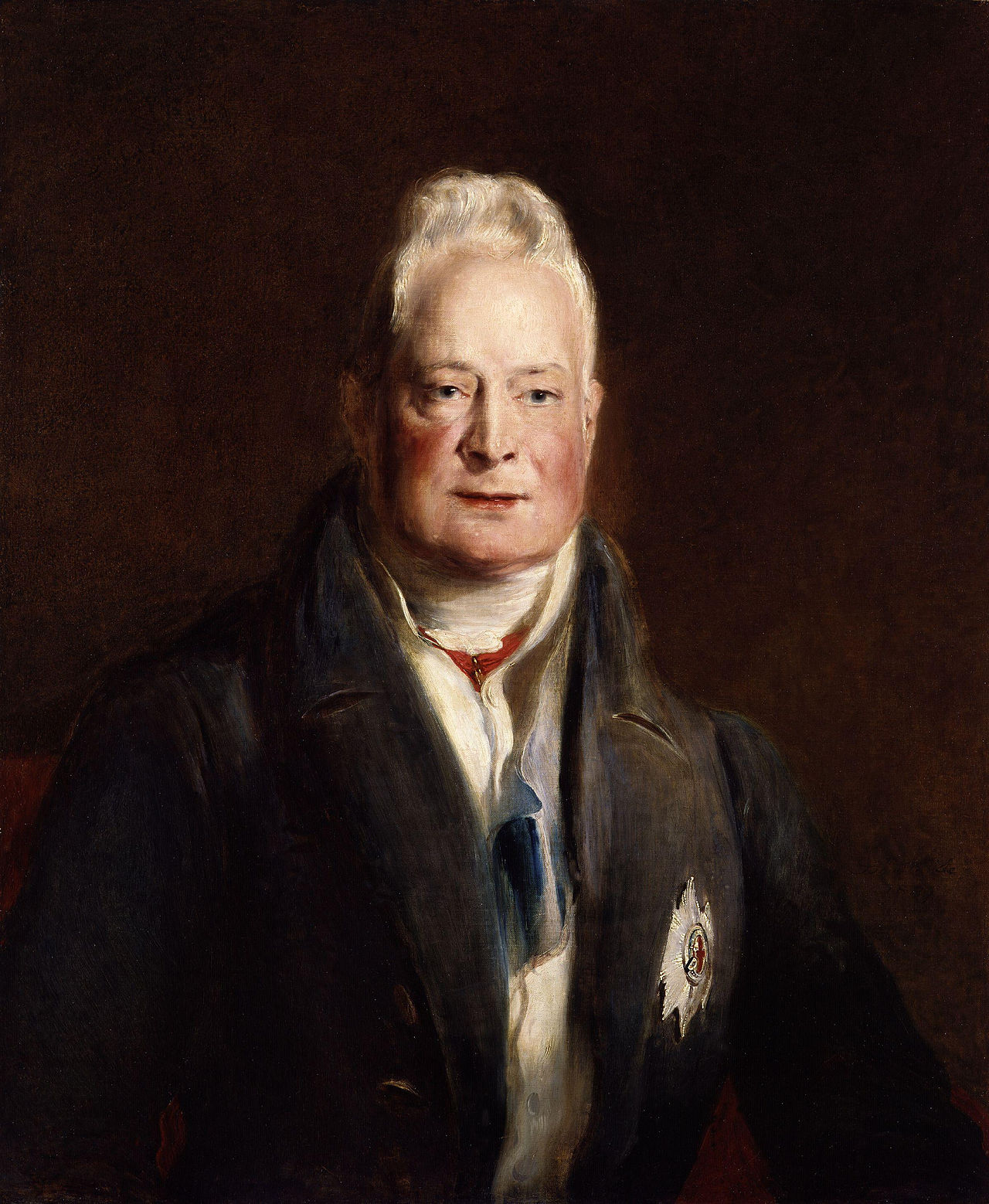
William IV (William Henry) (21 August 1765 – 20 June 1837) was King of the United Kingdom of Great Britain and Ireland and of Hanover from 26 June 1830 until his death. A younger son of King George III and the brother and successor of George IV, William's seven-year reign bridged the late Georgian era and the beginnings of Victorian Britain. He is often remembered as the last British monarch to rule both the British kingdom and the Electorate/Kingdom of Hanover in personal union; the union ended on his death when succession laws in Hanover prevented his niece from succeeding there (see note).
Image gallery
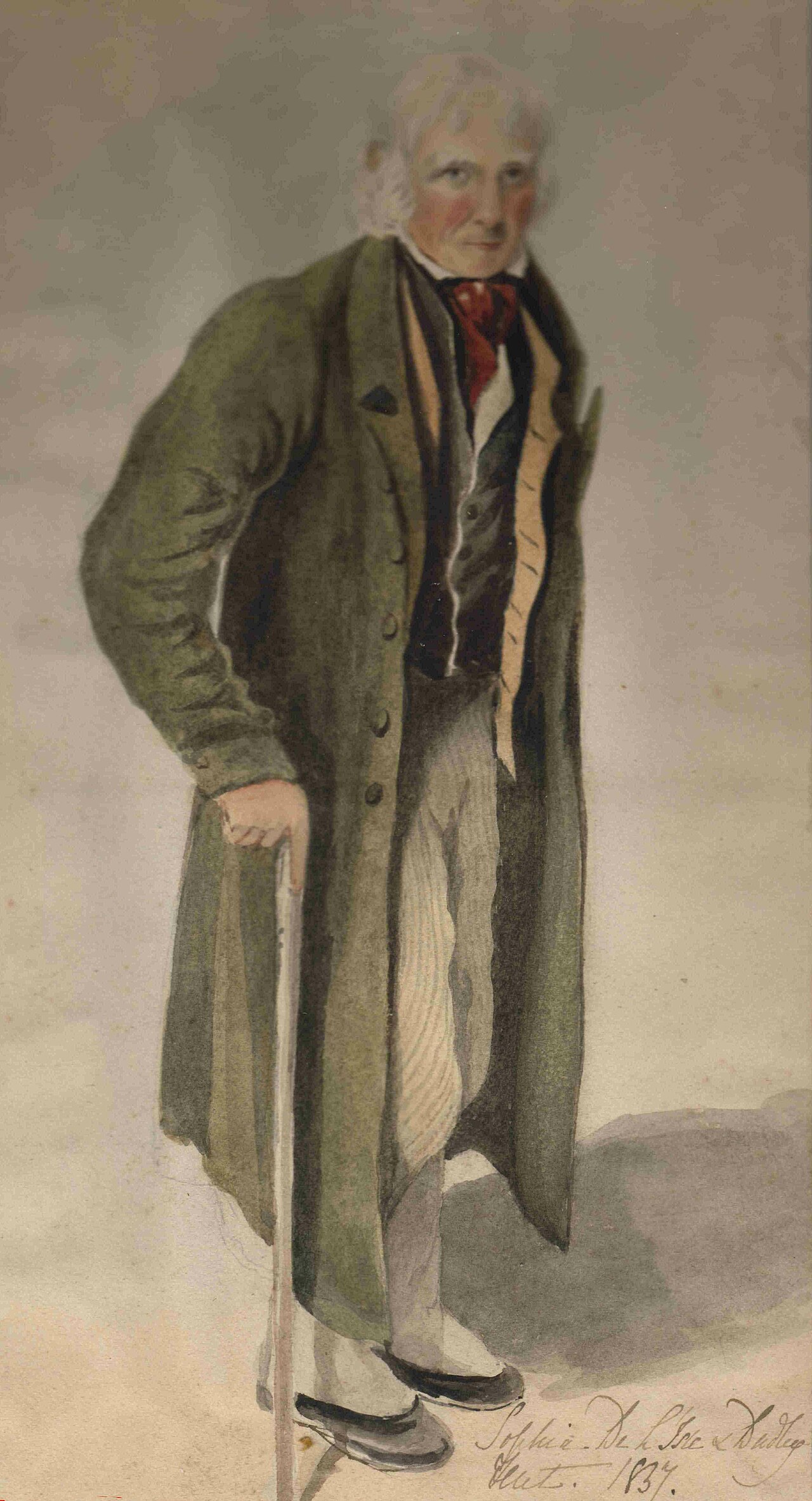
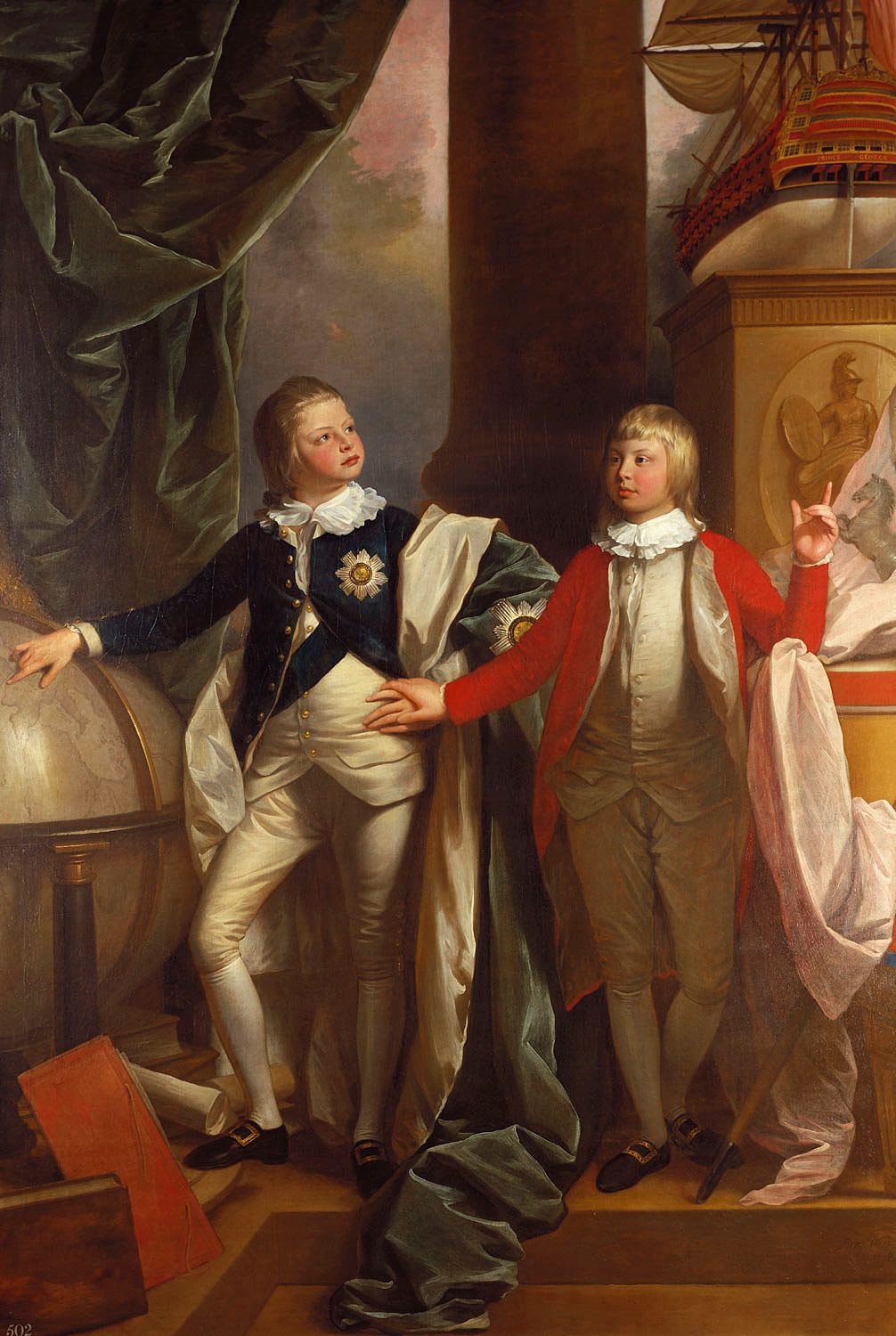
10 Images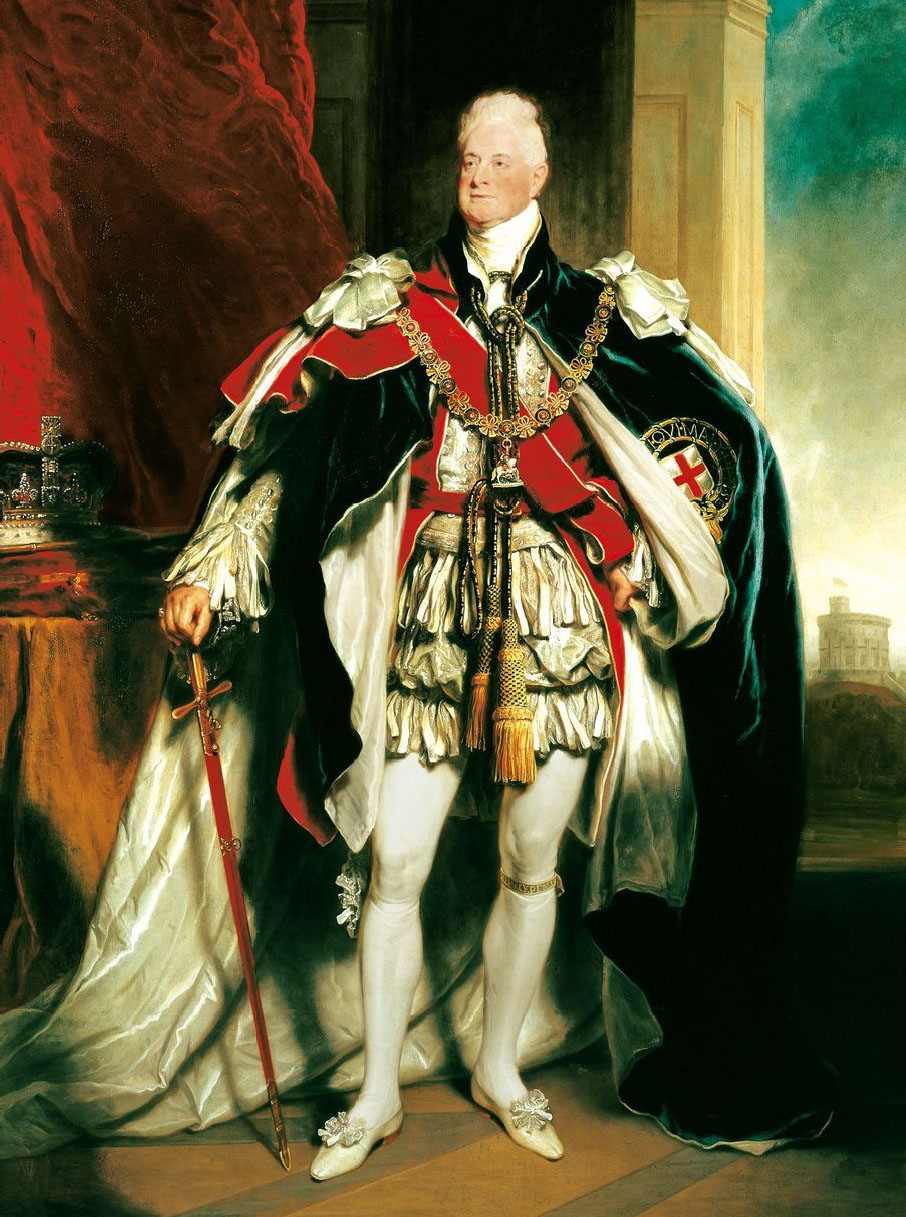






Early life and naval career
Born into the House of Hanover, William spent much of his youth at court and later entered the Royal Navy, where he gained practical experience and the popular nickname "the Sailor King." His naval service shaped his plain-spoken public image and sympathy for sailors and ordinary people, distinguishing him from some earlier courtly monarchs.
Reign and constitutional change
William acceded in 1830 at a time of political agitation and pressure for reform. His reign saw important parliamentary measures that altered British political life. Notable developments during his reign included the Reform Act 1832, which changed parliamentary representation and broadened the franchise for some men, and legislation addressing the abolition of slavery across the British Empire in the early 1830s. Although not a radical himself, William's willingness to work with ministers and to give royal assent at crucial moments helped those reforms become law.
Personal life
Before his marriage, William lived for many years with the actress Dorothea Jordan (commonly known as Mrs Jordan), with whom he had a long relationship and several children who bore the surname FitzClarence. In 1818 he married Princess Adelaide of Saxe-Meiningen; the marriage was regarded as stable, though it produced no surviving legitimate heirs who could inherit the crown. His lack of legitimate surviving issue meant the throne passed to his niece Victoria on his death.
Legacy and distinctions
William IV's importance lies less in dramatic personal achievements than in the transitional nature of his reign. He presided over early nineteenth-century reforms that reshaped parliamentary politics and the British Empire. He is remembered for an informal manner, naval background, and for being the monarch under whom the personal union with Hanover ended, a constitutional outcome tied to differing succession laws.
Notable facts
- He was the third son of George III and succeeded his elder brother George IV.
- His naval service influenced his public persona and priorities.
- Key parliamentary reforms and imperial legislation were enacted during his reign.
- His death in 1837 led to Queen Victoria's accession in the United Kingdom and the separation of the Hanoverian crown.
Author
AlegsaOnline.com William IV of the United Kingdom (1765–1837) Leandro Alegsa
URL: https://en.alegsaonline.com/art/132942