
Charles Grey, 2nd Earl Grey (1764–1845)
British Whig statesman and Prime Minister (1830–1834) best known for the 1832 Reform Act and as the namesake of Earl Grey tea.
Overview
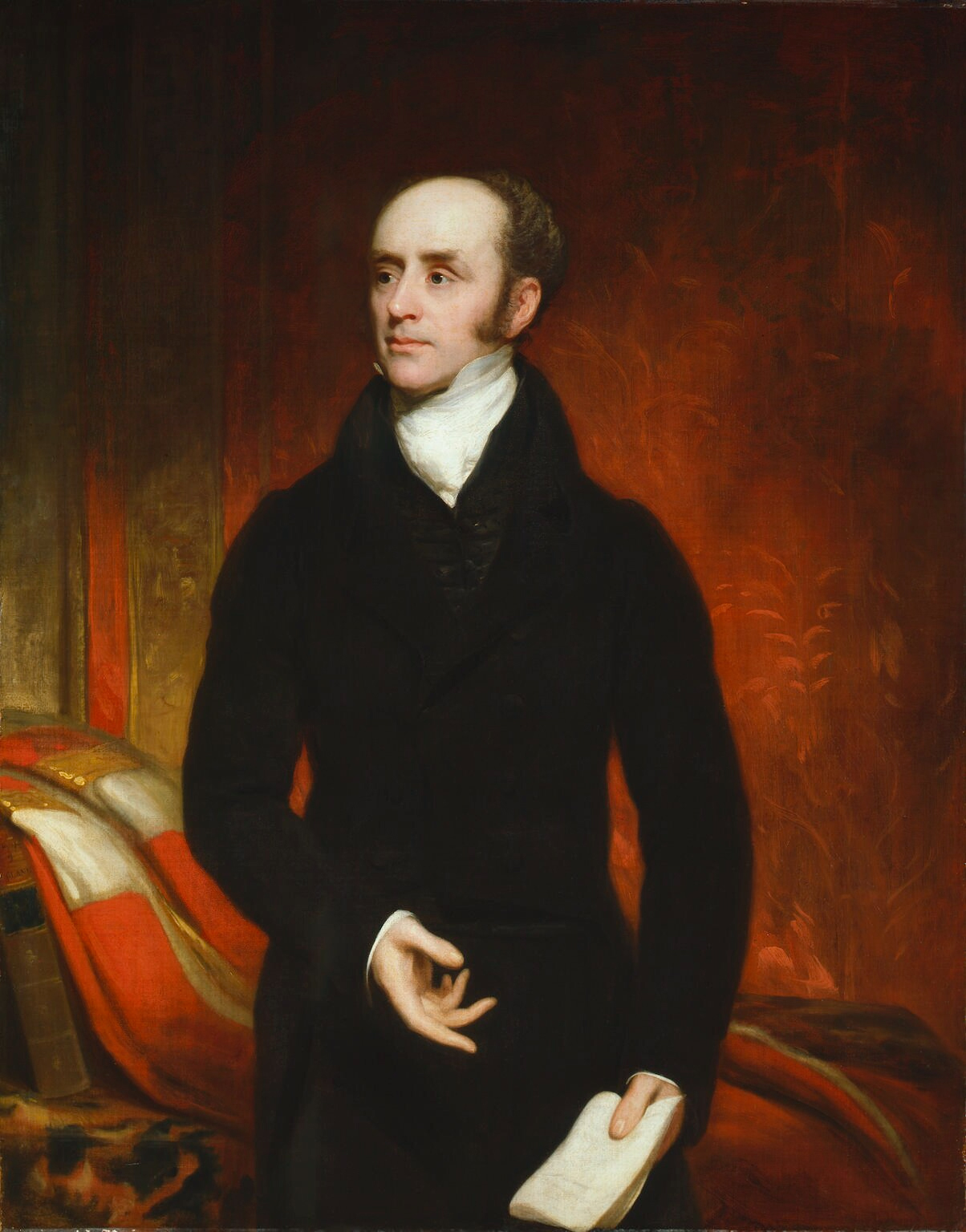
Charles Grey, 2nd Earl Grey (13 March 1764 – 17 July 1845) was a leading British Whig politician who served as Prime Minister in the early 1830s. Born into an aristocratic military family, he rose through party ranks to head a reforming government. He is also widely remembered as the namesake of Earl Grey tea, a blend flavored with bergamot oil.
Image gallery
5 Images



Political career and reforms
Grey led the Whig ministry that came to power in 1830 and remained a dominant figure until 1834. His administration is most noted for steering the Representation of the People Act 1832 — commonly called the Reform Act — through Parliament, a statute that reformed parliamentary representation and extended the franchise to a broader segment of the propertied middle class. The Grey government pursued other measures intended to modernize aspects of British governance and to reduce corruption in borough representation.
Major measures
- Representation and electoral reform culminating in the 1832 Reform Act
- Support for measures associated with broader humanitarian and administrative reforms in the 1830s
- Promotion of Whig principles of constitutional change and parliamentary accountability
Legacy and cultural references
Beyond politics, Grey's name entered popular culture through the tea blend known as Earl Grey, which is flavored with bergamot and commonly associated with his title. His premiership is often cited in histories of British democratization as a pivotal moment in moving the electoral system away from the most extreme forms of patronage. He held high honors during and after his career, including membership of the Privy Council (PC) and investiture in chivalric orders such as the Knight of the Garter (KG).
Background and personal life
Charles Grey was the son of Major General Charles Grey, 1st Earl Grey. He was identified with the Whig party (Whig) and is remembered as a pragmatic reformer rather than a revolutionary. As Prime Minister (Prime Minister) he balanced aristocratic responsibilities with an agenda of measured change. His name remains familiar today both to students of British political history and to tea drinkers around the world (Earl Grey tea).
Notable facts
Grey's administration occupies an important place in the narrative of 19th-century Britain: it reflects the transition from an older aristocratic order toward a political system more responsive to a growing urban and commercial middle class. Historians often treat his ministry as a turning point that enabled subsequent reforms in local government, the civil service and social legislation throughout the century.
Related articles
Author
AlegsaOnline.com Charles Grey, 2nd Earl Grey (1764–1845) Leandro Alegsa
URL: https://en.alegsaonline.com/art/116199