
Walter Ulbricht: East German leader, SED organizer, and state planner
Overview of Walter Ulbricht (1893–1973), leader of East Germany's Socialist Unity Party and head of state, his rise from Weimar communism to GDR leadership, policies, the Berlin Wall, and legacy.
Walter Ernst Paul Ulbricht (30 June 1893 – 1 August 1973) was a central figure in twentieth‑century German communism and the principal architect of the early German Democratic Republic (GDR). Active in the Communist Party during the Weimar Republic, he spent the Nazi years in exile before returning to the Soviet‑occupied zone in 1945 to take part in building a Soviet‑style state. As first secretary of the Socialist Unity Party (SED) he shaped political institutions, economic policy and urban development in East Germany for more than two decades.
Image gallery
10 Images


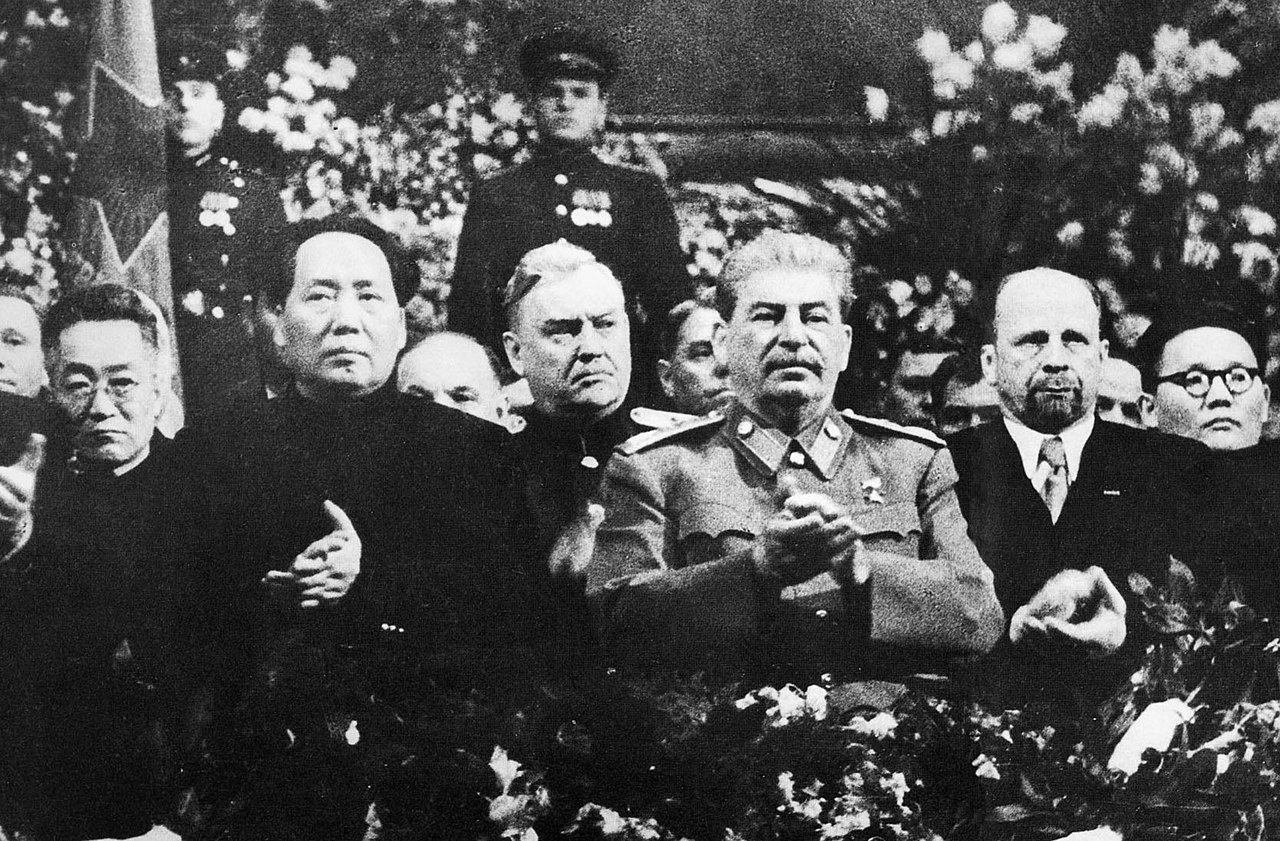

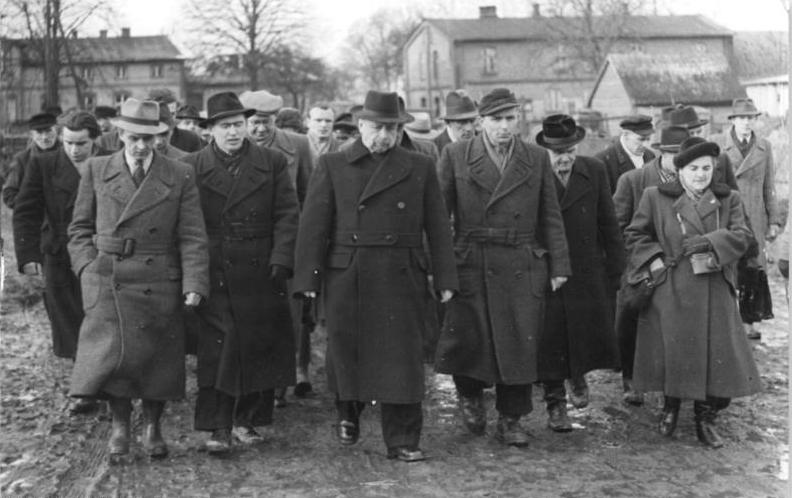
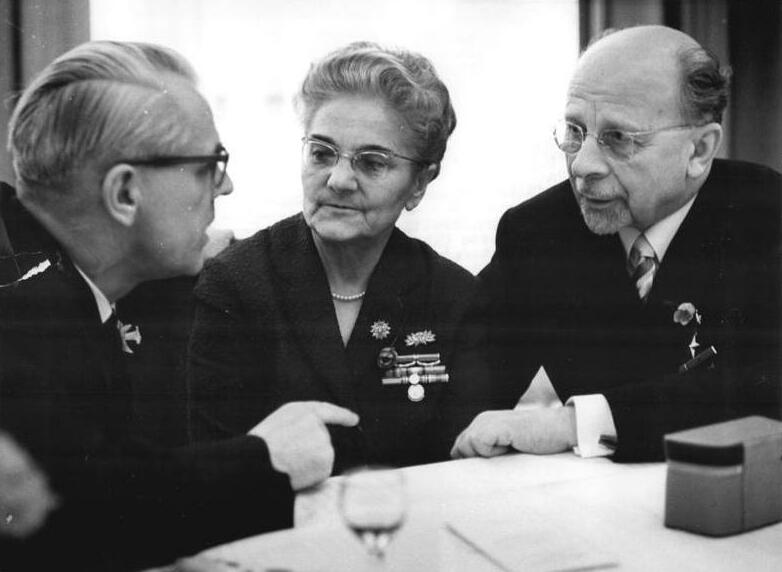
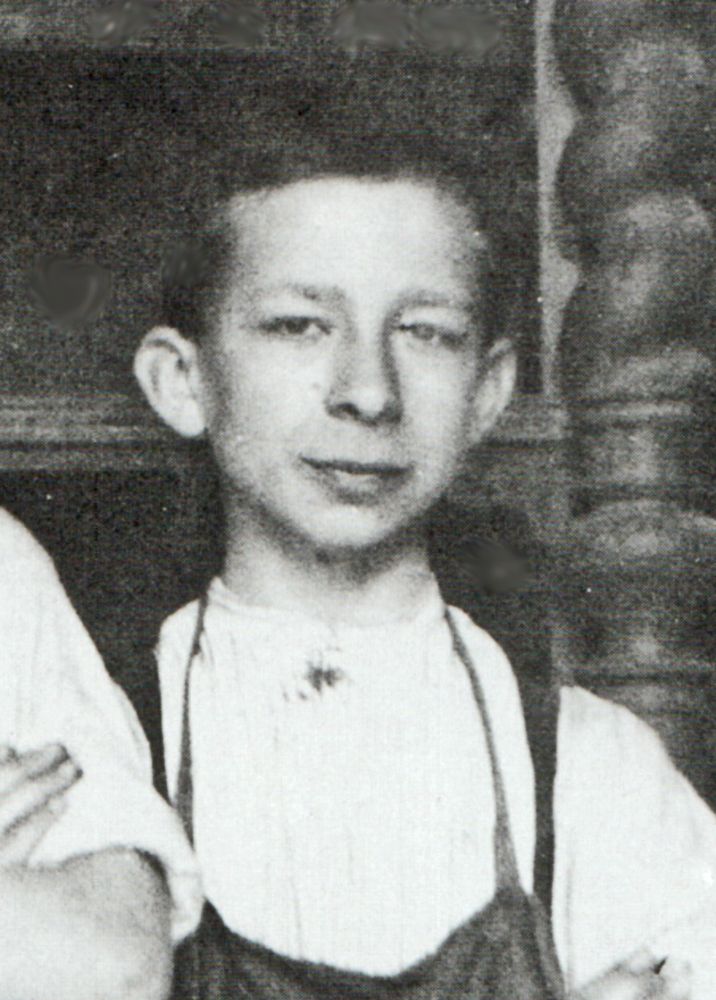

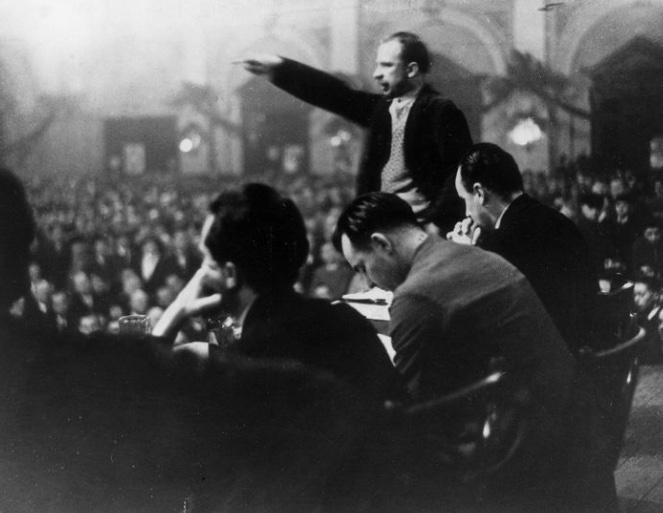
Early life and political formation
Born in the Rhineland, Ulbricht became involved in socialist and then communist politics during and after World War I. He helped found and organize branches of the Communist Party (KPD) during the Weimar years and held legislative seats at regional and national levels. After the Nazis took power, Ulbricht fled abroad, living in exile in Western Europe and later in the Soviet Union, where he remained connected with the Comintern and Soviet party leadership.
Return to Germany and rise to power
In the closing days of World War II Ulbricht led a group of returnees who entered Berlin under Soviet auspices and began administering the Soviet zone. He played a key role in the forced merger of the KPD and the SPD that created the SED, which became the ruling party of the emerging GDR. Over the 1950s he consolidated party control over the state and security organs, aligning East German policy closely with Soviet interests while also navigating shifts in Moscow's leadership and priorities.
Policies, crises and the Berlin Wall
Ulbricht oversaw mass nationalizations, land reform and agricultural collectivization intended to transform the economy along socialist lines. Political dissent was tightly restricted; the 1953 workers' uprising in East Germany was suppressed with Soviet support, a watershed that confirmed the regime's reliance on allied force to maintain rule. Under Ulbricht's leadership the GDR sealed its borders in 1961, with the construction of a fortified barrier around West Berlin that dramatically reduced emigration and defined the Cold War division of the city.
Urban planning, culture and intellectual life
Beyond politics, Ulbricht took a personal interest in urban planning, architecture and sports. Large‑scale reconstruction and postwar redevelopment projects in East German cities reflected ideological aims as well as technical priorities, and in some instances historic structures were removed to make way for modernist designs. He also sponsored party historiography and wrote on the labor movement, shaping the official narrative of Germany's working‑class history.
Later years and legacy
During the 1960s and early 1970s internal debates about economic management and political direction led to a gradual dimming of Ulbricht's authority. He was replaced at the head of the party in 1971 but continued to figure in state institutions until his death in 1973. Assessments of Ulbricht remain mixed: he is credited with stabilizing and institutionalizing the GDR, while critics emphasize repression, economic shortcomings and the human cost of border closure. His career illustrates the tensions of building a one‑party socialist state in the shadow of Soviet power.
Related topics and further reading
- Communist politician
- German Democratic Republic (GDR)
- Joseph Stalin
- Nikita Khrushchev
- Leonid Brezhnev
- Berlin Wall
- Battle of Berlin (1945)
- Weimar Republic era politics
- Landtag of Saxony
- Reichstag (Weimar legislature)
- France (exile)
- Soviet Union (exile and patron)
- Socialist Unity Party (SED)
- Wilhelm Pieck
- Architecture and urban planning in the GDR
For a fuller account consult standard biographies and histories of the GDR, which document Ulbricht's institutional roles, policy initiatives and the international context that shaped his decisions. His writings on the labor movement provide insight into the ideological foundations he invoked while constructing a socialist state.
Author
AlegsaOnline.com Walter Ulbricht: East German leader, SED organizer, and state planner Leandro Alegsa
URL: https://en.alegsaonline.com/art/132750