
Nikita Khrushchev: Soviet leader and architect of de‑Stalinization
Nikita Khrushchev (1894–1971) led the USSR 1953–1964, initiated de‑Stalinization, pursued agricultural and space policies, and navigated Cold War crises including the Cuban Missile Crisis and Berlin tensions.
Overview
Nikita Sergeyevich Khrushchev (1894–1971) was a Soviet statesman who led the Soviet Union from the aftermath of Joseph Stalin's death until his removal in 1964. He is best known for initiating a policy of de‑Stalinization, for overseeing early Soviet space achievements, and for his combative but sometimes conciliatory Cold War diplomacy. Khrushchev combined efforts to modernize Soviet industry and agriculture with episodes of repression abroad, producing a mixed and controversial legacy.
Image gallery
10 Images





Early life and rise to power
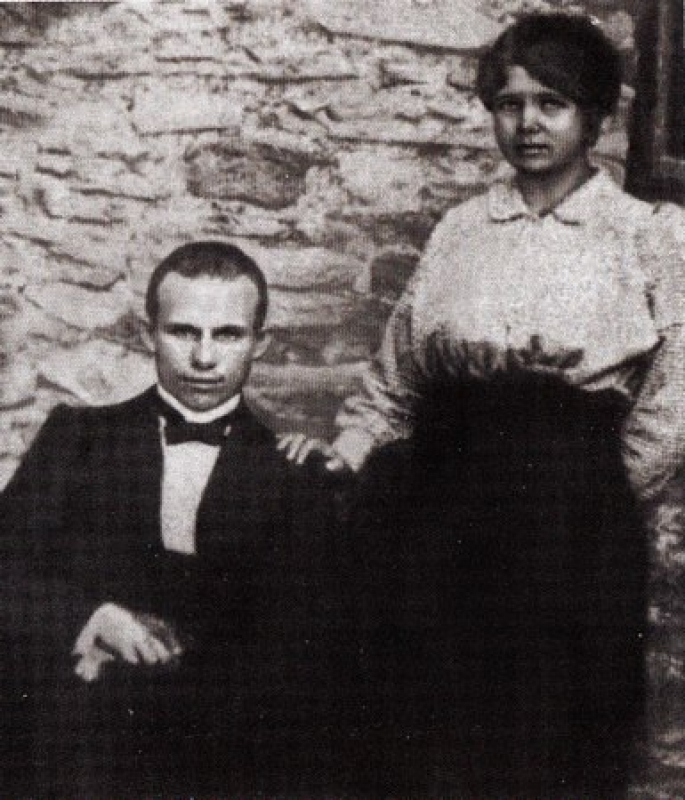
Born into a peasant family in present‑day Russia, Khrushchev worked in mines and factories before joining the Bolsheviks. He rose through party ranks in the interwar years, gaining prominence during and after the Second World War as a party organizer and regional leader, especially in Ukraine. After Stalin's death in 1953 he maneuvered within the Soviet leadership to become First Secretary of the Communist Party, consolidating power by the mid‑1950s.
Domestic policy and reforms
Domestically Khrushchev launched several high‑profile programs aimed at improving living standards and boosting agricultural and industrial output. The Virgin Lands Campaign sought to increase grain production by cultivating previously uncultivated steppe regions, producing initial gains but eventual ecological and logistical problems. He promoted construction of mass housing, greater provision of consumer goods, and limited cultural liberalization known as the "Thaw," which relaxed censorship and permitted some public debate about the Soviet past.
De‑Stalinization and political style
In 1956 Khrushchev publicly denounced many of Stalin's crimes, initiating a process of de‑Stalinization that removed the cult of personality and released some political prisoners. He remained an authoritarian leader, however, and his reforms were inconsistent. His personal style—direct, often brusque, and prone to dramatic gestures—shaped both domestic policy and international perceptions of the USSR.
Foreign policy and Cold War crises
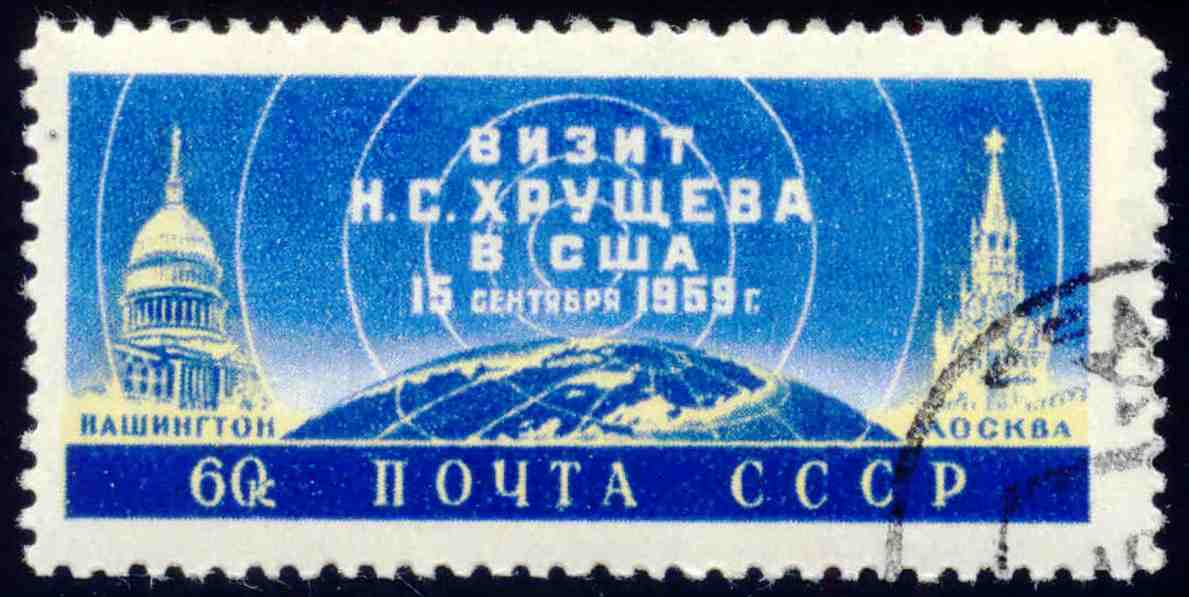
Khrushchev's foreign policy combined confrontation and bargaining. Under his leadership the Soviet Union achieved early space milestones, including the launch of Sputnik and Yuri Gagarin's first human spaceflight, which had major technological and symbolic impact. He presided during tense moments such as the 1956 Hungarian uprising, the construction of the Berlin Wall in 1961 amid rising East‑West tensions, and the 1962 Cuban Missile Crisis, when the placement of Soviet missiles in Cuba brought the world close to nuclear war. Khrushchev also made striking public statements—some later clarified—that heightened the drama of diplomacy during his tenure.
Removal and legacy
By 1964 a coalition of party colleagues, dissatisfied with economic setbacks and erratic diplomacy, forced Khrushchev from office and replaced him with Leonid Brezhnev. He spent his remaining years in retirement, under party supervision, and died in 1971. Historians view Khrushchev as a pivotal figure who eased some of Stalin's worst excesses and pushed the USSR into the modern technological era, while also presiding over policy failures and risky international standoffs.
Further reading and sources
- Biographical overview and timeline
- Context on Stalin's era and aftermath
- Succession and Brezhnev era
- Security services and Soviet governance
- Soviet space program milestones
- Berlin Wall and German division
- East Berlin and Cold War geography
- Europe in World War II
- Berlin's history in the 20th century
- West Berlin and Western influence
- Gorbachev and later Soviet reforms
- Overview of the Cold War period
Author
AlegsaOnline.com Nikita Khrushchev: Soviet leader and architect of de‑Stalinization Leandro Alegsa
URL: https://en.alegsaonline.com/art/127665