
Boroughs of New York City: structure, history, and distinct roles
Overview of New York City's five boroughs — Manhattan, Brooklyn, Queens, The Bronx, and Staten Island — their county status, history since 1898, governance, characteristics, and notable distinctions.
Overview
New York City is composed of five principal administrative divisions known as boroughs. Each borough corresponds to a county within the State of New York and together they make up the single municipal government of the City. The five boroughs are Manhattan, Brooklyn, Queens, The Bronx, and Staten Island. The city as a whole is frequently discussed in borough terms because many services, identities and local institutions are organized at that level rather than only by neighborhood.
Image gallery
7 Images



Structure and governance
Legally the boroughs are coextensive with five counties: New York County (Manhattan), Kings County (Brooklyn), Queens County (Queens), Bronx County (The Bronx), and Richmond County (Staten Island). This dual identity means a borough functions both as a municipal division and as a county for state purposes. Each borough is represented by a borough president, who plays an advisory role in city government, particularly on land use, budget priorities, and appointments to community boards. Day-to-day municipal services such as policing, sanitation and schools are managed by citywide agencies, while some judicial and state functions operate at the county level. For background resources on municipal structure, see general city information here and notes on county status here.
History and development
The modern borough system dates from the consolidation of 1898, when the City of Greater New York united several independent municipalities and counties into one city with five boroughs. Boundaries have been adjusted since: for example, the area now known as The Bronx was once part of southern Westchester County before portions were annexed to New York County in the late 19th century and later organized as Bronx County in 1914. Similarly, the eastern portion of Queens County separated shortly after consolidation to form Nassau County in 1899. These changes reflect how the borough framework grew out of earlier county and municipal arrangements. For more on those earlier counties see Westchester and Nassau.
Characteristics of each borough
- Manhattan — the city's commercial and cultural core, home to major financial, cultural, and governmental institutions; geographically the smallest borough but with high population density.
- Brooklyn — historically independent before consolidation and today known for its diverse neighborhoods, arts scenes, and as the most populous borough.
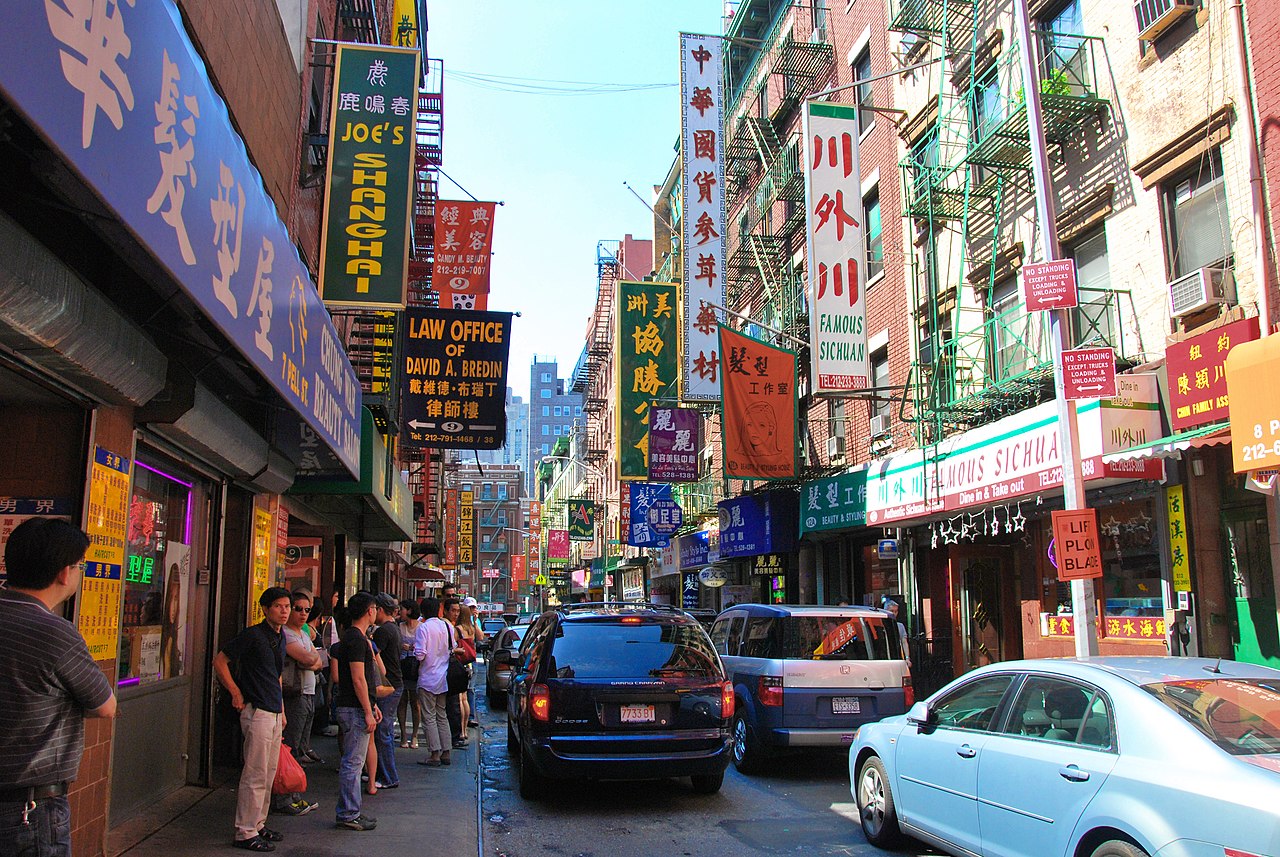
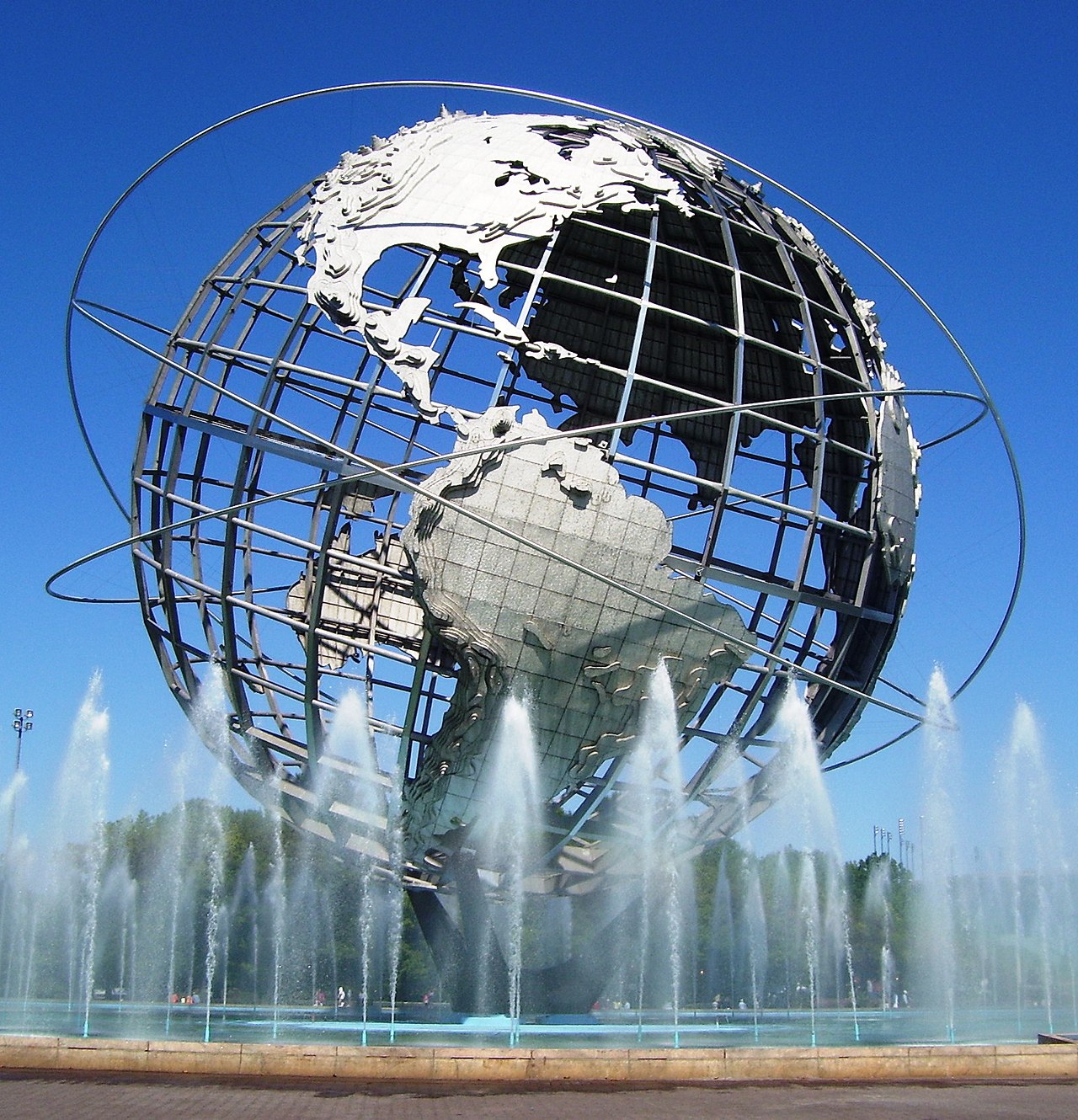
- Queens — the largest borough by area and one of the most ethnically diverse urban areas in the world; residential neighborhoods mix with industrial corridors and airports.
- The Bronx — the only borough located primarily on the U.S. mainland; it has distinct residential communities, parks, and historical ties to earlier county arrangements.
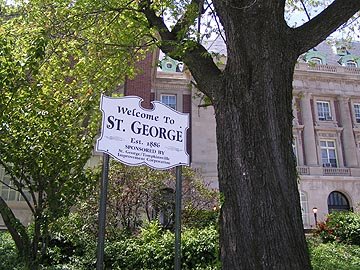
- Staten Island — the most suburban in character, connected to the rest of the city by bridges and the Staten Island Ferry, and corresponding to Richmond County.
Role, importance and distinctions
Borough identities shape how New Yorkers talk about location, culture and politics. Many civic institutions, cultural organizations and sports teams are associated with particular boroughs, and local issues—such as land use, transportation or housing—often play out in borough-based forums. Borough presidents and community boards provide local advocacy and input into citywide decisions; for a concise description of the borough president's office see this reference. Additional context on the borough concept and administrative function is available here.
Notable facts and examples
Practical distinctions include differences in land use patterns, density, and transportation: Manhattan's dense commercial corridors contrast with Staten Island's lower-density residential neighborhoods, while Queens and Brooklyn contain large, mixed-use areas with multiple ethnic centers. The Bronx is notable for its parks and community institutions and has a history linked to earlier annexations from Westchester County. The post-consolidation split that created Nassau County demonstrates how borough boundaries and county lines evolved together. For a local overview and resources by borough, readers can consult borough-specific pages such as Manhattan and Brooklyn, and comparative summaries like Queens and The Bronx.
Understanding New York City's boroughs provides a practical map for the city's civic life: they are administrative units, cultural markers, and the lenses through which many public policies and community priorities are negotiated.
Related articles
Author
AlegsaOnline.com Boroughs of New York City: structure, history, and distinct roles Leandro Alegsa
URL: https://en.alegsaonline.com/art/13157
Sources
- ny.curbed.com : "How Queens Became New York City's Largest Borough"