
Borutta — small comune in Sardinia, Italy
Borutta (Borùta) is a small municipality in the Province of Sassari, Sardinia. Noted for its compact area, elevated position, and traditional rural character, it exemplifies many small Sardinian communities.
Overview
Borutta (local name Borùta) is a small town and comune in the Province of Sassari on the island of Sardinia, Italy. It is one of many compact municipalities that together form the island's rural fabric. As of 2016 the population was recorded at 287 inhabitants, the total area measures about 4.76 km², and the town stands at roughly 471 metres above sea level.
Image gallery
4 Images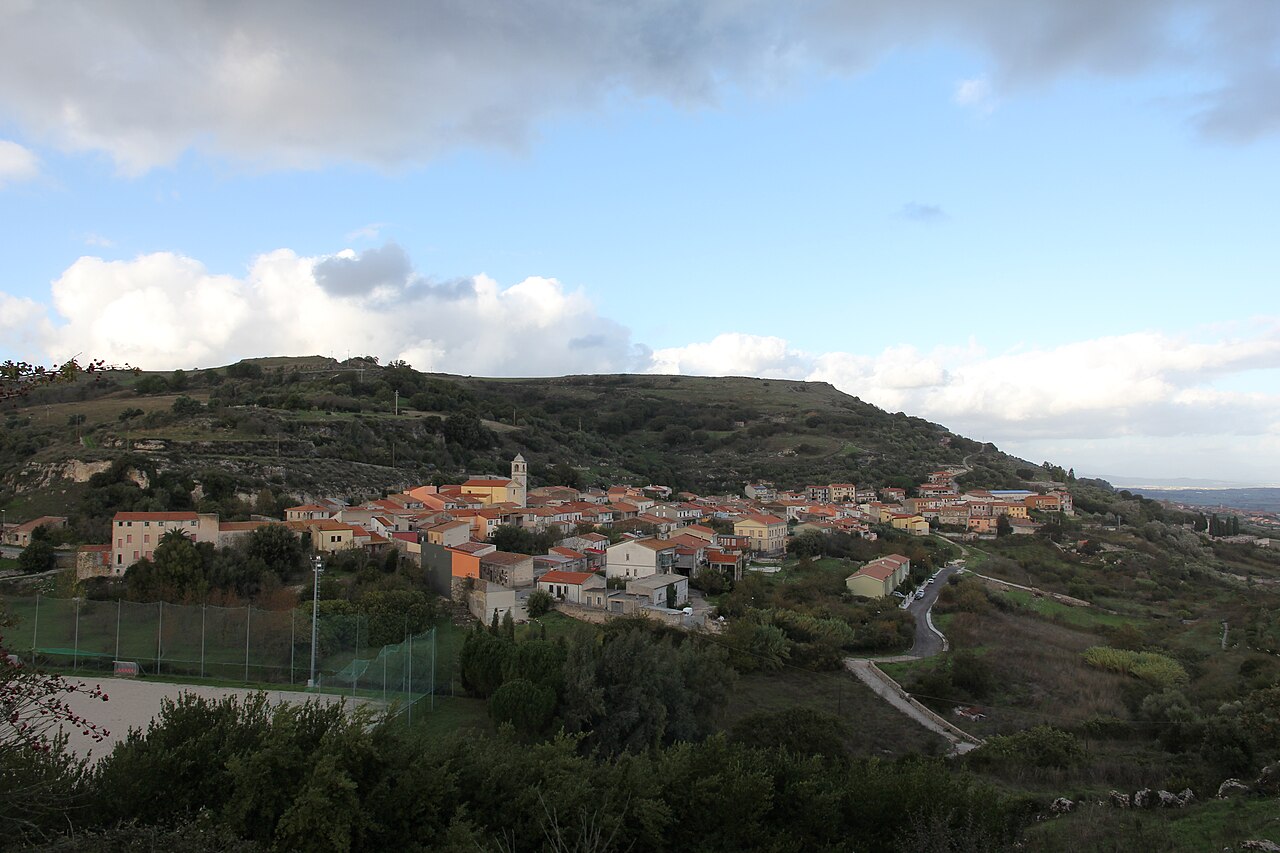


Geography and environment
Borutta occupies a small area of northern Sardinia and features the hilly terrain typical of inland parts of the island. Its elevation gives it vantage over nearby valleys and contributes to a Mediterranean climate with local variations in temperature and rainfall. The town is connected to surrounding settlements by local roads rather than major highways.
History and development
Like many Sardinian villages, Borutta has roots that reflect long-term agricultural settlement and local traditions. While it is a modern administrative comune, its streets, buildings and community practices show influences from historical rural life on the island. The town’s size and population have tended to remain small, reflecting broader demographic trends in rural Sardinia.
Economy, culture and daily life
The local economy is primarily rural and traditionally based on agriculture, livestock and small-scale services that support daily life. Cultural life revolves around local festivals, religious observances and community gatherings, which help preserve Sardinian language variants, cuisine and crafts. Visitors typically come to experience the quiet character and regional traditions rather than large tourist facilities.
Administration and practical information
Borutta is administered as a comune within the Province of Sassari and the region of Sardinia. It is part of the national territory of Italy and holds the legal and administrative status of a municipality (comune). For mapping, local services or visitor information, consult municipal or provincial resources (see general town entry: Borutta).
Notable facts and distinctions
- Small land area (around 4.76 km²) and low population make it one of the more compact comuni on the island.
- Elevation (about 471 m) contributes to its local climate and landscape views.
- Representative of Sardinia’s many small rural communities, important for regional identity and traditions.
For visitors or researchers seeking further administrative details, demographic updates or event calendars, municipal and provincial portals are the best primary sources. Historical and cultural context is often explored through local museums, regional studies and ethnographic work that cover rural Sardinian life.
Related articles
Author
AlegsaOnline.com Borutta — small comune in Sardinia, Italy Leandro Alegsa
URL: https://en.alegsaonline.com/art/13171
Sources
- istat.it : "Superficie di Comuni Province e Regioni italiane al 9 ottobre 2011"
- demo.istat.it : "Popolazione Residente al 1° Gennaio 2018"
- demo.istat.it : Istituto Nazionale di Statistica - Bilancio demografico al 30/11/2016