
Stanley Bruce: Australian Prime Minister, soldier and diplomat
Stanley Melbourne Bruce (1883–1967) was Australia’s eighth prime minister (1923–1929), a World War I veteran, Treasurer, later High Commissioner to the UK and the first sitting prime minister to lose his seat.
Overview — Stanley Melbourne Bruce was a prominent Australian statesman who led the country as its eighth Prime Minister from February 1923 to October 1929. Born 15 April 1883 and dying 25 August 1967, he combined military service and financial responsibility with an active diplomatic career. His rise and fall as prime minister have been remembered for both energetic nation‑building efforts and political controversy. See basic references: birth record, death notice, and his listing among Australian leaders Prime Ministers in national overviews of Australia.
Image gallery
10 Images


Early life and military service
Bruce grew up in Melbourne and was drawn into public life after early experiences at home and abroad. He served with the British Army and saw active service during World War I, where he was seriously wounded in France in 1917. His Melbourne origins and wartime record shaped his later public identity: see accounts tied to his birthplace Melbourne, his military affiliation British Army and the wider conflict of World War I, including reports of his injury in France.
Political career and premiership
After returning to Australia Bruce began a parliamentary career, winning the House of Representatives seat for Flinders in 1918. He became Treasurer in 1921 and, with the collapse of the previous ministry, was invited to head a coalition government in 1923 — an outcome linked to the departure of Billy Hughes from leadership Hughes. His administration won general elections in 1925 and 1928 (1925) (1928) and pursued policies to modernize national infrastructure, commerce and Australia's place in the British Empire.
Policies, controversy and 1929 defeat
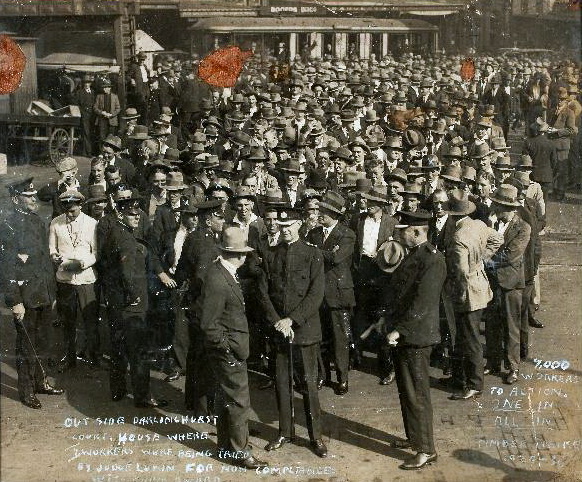
Bruce combined the roles of Prime Minister and Minister for External Affairs, promoting closer ties with Britain and active economic management. His government pursued reforms in industry and federal responsibilities that provoked strong debate in parliament and among unions. Political backlash culminated in the 1929 election, where his party was defeated and Bruce became the first sitting prime minister to lose his own parliamentary seat (1929 election). Contemporary commentary links the defeat to disputes over industrial relations and federal authority.
Later diplomatic service and honors
After leaving the Australian Parliament — having served as Treasurer (Treasurer) and in other ministerial roles — Bruce moved into diplomatic work. In 1933 he resigned from parliament to accept a posting as Australia’s High Commissioner in London, representing Australian interests in the United Kingdom and the Empire. His later career included further international engagement and he was ennobled as a viscount in recognition of his public service.
Legacy and notable facts
- Dates: born 15 April 1883, died 25 August 1967; major parliamentary period 1918–1933.
- Military veteran whose wartime experience informed his public standing and policies.
- First sitting prime minister to lose his seat at a general election, marking a rare constitutional and political moment in Australian history.
- Served in combined roles of prime minister and external affairs minister, and later as High Commissioner in London.
For concise biographies and primary references see archival and biographical entries: timeline overview, research notes on the premiership (Australia context), election materials 1925 and 1928, and discussions of the 1929 loss analysis. Additional parliamentary and local records include his early constituency Flinders and ministerial appointments Treasurer.
Further reading and archival links: birth, death, prime ministerial list, Hughes era, Melbourne, military service, WWI context, injury report, Flinders, Treasurer role.
Author
AlegsaOnline.com Stanley Bruce: Australian Prime Minister, soldier and diplomat Leandro Alegsa
URL: https://en.alegsaonline.com/art/131125