
1883
Overview of the year 1883: major disasters, political and social developments, engineering milestones, cultural highlights, and notable births and deaths with their lasting significance.
1883 was a year marked by dramatic natural catastrophe, ambitious engineering achievements and significant social and administrative reform. Events from that year had both immediate human consequences and long-term cultural and scientific echoes: volcanic eruption and tsunamis, new urban links, the emergence of modern timekeeping for rail travel, and steps toward organized social insurance.
Image gallery
10 Images



Notable events and developments
- Krakatoa eruption: One of the century's most powerful volcanic eruptions occurred in the Sunda Strait. Massive explosions, tsunamis and ashfall devastated nearby coasts and sent aerosols into the atmosphere, producing striking sunsets and measurable climatic effects for months afterward.
- Brooklyn Bridge opened: The suspension bridge linking Manhattan and Brooklyn was completed and opened to the public, symbolizing industrial-era engineering and urban expansion.
- Standard time adoption: North American railways moved to a system of standard time zones, creating a practical, continent-wide schedule and helping to synchronize commerce and travel.
- Social legislation: In Germany, national sickness insurance laws established state-regulated health protection for industrial workers, an important early model of social insurance.
- International rail travel: Luxury and long-distance rail services were expanded with the inauguration of high-profile international routes that would shape continental travel.
The Krakatoa explosions in late August were among the most widely observed natural phenomena of the decade. Beyond the immediate loss of life and property along coasts, the eruption injected dust and sulfur into the stratosphere; artists and observers around the world recorded unusually vivid sunsets and atmospheric effects for months afterward. Contemporary reports described very loud detonations heard at great distances and disruptive weather anomalies in subsequent months.
Engineering and administrative changes also shaped 1883. The opening of the Brooklyn Bridge represented a milestone in steel-wire suspension construction and urban connectivity; the project involved a succession of engineers and a prominent role played by members of the Roebling family. Meanwhile, the adoption of standard time by railroads removed a patchwork of local times and is often cited as a practical precursor to later legal time standards.
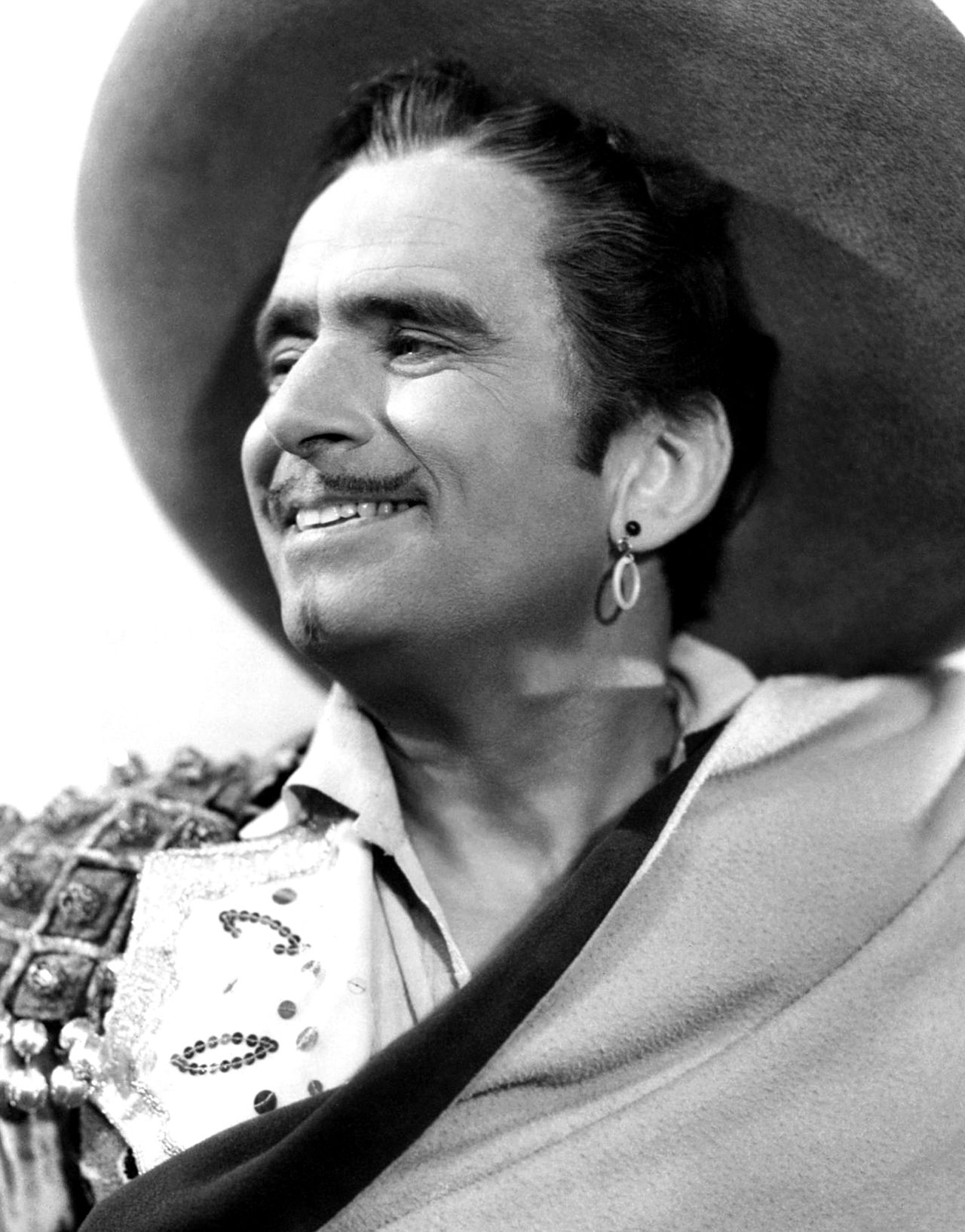
Culturally and politically, 1883 saw publications and the deaths and births of individuals who would influence the twentieth century. The year included the death of the philosopher and economist Karl Marx. Notable births included figures who later became prominent in politics and economics. Literary and popular works published or consolidated in this period also contributed to late nineteenth‑century cultural life.
Importance and legacy
- Natural-science impact: Krakatoa’s atmospheric effects helped contemporary scientists and artists observe global connections in climate and light.
- Modern infrastructure: The Brooklyn Bridge and standardized railway time were concrete innovations that eased transportation and commerce in growing industrial societies.
- Social policy: Early state-backed sickness insurance in Germany was influential in discussions of social welfare across Europe.
Together, the events of 1883 illustrate how human societies confronted both sudden natural disaster and gradual institutional change. The year remains notable for how local tragedies and technical reforms produced consequences that were felt far beyond their immediate places and times.
Related articles
Author
AlegsaOnline.com 1883 Leandro Alegsa
URL: https://en.alegsaonline.com/art/111853