
Billy Hughes: Australian Prime Minister and wartime political leader
Profile of William Morris 'Billy' Hughes (1862–1952), his political career, wartime leadership, the conscription crisis, party realignments, and his long parliamentary service.
Overview
William Morris "Billy" Hughes (25 September 1862 – 28 October 1952) was a prominent Australian politician who served as the country's seventh Prime Minister. He led the government through much of the First World War and became a central figure in debates over national policy, military recruitment and Australia's relationship with the British Empire. His career was marked by forceful rhetoric, frequent party changes and a long tenure in federal parliament.
Image gallery
10 Images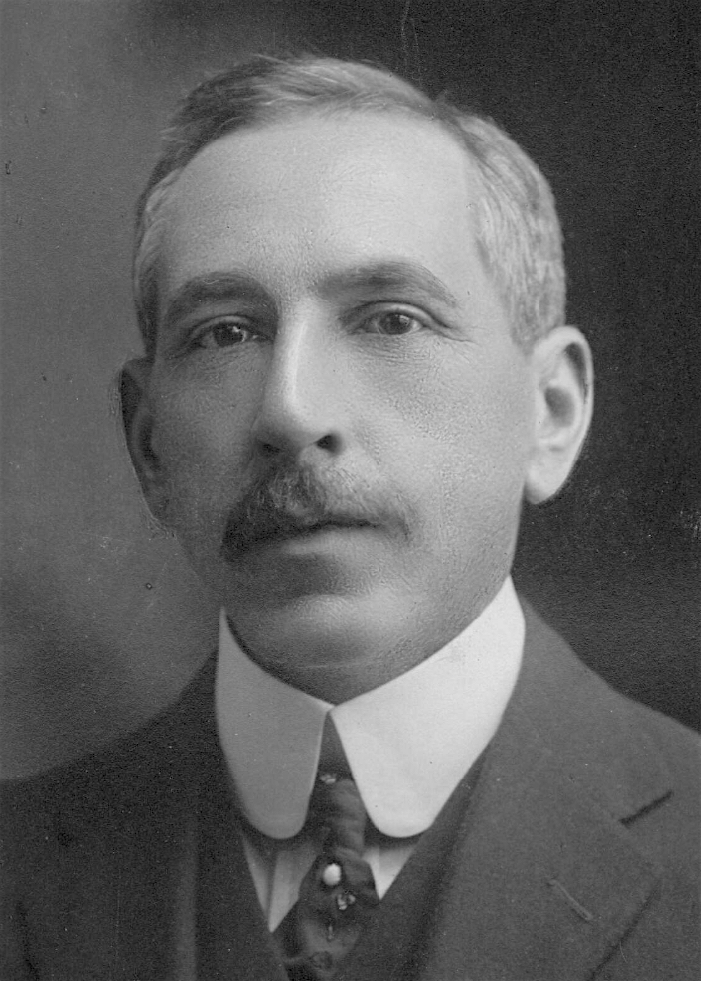




Political roles and responsibilities
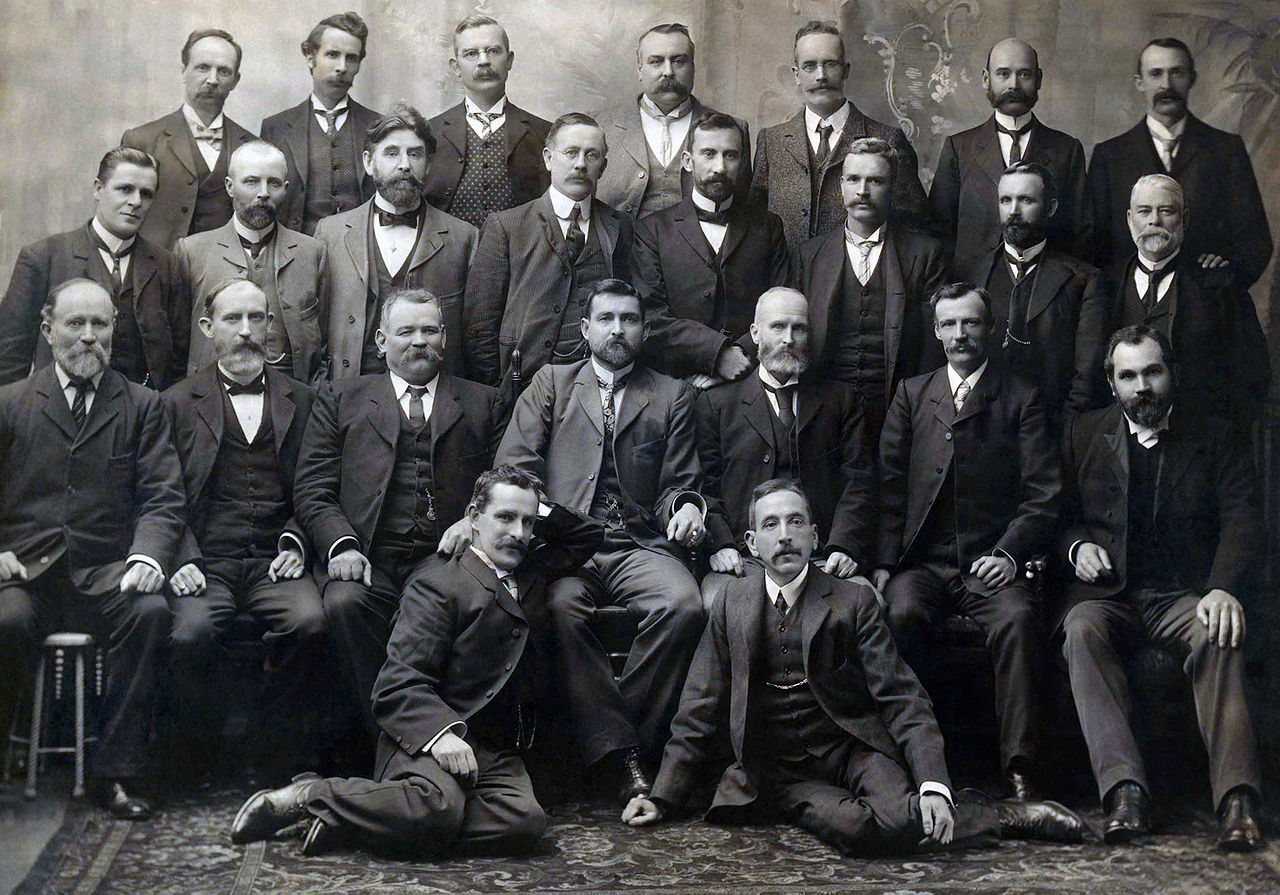
Before becoming prime minister, Hughes held several senior positions. He served as Minister for External Affairs during the short-lived government of Chris Watson, and he was Attorney-General in the three Labor ministries led by Andrew Fisher (1908–09, 1910–13 and 1914–15). As prime minister he presided over wartime administration and expanded federal powers to coordinate the national effort.
The wartime premiership and the conscription crisis
Hughes assumed office during World War I and became a leading advocate for compulsory military enlistment. He twice sought public approval for conscription in national referendums; both attempts failed amid strong public and political opposition. The issue split his original party, the Labor movement, and prompted a major realignment of Australian politics.
Party split and the Nationalist government
After the conscription disputes, Hughes was expelled from Labor and formed a new governing coalition by joining with elements of the opposition to create the Nationalist Party. This reshaping of allegiances enabled him to remain prime minister for more than seven years — a record length of service at that time. His relationship with rural and regional representatives was contentious, and pressure from the Country Party contributed to the end of his premiership in the early 1920s.
Legacy and later life
Although forced from the prime ministership, Hughes continued to play an active role in federal politics and remained a member of parliament until his death in 1952. He is remembered for his uncompromising style, his strong support for the British Empire and the war effort, and for changing the structure of party politics in Australia. His career illustrates how a single issue — in his case, conscription — can transform political loyalties and institutions.
Notable facts and context
- Hughes' time as prime minister overlapped with critical moments in Australian and international history, notably the nation's expanding involvement in global conflict and debates about national service.
- His ministerial background included key legal and external affairs responsibilities before rising to the country's top office.
- His political journey involved multiple party labels and alliances; from the Labor Party to new wartime groupings that reconfigured the federal party system.
For further reading on the period and Hughes' role, see summaries of Australian prime ministerial history and wartime politics: Australia, conscription debates, and contemporary accounts of governmental change. Additional resources on his early ministerial roles and the Fisher and Watson governments are available through historical collections and parliamentary records.
Related articles
Author
AlegsaOnline.com Billy Hughes: Australian Prime Minister and wartime political leader Leandro Alegsa
URL: https://en.alegsaonline.com/art/115166
Sources
- adb.online.anu.edu.au : "Hughes, William Morris (Billy) (1862–1952)"