
Boogie Nights (1997 film)
Paul Thomas Anderson's ensemble drama about the rise and fall of a 1970s–80s adult film actor in the San Fernando Valley, noted for its long takes, disco-era soundtrack and ensemble cast.
Overview
Boogie Nights is a 1997 American drama film written by Paul Thomas Anderson and directed by Paul Thomas Anderson (director). The story follows a young performer who becomes a prominent figure in the adult industry of the 1970s and 1980s, tracing his professional ascent and the personal costs that follow. The picture is set largely in the San Fernando Valley and explores the cultural moment when disco, film production and changing technologies reshaped the business.
Image gallery
4 Images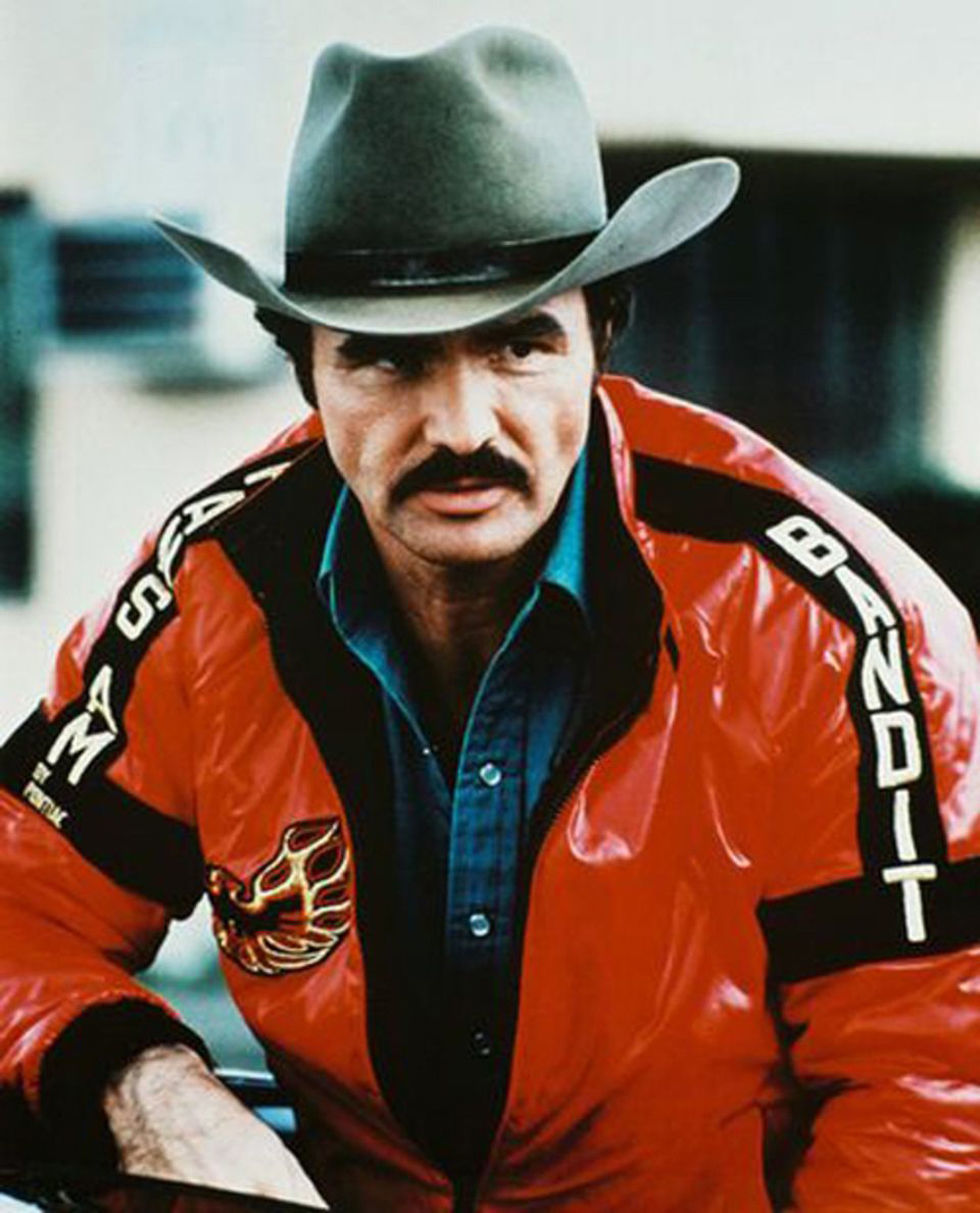
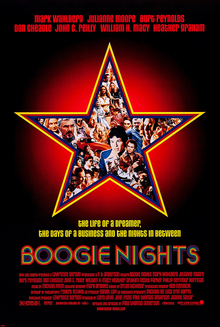


Cast and characters
- Mark Wahlberg plays the central role of Eddie Adams / Dirk Diggler.
- Julianne Moore appears as Amber Waves, a leading performer and maternal figure.
- Burt Reynolds portrays Jack Horner, the director who mentors new talent.
- Don Cheadle is Buck Swope, a friend and industry associate.
- John C. Reilly plays Reed Rothchild, a fellow performer and confidant.
- Philip Seymour Hoffman appears as Scotty J., part of the ensemble supporting the main arc.
- William H. Macy and Heather Graham round out the ensemble in memorable supporting roles.
Style and themes
The film blends a period soundtrack and vivid production design to recreate the 1970s–80s audiovisual atmosphere. It examines ambition, celebrity and exploitation within the adult film industry while treating its characters with a mix of empathy and critical distance. Technically, the movie is known for extended Steadicam sequences and overlapping dialogue that emphasize group dynamics and the passage of time.
Production and reception
Made early in Paul Thomas Anderson's career, the picture expanded his profile and showcased his ability to manage large casts and complex staging. Critics praised the ensemble performances, the period detail, and the film's tonal balance between comedy and tragedy. It attracted attention during awards season and remains frequently discussed in studies of American independent cinema and period filmmaking.
Legacy and distinctions
Today the film is often cited for launching or boosting the profiles of several cast members and for its unflinching look at a controversial subculture during a time of rapid change. Its approach—an intimate ensemble narrative set against broader industry shifts—has influenced subsequent filmmakers exploring the intersection of fame, commerce and personal identity.
For further information about the film's production, cast interviews, and critical analysis, see related resources linked throughout this article: overview, screenplay notes, direction, filmmaker profile, and individual cast pages.
Tags
Related articles
Author
AlegsaOnline.com Boogie Nights (1997 film) Leandro Alegsa
URL: https://en.alegsaonline.com/art/12949