
Queen Elizabeth The Queen Mother (1900–2002)
British queen consort and matriarch, wife of King George VI, wartime symbol of resilience and mother of Queen Elizabeth II; a prominent public figure who lived to 101 and remained active into old age.
Elizabeth Angela Marguerite Bowes-Lyon (4 August 1900 – 30 March 2002) was a central figure of the British royal family in the 20th century. As wife of King George VI she served as Queen Consort from 1936 until his death in 1952; afterwards she became widely known as Queen Elizabeth The Queen Mother to distinguish her from her daughter, Queen Elizabeth II. Born into the Bowes-Lyon family, she grew up within the Scottish landed aristocracy and the traditions of a large noble household associated with the title held by her father, the Earl of Strathmore and Kinghorne. Her family background placed her in the social circles of the British upper classes and the nobility, while her public persona later came to represent a more accessible image of monarchy.
Image gallery
10 Images
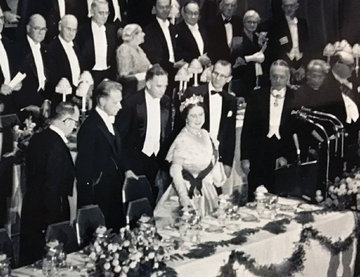


Early life and marriage
Lady Elizabeth's upbringing combined private country life with formal education appropriate to an aristocratic daughter of the era. In 1923 she married Prince Albert, Duke of York, the second son of King George V and Queen Mary. The marriage brought her into the direct line of the royal family. The couple had two daughters, the future Queen Elizabeth II and Princess Margaret. As Duchess of York she became popular with the public for a warm, unofficial style and was nicknamed the "Smiling Duchess" for her photographed friendliness.
Unexpected succession and role as consort
The line of succession changed dramatically in 1936 when her brother-in-law Edward VIII abdicated the throne to marry Wallis Simpson, an American socialite who had been divorced. The Duke of York acceded as King George VI and Elizabeth became Queen Consort. In that capacity she undertook official duties, represented the monarchy at state occasions, and supported the king in domestic and foreign engagements, including visits to France and tours of North America. Her style combined ceremonial dignity with a strong emphasis on private family life and public reassurance.
Wartime service and public image
During World War II the Queen Consort chose to remain in London during the Blitz and frequently visited hospitals, bombed districts and military units. These actions and the royal couple's visible solidarity with the British people helped to establish them as symbols of national endurance. Her public appearances, speeches and support for charitable and welfare causes reinforced a reputation for courage and empathy that endured long after the war.
Later life, health and public duties
After her husband's death in 1952 she adopted the style "Queen Mother" and continued to take part in ceremonial events, family milestones and patronages, acting as a matriarchal figure within the royal household. Her long life included a number of medical procedures that were reported publicly: an appendectomy, surgery and treatment for colon issues in the 1960s, and later treatment for breast cancer. Despite recurring health problems, she maintained a busy public calendar into advanced age, attending jubilees, services and charity events and often receiving attention for her sartorial elegance and personal warmth.
- Family: mother of Queen Elizabeth II and Princess Margaret, grandmother and great-grandmother to subsequent generations.
- Public role: Queen Consort during King George VI's reign and senior royal figure for decades thereafter.
- Reputation: admired for wartime courage, an approachable public manner and sustained commitment to charity and service.
Death and legacy
The Queen Mother lived to the age of 101, dying on 30 March 2002, shortly after the death of her younger daughter in February of that year. She was the first member of the modern British royal family to reach the age of 100, a milestone that underlined her longevity and the span of her public life. Her century-long life and visibility through many national events made her a symbol of continuity for a monarchy that underwent considerable social change during the 20th century. She was also one of several senior royals of her generation to live into old age; for comparison see figures such as Princess Alice, Duchess of Gloucester (see).
Memory and cultural presence
The Queen Mother remained a frequent subject of biographies, documentaries and commemorations: she is remembered not only for her formal duties and charitable work but also for the image she cultivated of family devotion, practical steadiness and public reassurance. Her life is often cited in discussions of the modern British monarchy's adaptation to wartime pressures, media scrutiny and the expectations of public service. For readers seeking further reading and archival resources, institutional collections and reputable biographies provide detailed chronologies of her life and public engagements.
Key events in her life and the events that shaped the monarchy are documented in official records and histories; to explore more, readers may consult primary sources and curated collections available through museums, archives and authoritative publications. For a broad overview of her role within the royal family and the national life of Britain in the 20th century, see related entries and materials linked here: abdication, nobility context, and the many international tours and wartime activities summarized above.
Questions and answers
Q: Who was Queen Elizabeth The Queen Mother?
A: Queen Elizabeth The Queen Mother was the wife (Queen Consort) of King George VI of the United Kingdom from 1936 until his death in 1952. After her husband's death, she was known as Queen Elizabeth The Queen Mother, so that she would not be confused with her elder daughter, Queen Elizabeth II.
Q: What did she do before becoming queen?
A: Before her husband became king, from 1923 to 1936 she was known as the Duchess of York.
Q: Who were her family members?
A: Her family belonged to the Scottish nobility and her father was the 14th Earl of Strathmore and Kinghorne.
Q: How did she become known to everyone?
A: She became known to everyone when she married Albert, Duke of York, the second son of George V and Queen Mary in 1923.
Q: What title did she have after her husband became king?
A: As his wife, she had the title of Queen Consort when he unexpectedly became King in 1936.
Q: What did she do during World War II?
A: During World War II, she supported the British public with great courage.
Q: How long did she live after her husband died?
A: After her husband died in 1952, She lived for another 50 years until 2002 when she passed away at age 101.
Author
AlegsaOnline.com Queen Elizabeth The Queen Mother (1900–2002) Leandro Alegsa
URL: https://en.alegsaonline.com/art/129063