
Appendectomy (appendicectomy)
Surgical removal of the vermiform appendix, most commonly performed to treat appendicitis. Describes indications, approaches, recovery, risks, history, and clinical variations.
Overview
An appendectomy, also called an appendicectomy, is the surgical removal of the vermiform appendix. It is most frequently performed to treat acute appendicitis, an inflammation or infection of the appendix that can progress to perforation and peritonitis if not managed. When appendicitis is suspected, clinicians typically evaluate symptoms, physical signs and imaging before recommending removal; more information on the condition is available at appendicitis.
Image gallery
10 Images




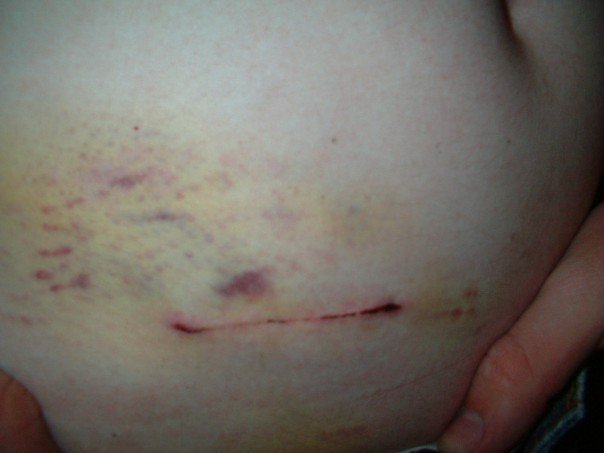
Indications and timing
The primary indication is symptomatic appendicitis. Surgery may be urgent when there is concern for rupture, localized abscess, or generalized infection. In some situations — such as a contained abscess — initial nonoperative treatment with antibiotics and drainage can be chosen, with delayed (interval) appendectomy considered later. Elective appendectomy is rare and typically reserved for specific circumstances (e.g., incidental removal during another abdominal operation).
Techniques
Appendectomy can be performed by several operative approaches. Common methods include:
- Open appendectomy: a single incision in the lower right abdomen.
- Laparoscopic appendectomy: several small incisions using a camera and instruments; often preferred for faster recovery and less pain.
- Single-incision and hybrid techniques: variations that aim to reduce scarring or combine minimally invasive and open elements.
Recovery and complications
Recovery time varies with the surgical approach and whether the appendix was perforated. Laparoscopic patients usually resume normal activities sooner. Potential complications include wound infection, intra-abdominal abscess, bowel obstruction from adhesions, and rare anesthetic or thromboembolic events. Early mobilization, wound care, and follow-up reduce risks.
History and notable facts
Appendectomy became established in the late 19th and early 20th centuries as surgeons recognized the danger of untreated appendicitis. The shift to laparoscopic methods in the late 20th century changed postoperative outcomes and patient expectations. Today, decision-making balances clinical exam, imaging, and evolving evidence about antibiotic-first strategies for selected uncomplicated cases.
Clinical considerations
Surgeons consider patient age, comorbidities, pregnancy, and imaging results when planning management. While appendectomy remains a common and often life-saving operation, practice continues to evolve with research into nonoperative management and minimally invasive technologies.
Related articles
Author
AlegsaOnline.com Appendectomy (appendicectomy) Leandro Alegsa
URL: https://en.alegsaonline.com/art/4962