
Park Geun-hye
South Korean conservative politician; daughter of Park Chung-hee; first woman elected president (2013–2017); removed after impeachment amid a corruption scandal, later convicted and eventually pardoned.
Overview
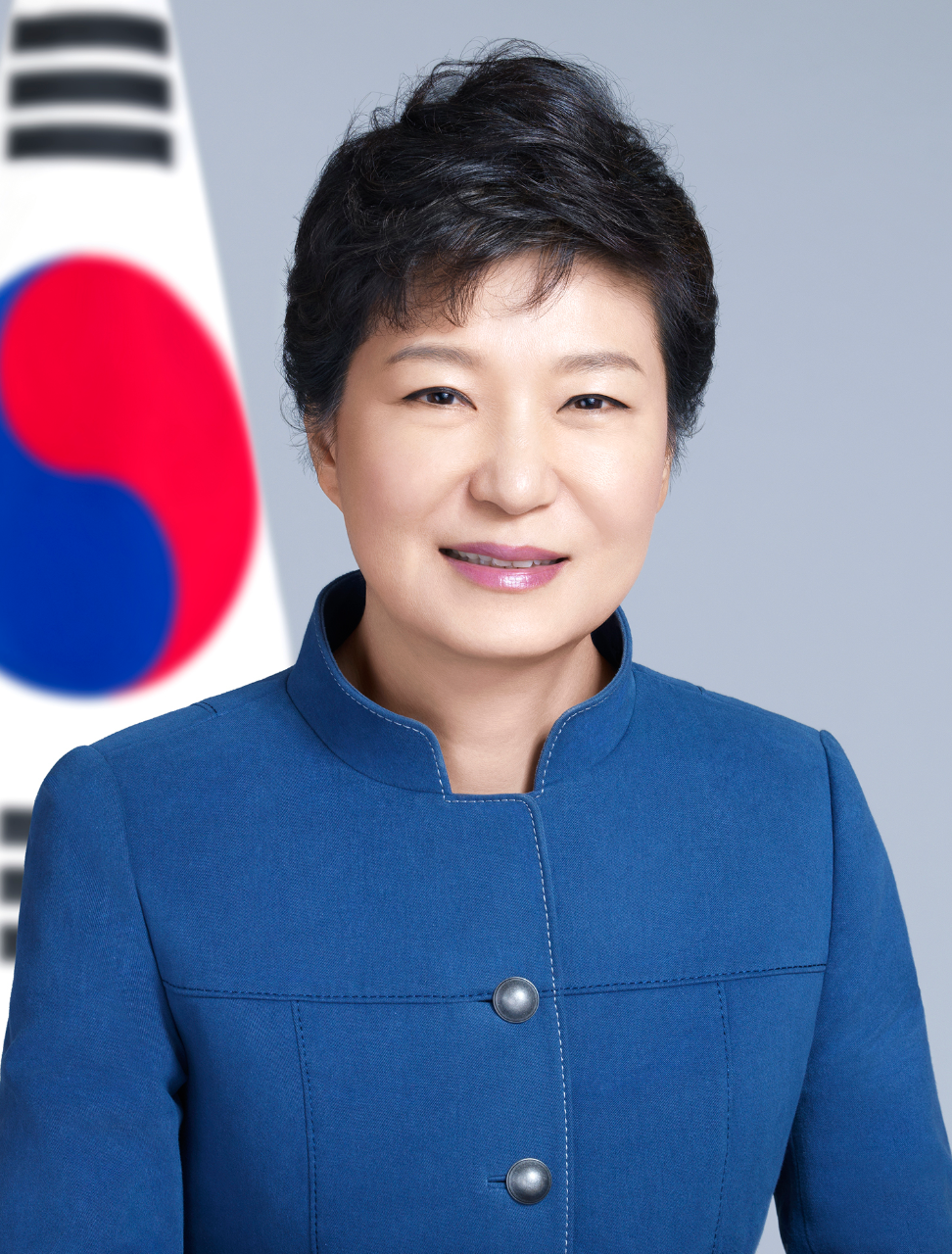
Park Geun-hye (born 2 February 1952) is a South Korean conservative politician who served as the 11th President of the Republic of Korea from 2013 until her removal from office in 2017. She is the eldest daughter of Park Chung-hee, who led South Korea from 1961 until his assassination in 1979. Park rose to national prominence within the conservative political movement and became a leading figure in the party that governed for much of the late 20th and early 21st centuries. Internationally she was noted during the early years of her presidency for her prominence in regional politics and for appearing on lists of powerful global figures.
Image gallery
10 Images



Early life and political rise
Born into a politically prominent family, Park's childhood and public profile were strongly influenced by her father's long rule and the subsequent events following his death. She worked in public life for many years and was first elected to the National Assembly in the late 20th century. Over time Park held party leadership positions and served as a representative of the conservative bloc, building a reputation tied both to her family's legacy and to mainstream conservative policies on security, the economy, and social issues.
Presidency: priorities and policies
Park was inaugurated on 25 February 2013, becoming the first woman to hold the presidency of South Korea. Her administration emphasized economic policies aimed at promoting growth and innovation, efforts to support industrial competitiveness, and a firm approach to national security. She maintained close alliances with key partners in the region and pursued trade and diplomatic initiatives. Her leadership style and policy priorities drew attention from international media and rankings during the early part of her term, including recognition in annual lists compiled by international publications.
Scandal, protests and impeachment
In late 2016 a political crisis developed around allegations that a private confidante had exerted undue influence over government affairs and that improper ties existed between the presidency and private interests. The revelations prompted sustained public demonstrations, often described as candlelight vigils, calling for accountability and transparent governance. In response to the crisis the National Assembly voted to impeach Park, and the Constitutional Court later upheld the impeachment, resulting in her removal from office. During the suspension of presidential duties the prime minister served as acting head of state pending the court's final decision.
Legal proceedings and aftereffects
Following her removal from office, Park faced criminal investigations and prosecutions on charges that included abuse of power and accepting bribes. She was convicted in court proceedings and served a period of imprisonment. Subsequently she was granted a presidential pardon. The legal outcomes, public reaction, and debates that followed remain significant elements of contemporary South Korean political history and continue to inform discussions about corruption, rule of law, and institutional checks and balances.
Significance and legacy
- First woman to be elected president of South Korea, representing a milestone in the country's political development.
- Her presidency provoked widespread civic engagement and debate, especially around issues of transparency, influence, and democratic accountability.
- Her career illustrates the impact of political families in modern Korean politics and highlights tensions between rapid economic development and democratic governance.
Further reading
Concise contemporary summaries, timelines and analyses can be found in reliable news profiles and public records. Representative links and resources include: biographical profile, overview of the presidential term, details of the impeachment process, family and early life background, regional influence and rankings, international coverage and commentary, acting presidency during suspension, and legal and political aftermath.
For scholarly analysis, readers may consult works on contemporary Korean politics that examine the interplay of institutional reform, party dynamics, civil society mobilization, and the role of media in shaping public accountability. Park Geun-hye's tenure is frequently cited in studies of corruption scandals, impeachment as a constitutional remedy, and the ways in which large-scale public protests can influence political outcomes.
Author
AlegsaOnline.com Park Geun-hye Leandro Alegsa
URL: https://en.alegsaonline.com/art/128076