
Park Chung-hee: South Korean leader, economic architect and authoritarian ruler
Park Chung-hee (1917–1979) led South Korea after a 1961 coup, overseeing rapid industrialization and authoritarian rule; his legacy combines economic transformation with human-rights controversies.
Overview
Park Chung-hee (born 1917, died 1979) was a central figure in South Korea's postwar history. Rising to power after a military coup in 1961, he served as the country's chief executive through a period of rapid industrialization and political repression until his assassination in 1979. He wrote under the penname Jungsu and was later named among the 20th century's influential Asians by several international publications.
Image gallery
10 Images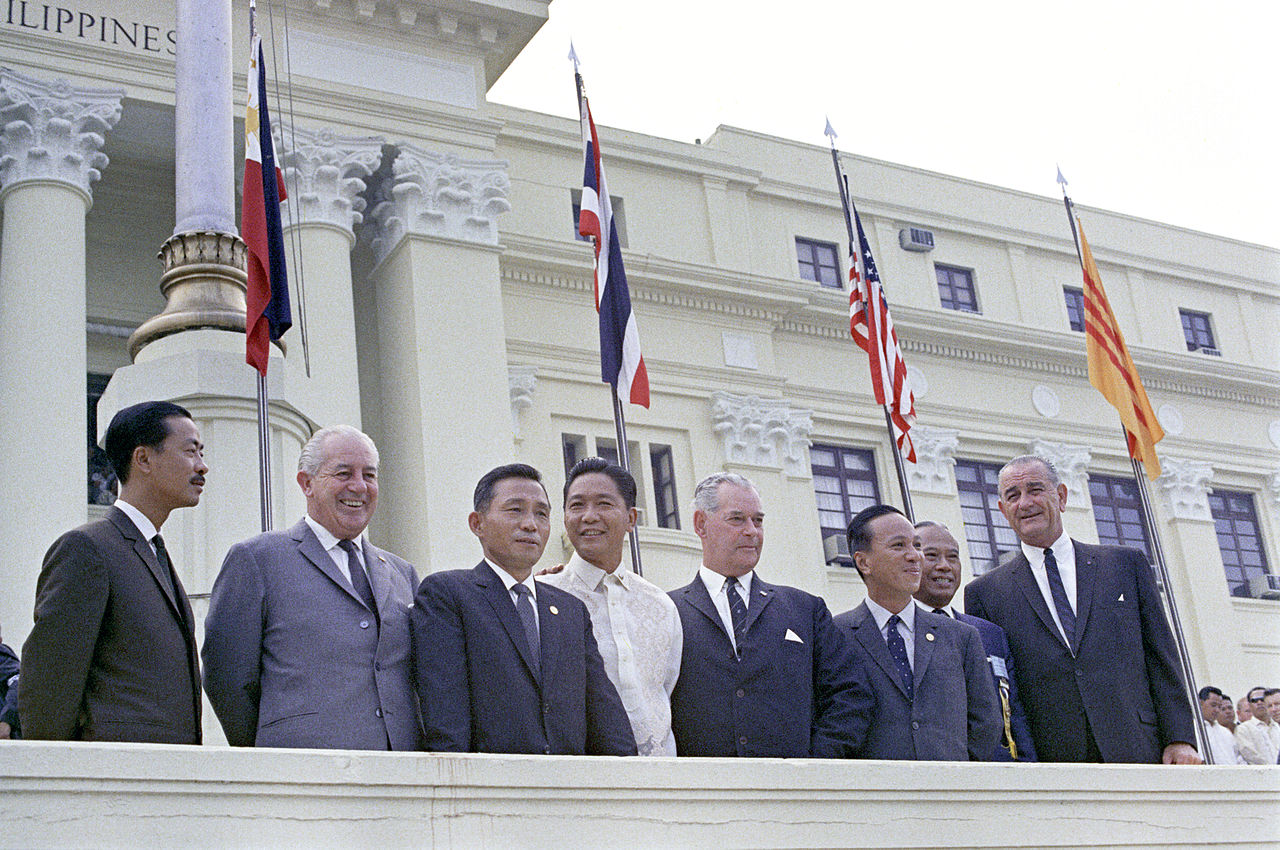


Early life and rise to power
Park was born in what is now Korea during the Japanese colonial period. As a young man he trained as a military officer and served in forces aligned with Japan during the imperial era. After Korea's liberation and the Korean War, Park advanced within the South Korean military. In May 1961 he led a coup that overthrew the civilian government, establishing a military-led administration that later transitioned to an elected presidency under his control.
Economic program and governance
Park is widely credited with initiating policies that turned South Korea from an agrarian economy into a rapidly industrializing, export-oriented one. His government emphasized heavy industry, infrastructure, and the creation of large business conglomerates (chaebol) through targeted planning and credit allocation. These policies produced sustained economic growth often called the "Miracle on the Han River," but they also concentrated economic power and created long-term structural patterns.
Authoritarian measures and the Yusin era
Politically, Park centralized authority. In 1972 he introduced the Yusin (Revitalizing Reform) Constitution, which expanded executive powers, restricted political opposition, and limited civil liberties. The administration used emergency measures, censorship, and security forces to suppress dissent and labor activism, drawing sustained criticism from domestic opponents and international observers for human-rights abuses.
Assassination and legacy
Park was assassinated in October 1979 by the director of the Korean Central Intelligence Agency during a private meeting. His death precipitated a period of political instability and later transitions to civilian rule. Historians and the public remain divided: many credit him with laying the economic foundations for modern South Korea, while others condemn his authoritarian methods and the curtailment of democratic institutions.
Notable facts and further reading
- Policy focus: export-led industrialization, infrastructure investment, and support for large conglomerates.
- Controversy: balancing rapid economic development with restrictions on political freedoms and civil rights.
- For more contextual information, see related resources.
Park Chung-hee remains a complex and contested figure in Korean memory: a leader whose policies transformed an economy and whose rule reshaped the country's political landscape.
Questions and answers
Q: Who was Park Chung-hee?
A: Park Chung-hee was a dictator who ruled South Korea from 1961 until he was assassinated.
Q: When was Park Chung-hee born?
A: Park Chung-hee was born on November 14, 1917.
Q: When did Park Chung-hee die?
A: Park Chung-hee was assassinated on October 26, 1979.
Q: What was Park Chung-hee's penname?
A: Park Chung-hee's penname was Jungsu (중수;中樹).
Q: Why was Park Chung-hee named one of the top 100 Asians of the Century by Time Magazine?
A: Park Chung-hee was named one of the top 100 Asians of the Century by Time Magazine in 1999 for his contributions to the development of South Korea.
Q: What was Park Chung-hee severely criticized for?
A: Park Chung-hee was severely criticized for his government's brutality, especially after 1971.
Q: What is the significance of Park Chung-hee being named one of the top 100 Asians of the Century?
A: Park Chung-hee being named one of the top 100 Asians of the Century highlights his impact on South Korea's development as a nation. However, it does not negate the criticisms of his government's brutality.
Author
AlegsaOnline.com Park Chung-hee: South Korean leader, economic architect and authoritarian ruler Leandro Alegsa
URL: https://en.alegsaonline.com/art/128042