
Prime Minister of South Korea
Overview of the Prime Minister of the Republic of Korea: role, appointment, powers, historical context, and how the office differs from parliamentary prime ministers.
The Prime Minister of the Republic of Korea (국무총리, 國務總理) is the senior cabinet member appointed to assist the President in managing state affairs. The office is created by the Constitution of South Korea to support and coordinate executive functions, but it does not serve as the head of government in the way a parliamentary prime minister does. The Prime Minister normally acts as the President's principal deputy and is accountable to both the President and the legislature.
Image gallery
10 Images

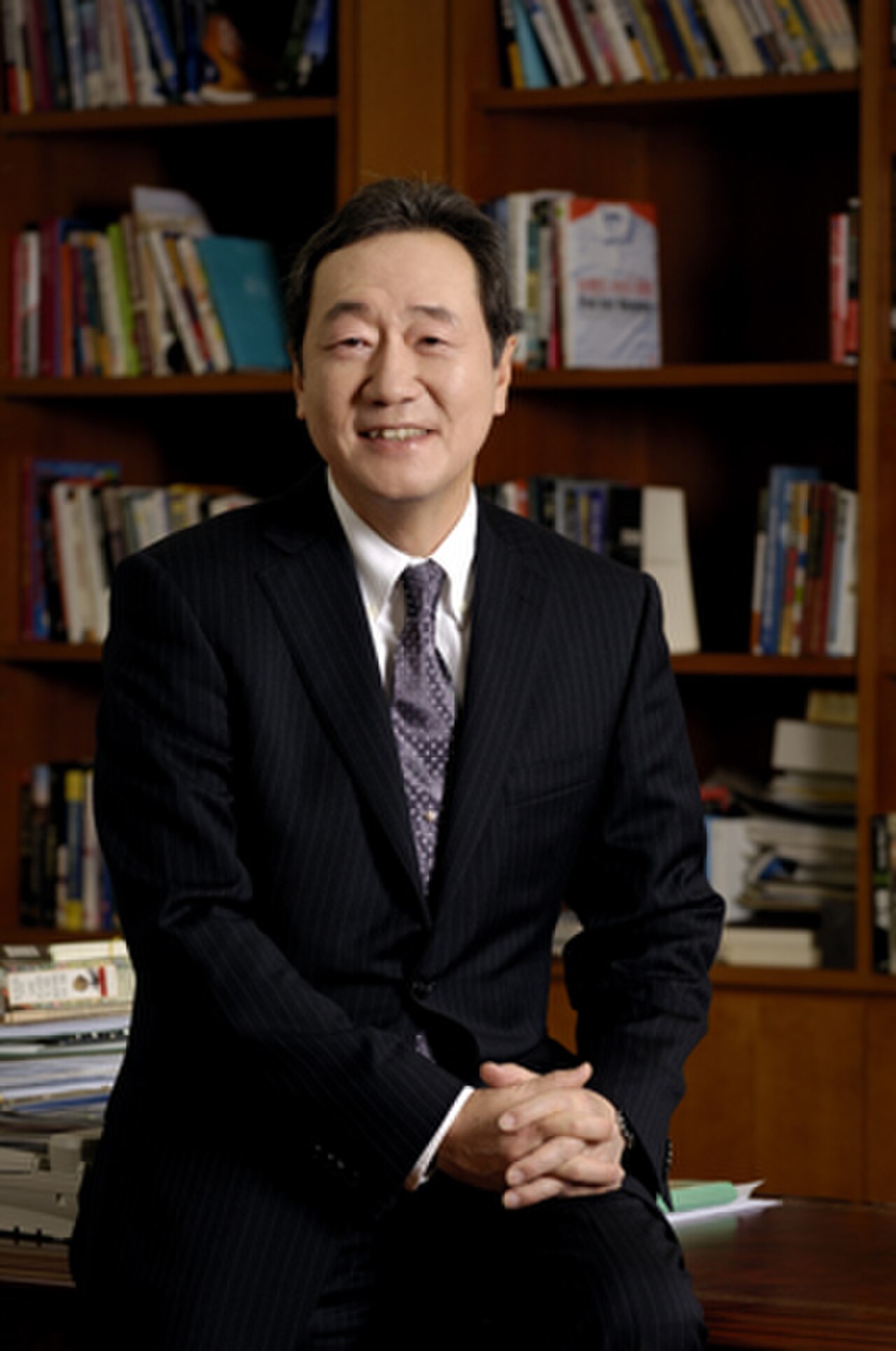


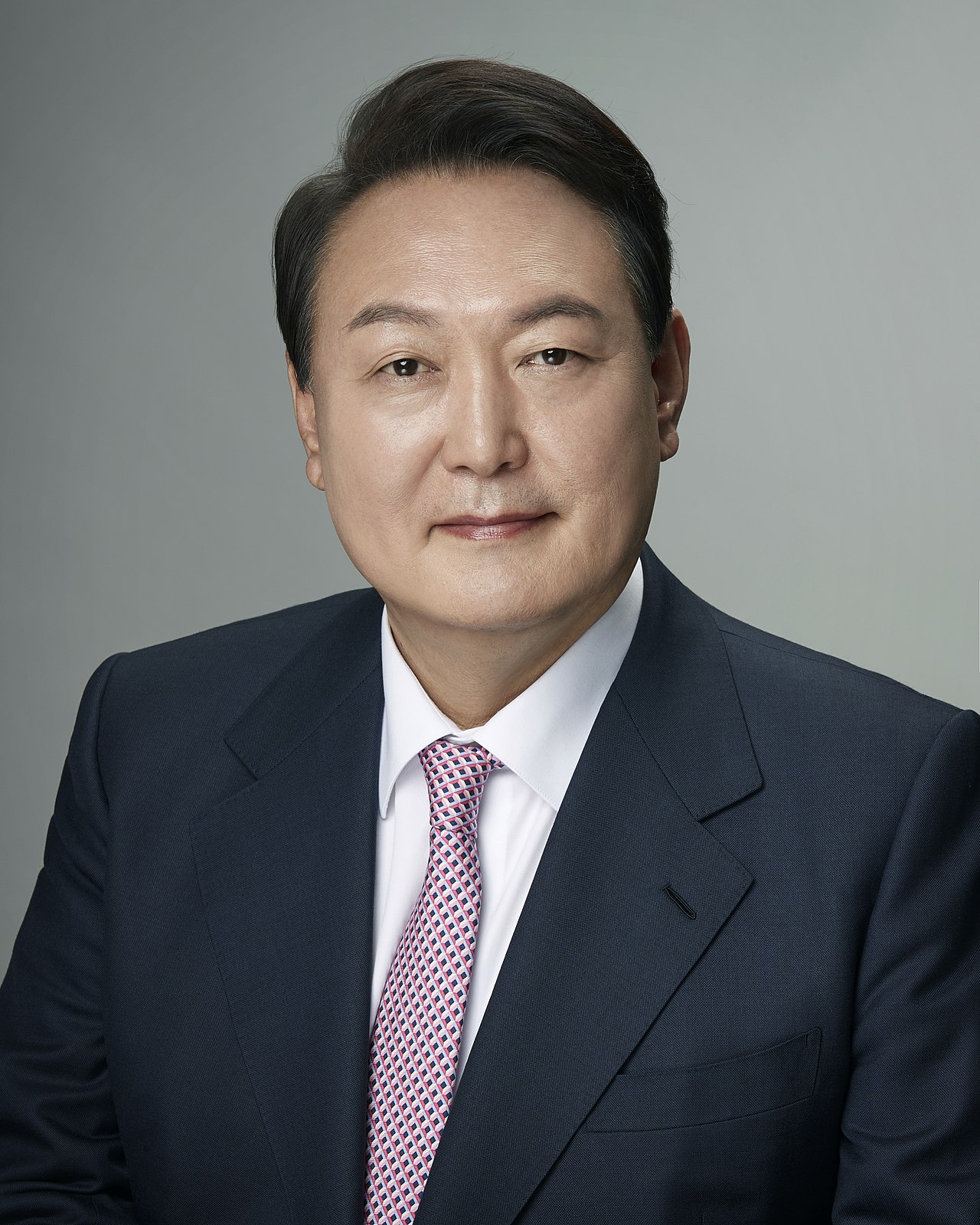


Appointment and relationship with other institutions
The Prime Minister is nominated by the President and must receive confirmation from the National Assembly. The officeholder is not required to be a sitting member of the legislature. While the Prime Minister plays a central role within the executive branch, the position is distinct from the formal head of government in parliamentary systems: executive authority remains concentrated in the Presidency under South Korea's constitutional framework.
Name and terminology
The Korean title 국무총리 combines Sino-Korean elements: gungmu (국무/國務), meaning "state affairs," and chongni (총리/總理), usually rendered as "prime minister." Related English terms such as premier and chancellor are sometimes used for translation, but "Prime Minister" is the conventional English designation for the office.
Typical duties and powers
- Coordinate ministries and government agencies to implement the President's agenda.
- Chair or preside over cabinet meetings in the President's absence and help set administrative priorities.
- Oversee routine administration, propose governmental personnel appointments, and act as a point of liaison with the National Assembly.
- Lead crisis-management efforts when delegated by the President, and represent the executive in domestic forums as authorized.
Organisation and deputies
The Prime Minister is supported by vice premiers and deputy prime ministers who often carry specific portfolios (for example, economic policy or education) and by ministers heading individual departments. Those deputies are usually senior cabinet ministers who coordinate cross-cutting policy areas and act on behalf of the Prime Minister when needed.
Historical context and significance
The post was established with the founding of the modern South Korean state and has evolved within a presidential system in which the President is the dominant political figure. Over different administrations the practical importance of the Prime Minister has shifted—sometimes serving as a powerful coordinator of policy and at other times functioning more as a ceremonial deputy. Political crises, cabinet reshuffles, and the need for legislative cooperation have all shaped how successive officeholders have used the role.
Distinctive features and comparisons
Key distinctions separate South Korea's Prime Minister from peers in parliamentary systems: the office is appointed rather than deriving authority from legislative majority, it lacks sole claim to head-of-government status, and it operates within a presidency-centered executive. Nevertheless, the Prime Minister remains an influential figure in governance, particularly when entrusted with major policy coordination or during presidential absences.
Related articles
Author
AlegsaOnline.com Prime Minister of South Korea Leandro Alegsa
URL: https://en.alegsaonline.com/art/79103