
Oliver Sacks (1933–2015): neurologist, clinician, and popular science writer
British-born neurologist and author Oliver Sacks combined clinical case studies with literary insight. He wrote Awakenings and The Man Who Mistook His Wife for a Hat and influenced public understanding of the brain.
Overview
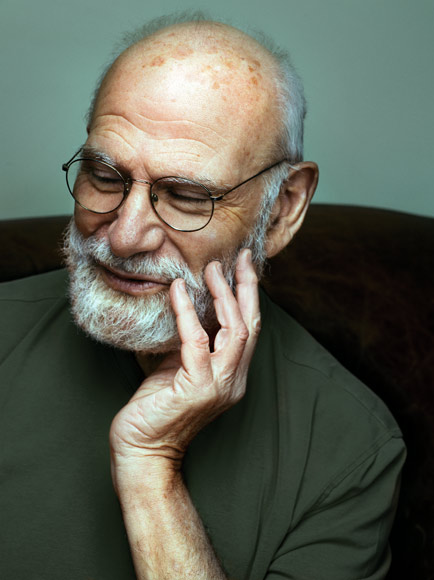
Oliver Wolf Sacks was a British-born physician and writer whose case-based essays brought clinical neurology to a wide public audience. Trained in medicine and active mostly in the United States, he became known for vivid, humane descriptions of people with neurological disorders and for exploring what their symptoms reveal about mind and brain. He held academic posts and published numerous books that popularized neurology while maintaining close attention to individual patients' lived experience. Readers worldwide recognize his name chiefly from the book that inspired the film Awakenings and from a string of best-selling collections of clinical narratives.
Image gallery
6 Images


Life and career
Sacks was born in London in 1933 into a family of Jewish heritage and received his early education in Britain. He studied natural sciences and medicine at Cambridge and Oxford before moving to the United States, where he pursued neurology and clinical work. He served as a clinician and educator, eventually becoming Professor of Neurology at New York University graduate school and holding an affiliation with NYU medical programs. Although widely celebrated as a writer, he continued to see patients and to base much of his literary output on clinical practice.
Major works and contributions
Sacks wrote case histories that read like literature while remaining grounded in neurological observation. Among his best-known books are Awakenings, which recounts his treatment of survivors of encephalitis lethargica with the drug L‑DOPA and inspired the 1990 film Awakenings in which he was portrayed by Robin Williams (actor). Other influential volumes include The Man Who Mistook His Wife for a Hat, An Anthropologist on Mars, Musicophilia, and Hallucinations. These works explored themes such as perception, identity, the neurological basis of creativity, and the ways in which brain disorders illuminate normal cognition.
Style, approach, and influence
Sacks blended rigorous clinical description with empathy and literary sensitivity. He favored detailed narrative accounts of individual patients rather than abstract summaries of statistics. This approach made complex neurological phenomena accessible to non-specialist readers and helped to humanize people labeled by their disorders. His writing influenced clinicians, students, and the general public, shaping contemporary perceptions of conditions such as aphasia, agnosia, and movement disorders.
Selected facts and bibliography
- Born in London, England; educated at institutions including Cambridge and Oxford (London, England).
- Honored with distinctions during his career, including a British order (CBE) honor.
- Wrote about identity and sexuality later in life in his memoir On the Move, where he discussed his homosexuality and personal history.
- Reported as an amateur chemist in earlier years and known for cross-disciplinary curiosity (background).
- Worked clinically in New York City and maintained strong ties to therapeutic practice (New York) and academic medicine (NYU).
Illness, death, and legacy
In 2015 Sacks announced a diagnosis of metastatic uveal melanoma that had spread to his liver and described it as terminal medical news. He died later that year from complications related to liver cancer (death). His passing prompted widespread reflection on the role of narrative in medicine, and his books continue to be used in medical humanities programs and read by anyone interested in the workings of the human brain. For further reading and archival material, see profiles and tributes across journalism and academic sources (England), (heritage), and institutional pages (film connection). Additional resources and interviews are available for readers seeking a deeper view (background), (film), (personal), and (memoir).
Further reading
For an introduction to his case narratives and clinical insights, start with collections such as The Man Who Mistook His Wife for a Hat and An Anthropologist on Mars. For the historical episode that brought him public attention, read Awakenings and consider watching the dramatized film adaptation for a cultural perspective. Sacks's writing remains a touchstone for anyone interested in neurology, medical ethics, and the human stories behind diagnoses.
Author
AlegsaOnline.com Oliver Sacks (1933–2015): neurologist, clinician, and popular science writer Leandro Alegsa
URL: https://en.alegsaonline.com/art/127868