
Robin Williams: Life, Career, and Cultural Legacy
Overview of Robin Williams — American actor and comedian known for rapid improvisation, landmark TV and film roles, awards, personal struggles, and lasting cultural impact.
Robin McLaurin Williams (July 21, 1951 – August 11, 2014) was an American actor and stand-up comedian celebrated for his quick improvisational wit, wide emotional range, and an ability to move between broad comedy and serious drama. He gained national attention in the late 1970s and built a diverse career spanning television, film, voice work, and live performance.
Image gallery
10 Images
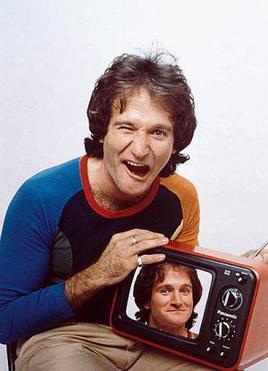
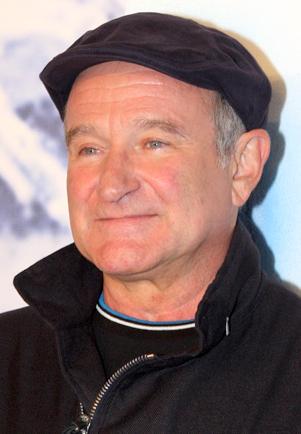


Early career and breakthrough
Williams trained in acting and performed with improvisational groups before breaking out on television. His energetic, unpredictable style made him a perfect fit for the sitcom Mork & Mindy, which introduced him to a wide audience and established his public persona. Beyond television, he continued to refine his stand-up act and to take on varied theatrical and screen roles.
Major film work and range
Across decades he moved between comic and dramatic parts, earning critical praise for several performances. Notable films include:
- Good Morning, Vietnam (a comic-radio DJ role that showcased his improvisational talent)
- Dead Poets Society (a passionate teacher in a thoughtful drama)
- Aladdin (voice of the Genie, a landmark in animated film voice work)
- Mrs. Doubtfire (a blend of comedy and heartfelt family drama)
- Good Will Hunting (supporting role that earned him an Academy Award)
Personal life, health, and death
Williams was open about struggles with addiction and periodically sought treatment. He was admired for his generosity and charitable work, while also facing private health challenges in later years. On August 11, 2014, he was found dead at his home; his death was determined to be a suicide by asphyxiation. Subsequent medical examination identified degenerative neurological changes that have since been discussed in accounts of his final years.
Legacy and influence
Robin Williams is remembered for his incandescent comic gifts, emotional depth as a dramatic actor, and influence on generations of performers. He received major industry recognition during his career and remains widely cited in discussions of improvisation, character work, and the interplay between public humor and private struggle. His work continues to be celebrated in retrospectives, collections, and by performers who cite him as an inspiration.
Questions and answers
Q: Who was Robin McLaurin Williams?
A: Robin McLaurin Williams was an American actor and stand-up comedian.
Q: When was he born?
A: He was born on July 21, 1951.
Q: What television show did he first become famous on?
A: He first became famous on the television show Mork and Mindy.
Q: How many movies did he star in?
A: He starred in many movies.
Q: When did he die?
A: He died on August 11, 2014.
Q: How did he die? A: His death was believed to have been a suicide by asphyxiation.
Author
AlegsaOnline.com Robin Williams: Life, Career, and Cultural Legacy Leandro Alegsa
URL: https://en.alegsaonline.com/art/129865