
Olaudah Equiano (Gustavus Vassa): Life, Writings, and Abolitionist Influence
Autobiographer and former slave Olaudah Equiano (c.1745–1797) wrote The Interesting Narrative, campaigned against the slave trade, and worked as a sailor, merchant and explorer across the Atlantic world.
Overview
Olaudah Equiano (c.1745–31 March 1797), also known by the name Gustavus Vassa, was an African-born writer, traveller and prominent voice in the British campaign to abolish the transatlantic slave trade. Kidnapped in childhood and sold into slavery, he eventually purchased his freedom and settled in Britain, where he became active in abolitionist circles and in commerce. His life combined practical seafaring experience with a written account that reached wide public attention in the late 18th century.
Image gallery
6 Images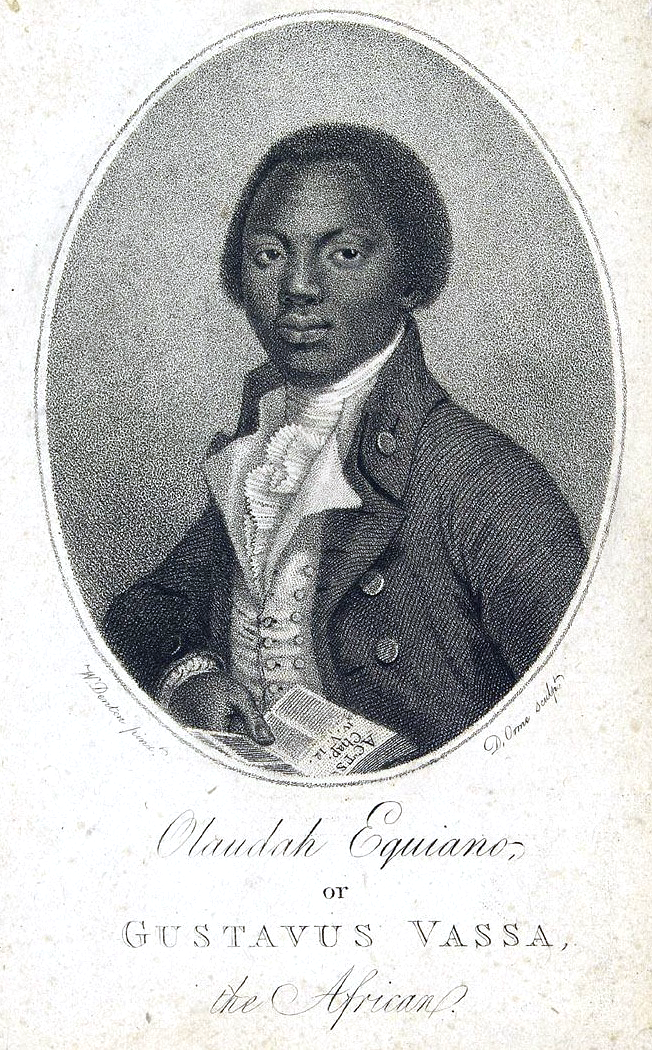


Life and travels
Equiano spent his early years in servitude but later worked on Royal Navy and merchant ships, taking part in voyages to the Caribbean, North and South America and to northern expeditions. These travels gave him knowledge of maritime trade, navigation and the conditions of enslaved people across different regions. He described voyages and ports in personal detail and later used those experiences as evidence in abolitionist arguments. For his roles he is variously described as a sailor, merchant and explorer.
Writings and public influence
His best-known book, published in 1789 as The Interesting Narrative of the Life of Olaudah Equiano, combined autobiography, travelogue and political testimony. The Narrative offered one of the earliest and most widely read first-person accounts of enslavement, transport and life as a freed man; it reached British and international audiences and was frequently cited by activists campaigning for legislative change. The work is commonly credited with influencing public opinion and debates that contributed to the passage of the Slave Trade Act of 1807.
Activism and associations
After gaining his freedom, Equiano allied with abolitionist societies and literary networks in London, contributing articles, petitions and public testimony. He associated with groups of African and African-descended activists who pressed Parliament and the public for reform. His narrative served both as a moral appeal and as documentary evidence about the realities of the slave trade, and he continued to promote the cause until his death in 1797.
Notable works and voyages
- Autobiography: The Interesting Narrative of the Life of Olaudah Equiano is his principal published work and the main source for his life story. Original editions circulated among abolitionist readers.
- Voyages: Accounts of service and travel to the Caribbean, the American colonies and northern expeditions appear throughout his narrative and in contemporary references; see reports linked to South America, the Caribbean and the Arctic.
- Public role: He is associated with campaigns and petitions for the abolition of the slave trade and exchanged correspondence with supporters and politicians (literary, commercial and political ties).
Legacy and distinctions
Equiano is remembered as one of the earliest and most influential Black British authors and as a central figure in the late 18th-century abolitionist movement. Scholars continue to study his narrative for its literary qualities, historical testimony and the way it shaped debates about slavery and human rights. For further reading see collections and annotations that discuss his life, writings and impact on the Atlantic world (American colonies, United Kingdom, and modern commentary on northern voyages).
Additional material, source editions and archival documents are available through specialist repositories and annotated editions; introductory guides and bibliographies can be found via general reference links to abolitionist history and edited texts (abolition background, voyage records, Caribbean contexts, and manuscript collections related to his correspondence).
Author
AlegsaOnline.com Olaudah Equiano (Gustavus Vassa): Life, Writings, and Abolitionist Influence Leandro Alegsa
URL: https://en.alegsaonline.com/art/127835