
The Interesting Narrative of the Life of Olaudah Equiano
Autobiography first published in 1789 recounting Olaudah Equiano's life in slavery, his self-education and business career, and its influence on the British abolition movement.
Overview
The Interesting Narrative of the Life of Olaudah Equiano, also published under the name Gustavus Vassa, is a late 18th‑century autobiography first released in 1789. It presents a first‑person account of capture, enslavement, the transatlantic voyage, and eventual freedom. Equiano's book was written to inform a British readership about the human realities of slavery and to support the growing campaign against the slave trade.
Image gallery
2 Images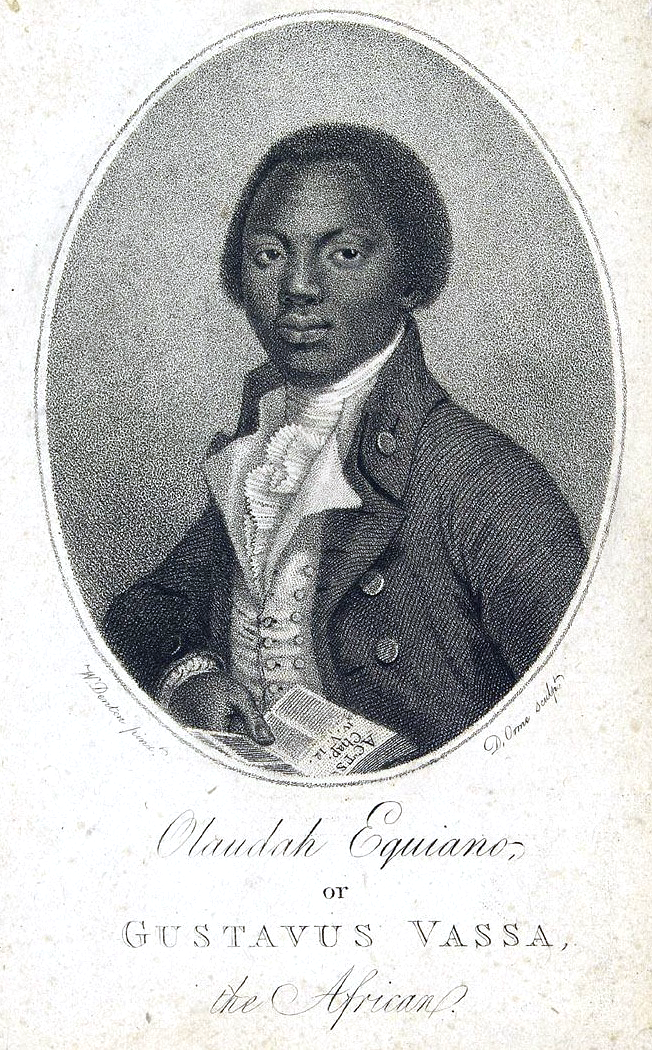

Contents and themes
The narrative mixes personal memory, travel writing and moral reflection. It follows a life shaped by forced displacement and seafaring work, describes the horrors of the Middle Passage, and recounts how the author learned to read, studied the Bible, and sought legal and financial means to obtain his liberty. Prominent themes include faith and conversion, self‑education, economic independence, and appeals to common humanity.
Structure and notable passages
Rather than a dry chronicle, the work offers vivid scenes of life aboard ships and in various ports, commercial activities, and encounters with different cultures. Readers will find accounts of religious experience and moral argument intended to persuade as well as to chronicle. Extracts from the book were often reprinted by abolitionist societies to illustrate the cruelty of enslaving people.
Historical context and reception
Published in Britain at a time of intense debate over the slave trade, the narrative reached a wide audience and had considerable influence on public opinion. It was used by abolitionist campaigners and underwent multiple editions and translations. While contemporary readers praised its moral force, modern scholars have both celebrated its eyewitness testimony and examined it as a crafted text shaped for a particular public.
Authorship and scholarly questions
Equiano identified himself as an African who was kidnapped in childhood; his autobiography names places, people, and voyages. In later research some historians have explored discrepancies between archival records and Equiano's account and debated details of his early life. These scholarly discussions do not diminish the book's significance as an influential voice in antislavery literature.
Legacy and significance
The book remains a foundational work in the genre of slave narratives and in British abolition history. It helped humanize enslaved people to metropolitan readers, influenced legislative and popular campaigns, and contributed to evolving ideas about rights and freedom. For further reading, consult editions and analyses that collect primary text and commentary.
Key points
- Autobiographical memoir: a personal account intended to persuade and to record.
- Published: 1789 in Britain; multiple editions followed.
- Themes: faith, literacy, commerce, and the moral case against slavery.
- Use in abolition: cited by campaigners and widely read in the public sphere.
Primary and secondary sources include modern editions of the narrative and scholarly studies. For the original text see the published narrative, for the genre context see resources on autobiographical slave narratives at related collections, for information on Equiano himself see biographical entries at profiles of Olaudah Equiano, for background on slavery refer to general overviews at sources about slavery, and for references to religious influence see discussions of Biblical reading in the period at studies of faith and emancipation.
Related articles
Author
AlegsaOnline.com The Interesting Narrative of the Life of Olaudah Equiano Leandro Alegsa
URL: https://en.alegsaonline.com/art/98210