
Nigel Lawson, Baron Lawson of Blaby
British Conservative politician and former Chancellor of the Exchequer (1983–1989). Prominent in 1980s economic reform, later a life peer, public commentator and father of Nigella Lawson.
Overview
Nigel Lawson (born 11 March 1932) is a British public figure best known for his role in national government during the 1980s. He is British by nationality and a long-standing member of the Conservative tradition. Often described simply as a politician, Lawson was born in Hampstead in London and is from a family of Jewish descent. His career spans journalism, front-bench politics and later public advocacy.
Image gallery
3 Images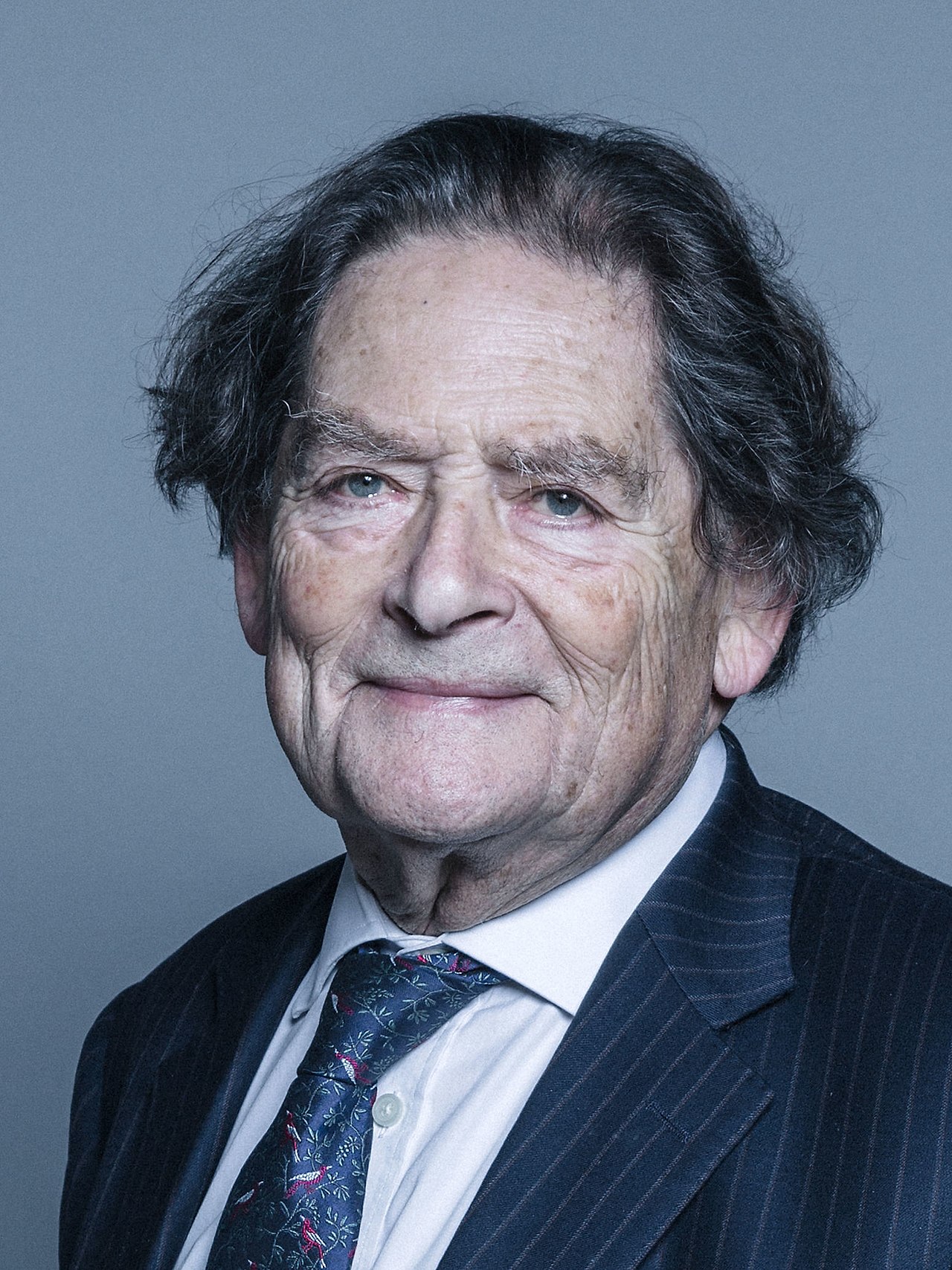


Early life and education
Lawson received his formal schooling at educational institutions including Westminster School and later studied at Christ Church, Oxford. At university he read a combined course in Philosophy, Politics and Economics, a background that informed both his later economic philosophy and political positions. Before entering Parliament he worked in the media and was active as a journalist during the 1960s, contributing to public debate on economic and political matters.
Political career
Lawson served as a Member of Parliament from the mid-1970s until the early 1990s. He is most widely recognised for his period as Chancellor of the Exchequer from 1983 to 1989, when he played a central role in tax reform, measures to curb inflation and moves toward financial deregulation. His time at the Treasury coincided with broader supply-side reforms and changes in the relationship between monetary policy and fiscal priorities. He resigned from the Cabinet in 1989 amid policy differences with colleagues and the prime minister, and was created a life peer in 1992, joining the House of Lords.
Later activity and public roles
After leaving frontline politics, Lawson remained an active commentator on economic and public policy. He participated in debates about taxation, regulation and Britain’s place in Europe, and later engaged with energy and climate policy discussions. In public life he combined parliamentary contributions with journalism, occasional broadcasting, and involvement in several policy forums and foundations.
Family
Lawson has six children and several grandchildren. Notable among his children are:
- Dominic Lawson, who pursued a career in journalism.
- Thomasina, who died after an illness related to breast cancer.
- Nigella Lawson, a well-known food and television writer and broadcaster.
- Other children include Horatia, Tom and Emily, who have largely maintained private lives.
Legacy and notable facts
Nigel Lawson’s legacy is linked to the economic direction Britain took in the 1980s: emphasis on lower direct taxation, tighter monetary control of inflation and a move towards financial market liberalisation. He remains a polarising figure for supporters who credit him with modernising the economy and for critics who highlight the social impacts of rapid deregulation. As a life peer he continued to shape debate through speeches and writings, leaving a visible imprint on late 20th-century British economic history.
Author
AlegsaOnline.com Nigel Lawson, Baron Lawson of Blaby Leandro Alegsa
URL: https://en.alegsaonline.com/art/127657