
Mily Balakirev
Russian composer, pianist and leader of the nationalist group known as The Five; influential mentor who promoted Russian folk elements in 19th-century classical music.
Overview
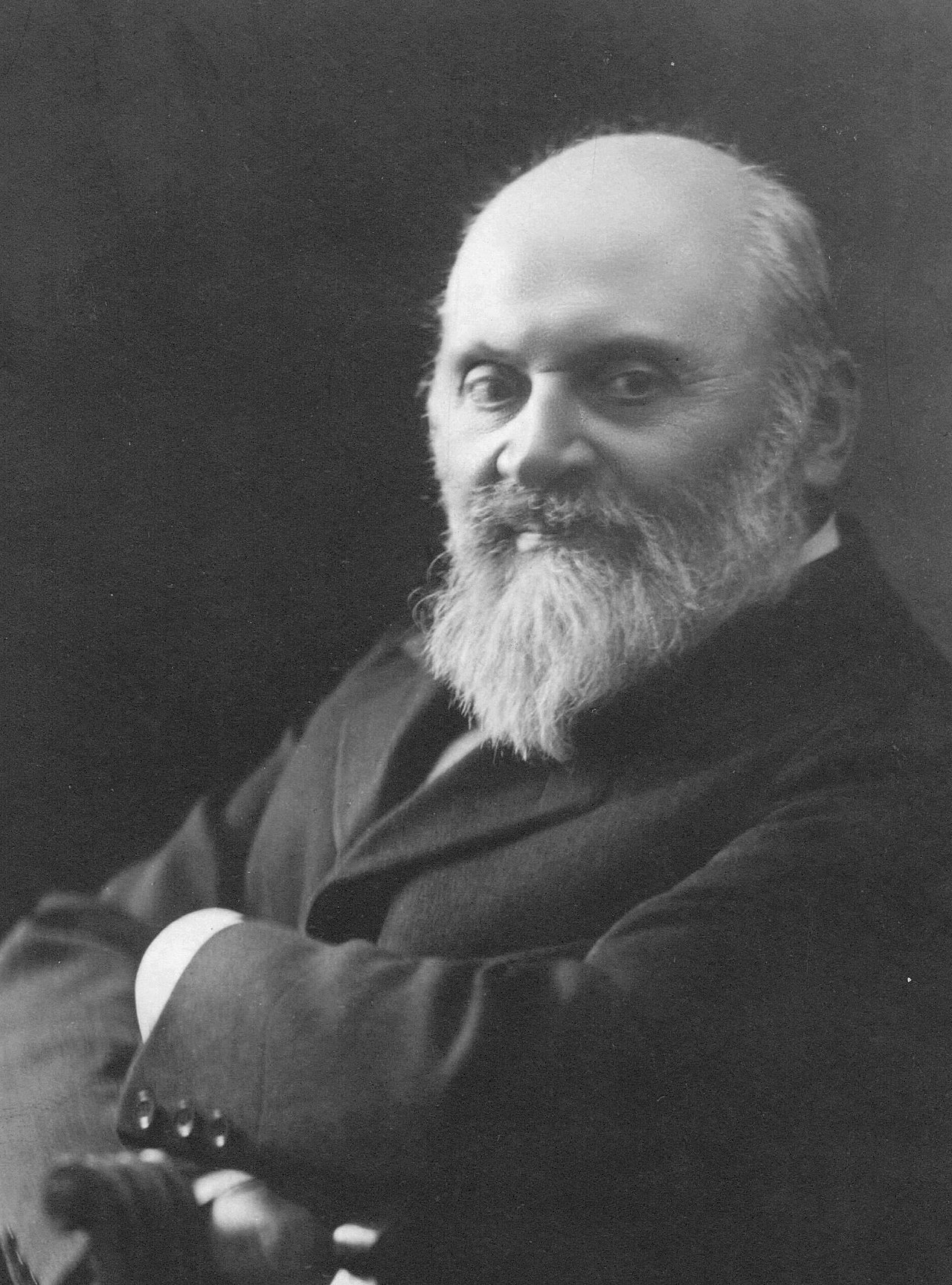
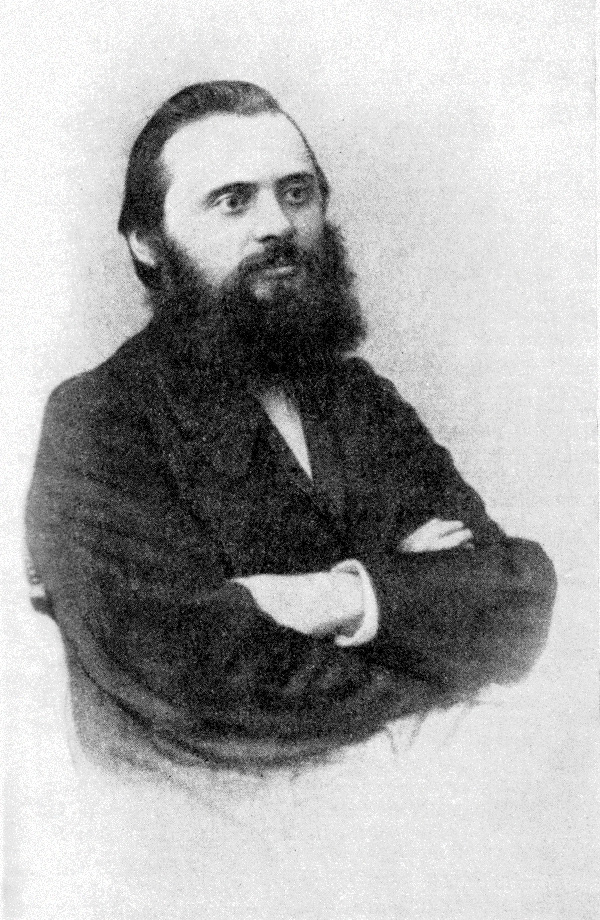
Mily Alexeyevich Balakirev (1837–1910) was a Russian composer, pianist and conductor who played a central role in the emergence of a distinct Russian musical school in the 19th century. He is best known as the chief inspirer of the circle of composers often called The Five or the "Mighty Handful," a group that aimed to create music rooted in Russian folk and national traditions rather than Western academic models. For a concise biography and broader context see composer overview.
Image gallery
10 Images





Musical style and characteristics
Balakirev championed national melodies, modal harmonies and colorful orchestration. His writing favored memorable theme-making, frequent use of folk-like motifs and an interest in exotic or oriental subjects that reflected Russia's cultural diversity. Critics and historians have noted his balance of rigorous structure with lyrical freedom; listeners can find both contrapuntal discipline and spontaneous-sounding tunes in his works. Further discussion of his technique and influence is available at analytical resources and stylistic studies.
The Five and mentorship
Balakirev was the acknowledged leader of the informal circle that included Modest Mussorgsky, Nikolai Rimsky-Korsakov, Alexander Borodin and César Cui. He mentored these younger composers, encouraged them to draw on folk material and offered practical guidance on form, orchestration and revision. Individual profiles and connections can be explored via links for Mussorgsky, Rimsky-Korsakov, Borodin and César Cui.
Notable works and genres
Balakirev's output includes orchestral pieces, piano music, choral works and art songs. Among piano repertoire he is particularly remembered for the virtuoso showpiece Islamey, which became a benchmark of technical difficulty and a vehicle for pianistic bravura. He also wrote orchestral overtures and tone poems that foreground Russian themes and national color. Selected lists and recordings can be consulted at entries for orchestral works and piano and solo music.
Career phases and historical role
Balakirev's career had distinct phases: early leadership and advocacy for a national style, followed by periods of reduced output and interrupted activity, and later renewed composition and editing. He collected and arranged folk songs and acted as a kind of gatekeeper for the emergent Russian repertoire, sometimes exercising a strict and exacting influence on younger colleagues. His combination of musical idealism and uncompromising standards left a mixed but lasting mark on Russian musical life.
Legacy
Though not as frequently performed as some of his followers, Balakirev is remembered for setting the agenda of Russian musical nationalism and for mentoring composers who went on to international prominence. His advocacy for indigenous melodies and his formative role in The Five secure his place in histories of 19th-century music. For further reading and source material about his life and works, consult the linked resources above and specialist studies on Russian musical nationalism.
Author
AlegsaOnline.com Mily Balakirev Leandro Alegsa
URL: https://en.alegsaonline.com/art/127080