
Alexander Borodin — Russian Composer and Chemist
Alexander Borodin (1833–1887), Russian Romantic composer and chemist. A member of 'The Five', he balanced a scientific career with composing—best known for Prince Igor, the Nocturne from String Quartet No.2 and two symphonies.
Overview
Alexander Porfir'yevich Borodin (born October 12, 1833; died February 27, 1887, St. Petersburg) was a Russian Romantic composer and a practicing chemist. He occupies an unusual place in 19th-century culture as both a respected scientist and an accomplished musician. While he never held composition as his primary profession, his musical output earned lasting recognition for its strong melodic gift and national character.
Image gallery
6 Images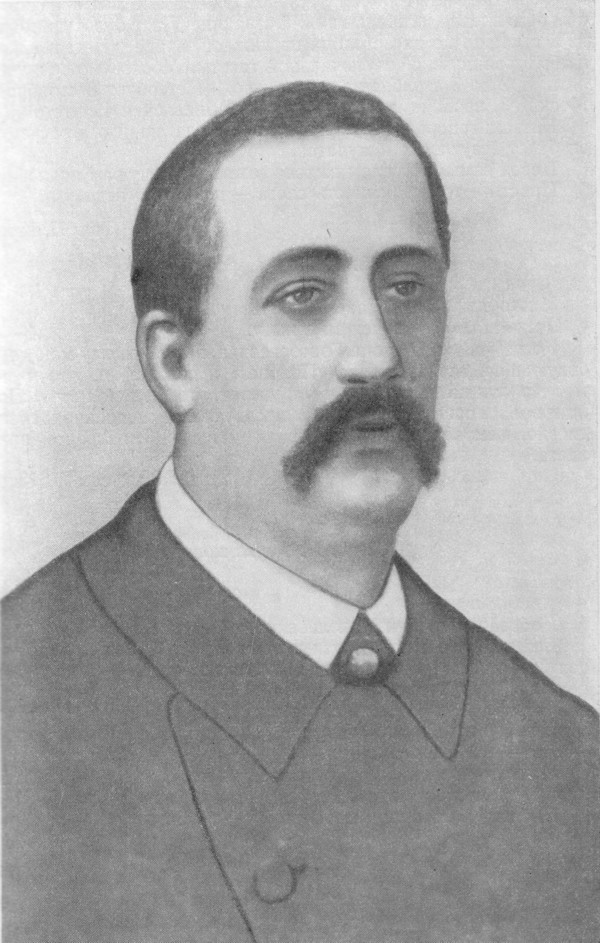


Life and dual career
Borodin trained and worked as a chemist and served as a professor in St. Petersburg. He made substantive contributions to chemical education and research while teaching and conducting laboratory work. Parallel to his scientific career he wrote music in the time left by his professional duties, composing chamber, orchestral and stage works. He famously balanced both activities and often composed in brief stretches of spare time. Friends recalled his wry sense of humor; one anecdote reports he jokingly preferred being ill because it freed him to compose.
Musical style and major works
Borodin’s music is noted for lyrical melodies, warm sonorities and occasional use of oriental or folk-inspired elements. He favored clear, singable themes and often wrote music that evokes wide landscapes and heroic characters. His principal surviving works include two symphonies, a number of songs and chamber pieces, the String Quartet No. 2 (whose famous Nocturne is widely performed), the symphonic poem "In the Steppes of Central Asia," and the opera Prince Igor, from which the well-known Polovtsian Dances are drawn. The opera was left incomplete at his death and was later prepared for performance by colleagues.
Affiliations and influence
Borodin was associated with a circle of Russian composers who sought to create a distinct national style in the 19th century. That group encouraged the incorporation of folk melodies, modal harmonies and programmatic subjects. His melodic gift influenced later composers and some of his themes entered popular culture in the 20th century; for example, tunes from his chamber music and opera were adapted in stage and film contexts. His work remains an important bridge between academic composition and patriotic musical expression.
Representative list of works
- Prince Igor (operatic fragments and the Polovtsian Dances)
- Symphony No. 1 and Symphony No. 2 (orchestral)
- String Quartet No. 2 (Nocturne and Scherzo)
- In the Steppes of Central Asia (symphonic poem)
- Various songs and smaller chamber pieces
Legacy
Borodin is remembered both for the quality and immediacy of his melodies and for his unusual career as a scientist-composer. His music is frequently programmed alongside other Russian Romantic works and his chamber pieces remain staples of string quartet repertoires. Histories of Russian music cite his contributions to national style and his membership in the group of composers that sought a distinctive Russian voice in art music.
For more detailed accounts of his life, works and scientific career see sources on his biography and collected works: biographies, studies of the 19th-century Russian musical scene context, accounts of his academic appointments and publications academic record, and specialized discussions of his chemistry research scientific work. Editions and analyses of Prince Igor and his chamber music are available in musicological literature operatic studies, song catalogs songs and lieder, chamber-music collections quartet editions and orchestral scores orchestral works. For recordings and performance guides consult discographies and program notes recordings. General overviews of his symphonies and chamber output can be found in reference works and introductions to Russian Romanticism reference and authoritative biographies further reading.
Related articles
Author
AlegsaOnline.com Alexander Borodin — Russian Composer and Chemist Leandro Alegsa
URL: https://en.alegsaonline.com/art/113642