
Mayan languages
A family of indigenous languages of Mesoamerica spoken by millions across Guatemala, Mexico, Belize and neighboring areas; known for deep historical roots, distinct grammar, and active revitalization.
The Mayan languages form a distinct family of indigenous languages native to Central America and the broader cultural area of Mesoamerica. Spoken today by roughly about six million people, the family includes dozens of related languages and varieties that remain important for local identity, culture, and communication in rural and urban communities.
Image gallery
10 Images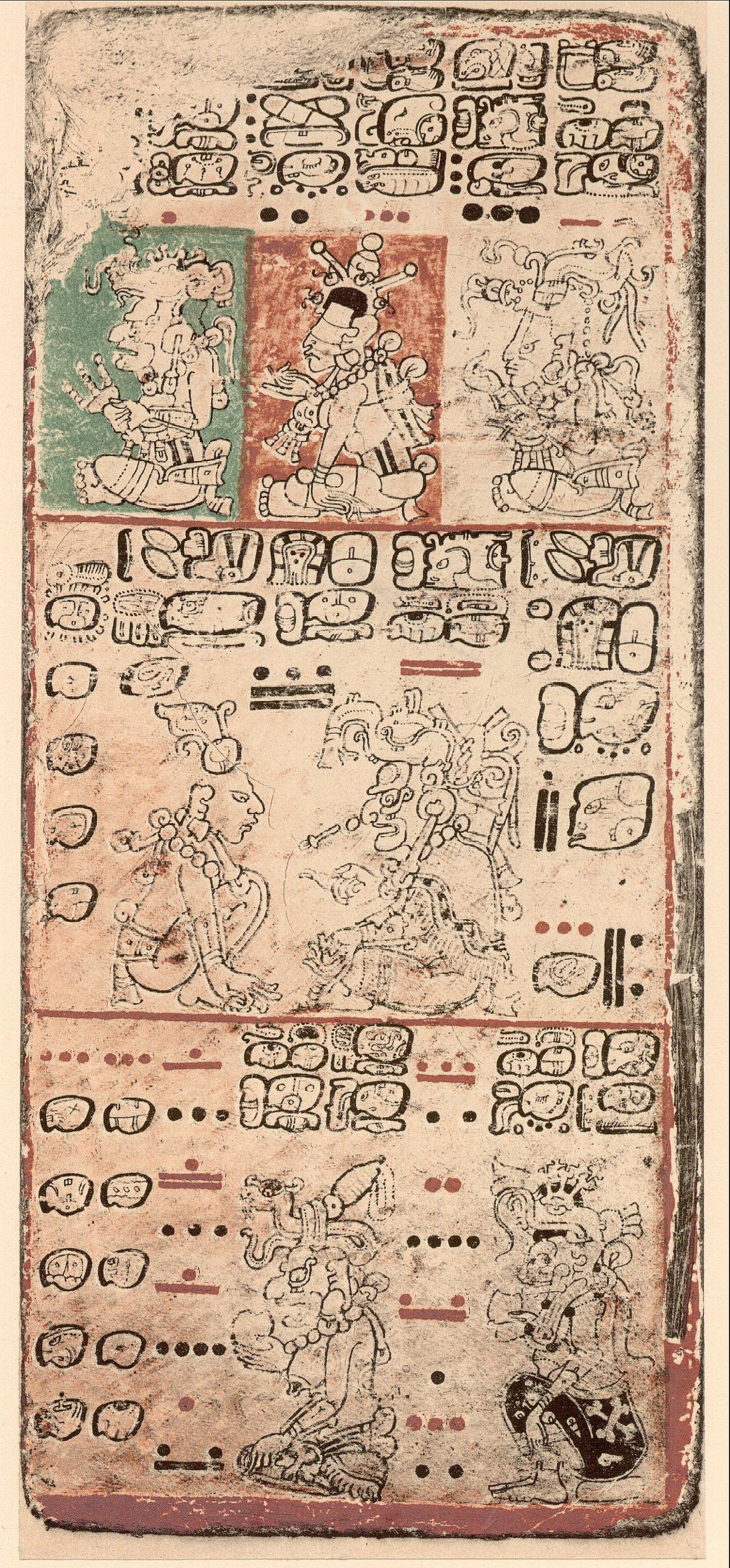


Distribution and recognition
Mayan languages are concentrated in highland and lowland regions of several countries. Significant speaker populations live in Guatemala, Mexico and Belize, with smaller communities in neighboring states. National policies vary: Guatemala formally recognized multiple Mayan languages in the 1990s and Mexico recognizes a number of them in its legal framework. Local and international organizations have supported bilingual education and cultural programs.
Characteristics
Although the specific sound systems and grammars differ across the family, Mayan languages share several typological traits. Common features include agglutinative morphology with affixal marking of person and aspect, a tendency toward verb-initial word orders (often VOS or VSO), and an ergative alignment in the grammar that affects how subjects and objects are marked. Phonological inventories frequently include glottalized consonants and a contrastive set of vowels, and many languages encode fine-grained aspect and mood distinctions.
Classification and historical development
Linguists group the family into several well-established branches, such as Yucatecan, Chʼolan–Tzeltalan, Qʼanjobʼalan, and Kʼichean–Mamean. These modern languages descend from a reconstructed ancestor called Proto‑Mayan, which comparative work suggests was spoken several millennia ago. The reconstruction of Proto‑Mayan and internal subgrouping have been major achievements of American historical linguistics.
Writing, documentation, and study
Mayan languages are among the most intensely documented indigenous languages of the Americas. The ancient Maya developed a complex hieroglyphic script used in inscriptions and codices; modern scholarship has deciphered large portions of this writing and studies continue to integrate epigraphy, archaeology, and linguistics. Contemporary documentation includes grammars, dictionaries, educational materials, and audio archives, and the family is widely represented in academic research and scholarly literature.
Contemporary importance and revitalization
Many Mayan languages remain vital in daily life, traditional practices, and community institutions, but degrees of vitality vary by language and region. Efforts to sustain and revive Mayan languages include bilingual schooling, media and radio programs in indigenous tongues, new literary and artistic production, and legal advocacy for language rights. These activities aim to support intergenerational transmission and to strengthen the role of Mayan languages in both local and national contexts.
- Overview: A coherent family with deep historical roots in Mesoamerica.
- Features: Agglutinative morphology, ergativity, verb‑initial tendencies.
- History: Descended from Proto‑Mayan; linked to Classic Maya civilization and script.
- Status: Millions of speakers today; active documentation and revitalization efforts.
For readers seeking further information, introductory resources and language-specific studies are available through academic and community publications, language institutes, and cultural organizations working with Maya speakers and scholars.
Author
AlegsaOnline.com Mayan languages Leandro Alegsa
URL: https://en.alegsaonline.com/art/126526