
Body-painting: techniques, traditions, and contemporary uses
Body-painting is the temporary application of color to human skin for art, ritual, performance, camouflage or celebration. Materials, cultural meanings and safety practices vary worldwide.
Overview
Body-painting is the temporary application of color, pattern or imagery to a living human surface, most commonly the skin. Unlike permanent tattooing, the pigments used are designed to be removed or to fade, with longevity ranging from a few hours to several weeks depending on materials and care. Artists and participants use the body as a canvas to express identity, tell stories, conceal or reveal form, or mark an occasion.

Image gallery
10 Images





Materials and techniques
Practitioners choose from a range of media. Water-based face and body paints are popular for short events because they wash off easily; alcohol- or silicone-based paints adhere longer and resist sweat. Airbrush systems can produce smooth gradients and photographic detail, while brushes and sponges allow more tactile marks. Special effects materials include metallic pigments, cosmetic glitters and fluorescent paints that react under blacklight. Proper removal and skin-safe formulations are important for health and comfort.

History, traditions and regional forms
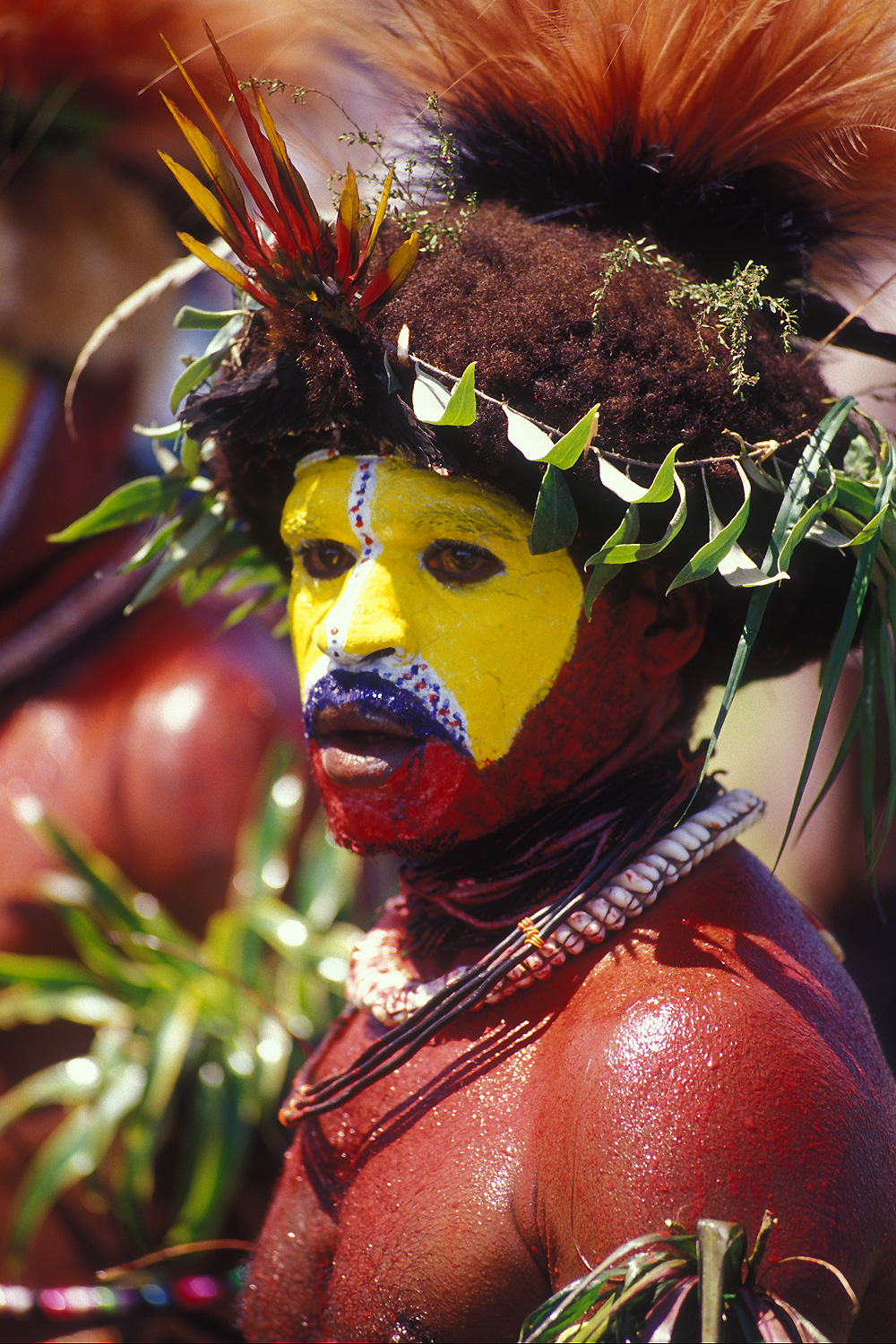
Across cultures and eras, painting the body has been part of ritual life, performance and visual culture. Ceremonial body decoration appears in indigenous rites, coming-of-age practices and martial preparations. Stage traditions and folk dramas often use painted faces or full-body patterns to signal character and status; similar techniques serve in ritual contexts such as festivals and processions. Specific practices vary greatly by region; for example, tribal body art remains a living cultural language in some parts of Melanesia, including Papua New Guinea, while classical performance traditions in other areas use highly codified painted masks and faces.

Uses and examples
- Fine art and performance: artists create single works or live painting performances that explore form, illusion and narrative (art).
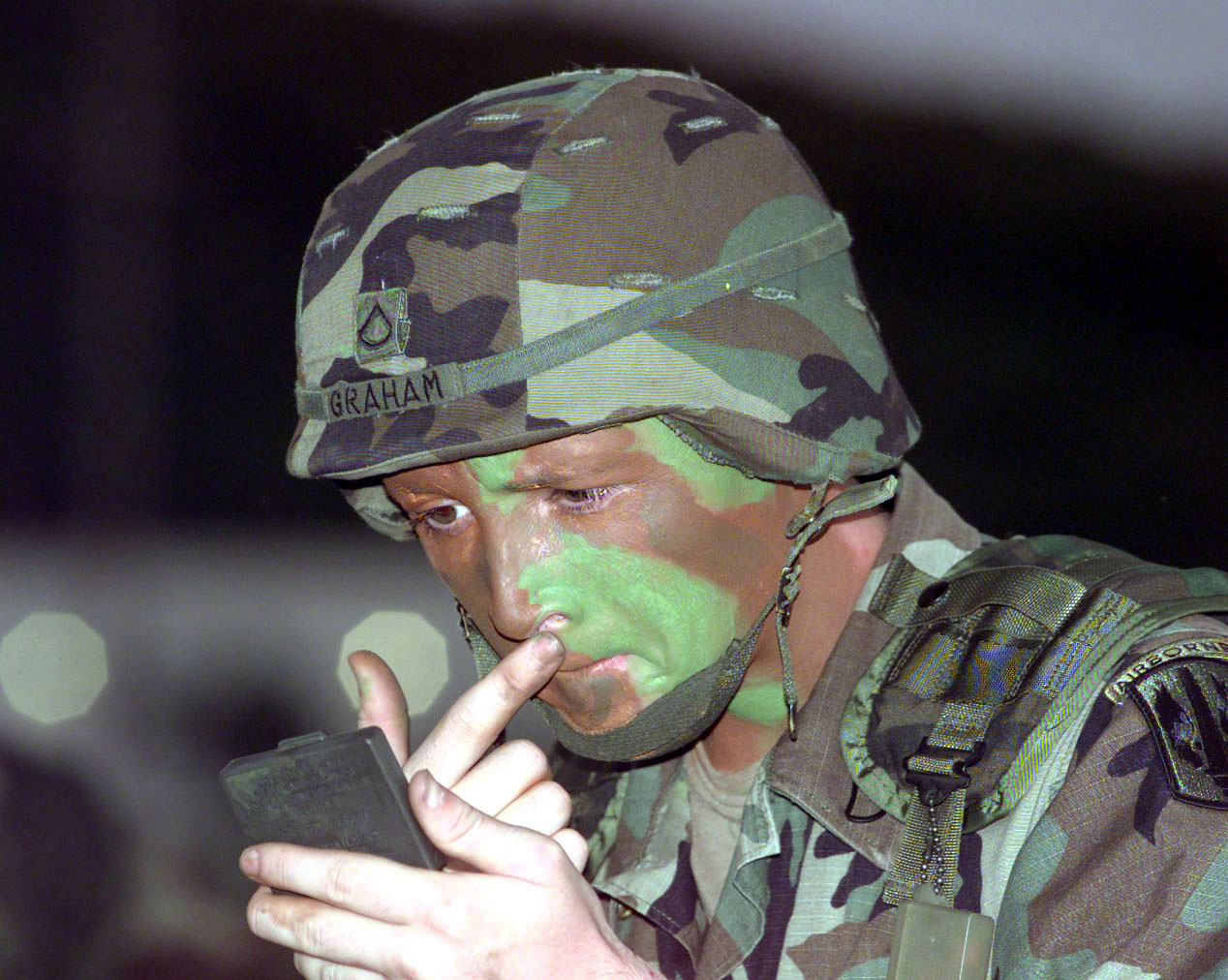
- Camouflage and utility: military and hunting applications use face and body paint to break silhouette and blend into environments (camouflage), and entertainers or protesters sometimes employ paint for visual impact.
- Ceremony and theatre: painted bodies and faces play roles in rituals, parades and traditional theatre forms that rely on visual symbolism (traditional theatre, ceremony).
- Sporting and civic displays: fans paint team colors, and public events use patriotic or promotional motifs to create spectacle (soldier camouflage is another operational example).

Safety, professional practice and distinctions
Body-painting differs from tattooing and permanent cosmetic procedures by its reversibility. Manufacturers and artists typically recommend products labeled for cosmetic or theatrical use and advise a patch test to detect allergic reactions. Professional painters follow hygiene protocols: clean tools, single-use applicators when needed, and careful removal instructions. Legal and social contexts vary; some public events may set standards for coverage, age, or decency.

Notable facts and contemporary scene
In recent decades body-painting has grown as a distinct creative field with festivals, competitions and commercial commissions. Photographers, advertising agencies and live entertainers commission full-body pieces to create striking imagery that emphasizes the human form. The medium’s ephemerality—its intentional impermanence—remains central to its appeal: paintings that last only hours can highlight process and performance as much as final appearance.

Related articles
Author
AlegsaOnline.com Body-painting: techniques, traditions, and contemporary uses Leandro Alegsa
URL: https://en.alegsaonline.com/art/12622