
Book frontispiece
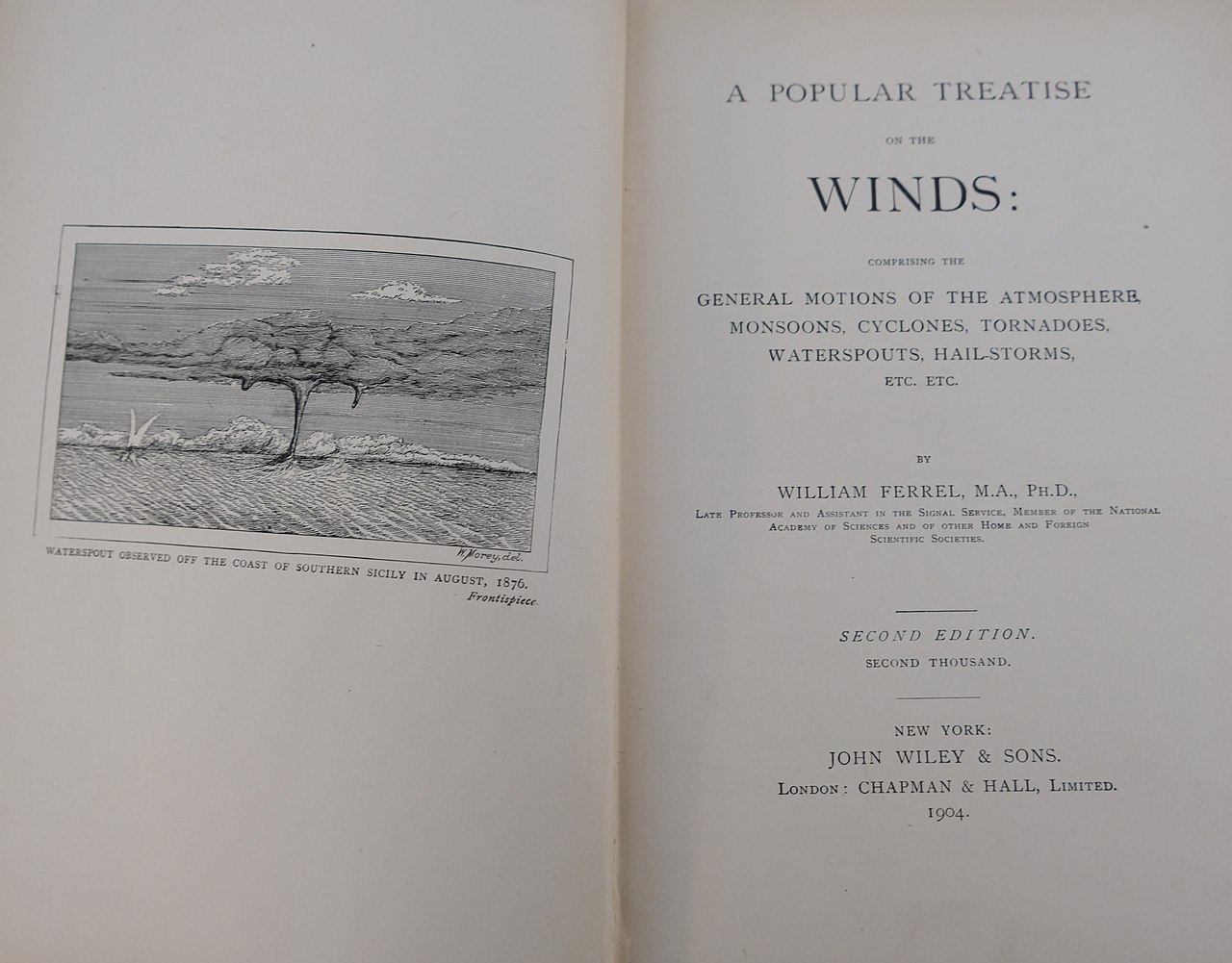
A frontispiece is an illustration placed to face a book's title page. Often a portrait or thematic scene, it has served artistic, informational, and commercial roles in printed books from early modern times to today.
Overview
A frontispiece is an illustration or plate positioned to face a book's title page. It usually appears on a separate leaf so that it can be printed on a different paper or at a different time from the text. In a typical reference, catalog or collector description the frontispiece is identified as a distinctive leaf that introduces the volume and sets a visual tone for the work, whether poetic, historical or religious. A frontispiece belongs to the physical structure of the book rather than to the internal pagination.
Image gallery
10 Images






Common forms and appearance
Frontispieces take two principal forms: a portrait of the author or patron, and an illustrative scene that represents the subject or a dramatic moment. A portrait was economical to reuse across editions and helped associate an author’s likeness with his or her works. Illustrated scenes are often allegorical, narrative, or emblematic compositions intended to summarize themes or attract a reader’s interest.
Materials and techniques
- Relief and block methods such as woodcut and wood engraving.
- Intaglio processes including copperplate and steel engraving, etching, and mezzotint for fine tonal work.
- Lithography and later photomechanical processes that allowed photographs and continuous tones.
- Modern books may use offset printing or digital images placed as a frontispiece.
History and context
The term originally relates to an architectural "front view" or facade and was applied to an ornamental page at the front of a volume. Frontispieces became particularly prominent from the early modern period into the 18th and 19th centuries, when illustrated editions of Bibles, scholarly treatises and collected works commonly included engraved plates. Many historic frontispieces are valued both as components of book history and as standalone works of graphic art; they appear frequently in studies of typographic and printmaking history and in collections of religious and scholarly publications, including notable editions of Bibles.
Functions and uses
- To identify and honor an author or patron, often by portrait.
- To summarize themes or present a scene that entices readers.
- As a marketing and prestige element signaling quality or importance.
- To carry dedications, inscriptions, or publisher imprints on a separate plate leaf.
Distinctions and notable facts
Frontispieces differ from title-page vignettes, endpapers and internal plates by their conventional placement facing the title leaf and by their role as an introductory image. They were sometimes reused across multiple titles to reduce costs, and notable artists occasionally signed or dated these plates. Collectors and bibliographers study frontispieces for clues to editions, print runs and provenance. Many frontispieces are appreciated today both for their craftsmanship and as historical documents that reflect the book trade and visual culture of their eras. See further discussion in illustrated book histories and museum catalogs for examples of celebrated frontispiece art (further reading).
Related articles
Author
AlegsaOnline.com Book frontispiece Leandro Alegsa
URL: https://en.alegsaonline.com/art/12955