
Bonsai — the Japanese art and practice of miniature trees
Bonsai is the Japanese practice of cultivating and shaping small trees in shallow containers. This article explains its aims, techniques, historical roots, common styles, care basics and distinctions from related arts.
Overview
Bonsai refers to the practice of growing and shaping living trees in shallow containers to evoke the appearance of mature, full-size trees in miniature. The word comes from Japanese words meaning "tray" and "planting" and describes both the plant and the horticultural/art practice around it. Bonsai emphasizes proportion, balance and a sense of age: a well-made bonsai suggests a natural, weathered tree rather than a simply reduced plant. The practice is often treated as a hybrid of horticulture, landscape composition and visual art, and is closely associated with Japanese aesthetics and display methods in both homes and formal exhibitions. See the broader context of the art at Japanese bonsai traditions.
Image gallery
10 Images


Characteristics and core techniques
Creating and maintaining a bonsai requires ongoing care to limit size and guide form. Important techniques include pruning of branches and foliage to shape the crown; root trimming to control growth and allow potting in a shallow container; wiring of branches to set angles and curves; and selective defoliation to improve ramification and proportion. Bonsai soil mixes are chosen for good drainage and aeration so roots remain healthy in confined volumes. Although bonsai trees are small, they are not genetically dwarfed—the small size results from cultural practices rather than plant breeding. Typical subjects are species with small or suitably textured leaves and bark, and many practitioners use both temperate and tropical species depending on climate and whether the tree will be kept outdoors or indoors. Learn about suitable plant choices and living material at small tree selection.
Common styles and visual language
Bonsai uses a set of stylistic categories to classify the intended form and spirit of a tree. Styles are shorthand for the trunk movement, branch placement and overall silhouette. Familiar styles include:
- Formal upright (chokkan) — straight trunk tapering toward the top.
- Informal upright (moyogi) — curved or flowing trunk lines.
- Slanting (shakan) — trunk leaning to one side.
- Cascade (kengai) and semi-cascade (han-kengai) — crown grows below the pot rim.
- Literati or bunjin — elegant, slender trunks with sparse branching for an artistic impression.
Shaping tools and methods include wiring, clip-and-grow, selective pruning and occasional use of deadwood techniques (such as jin and shari) to imply damage and age. The combination of form, trunk-to-pot relationship and negative space helps create the sense of an ancient tree reduced in scale. More on practical shaping choices is discussed under pruning and wiring techniques.
History and cultural origins
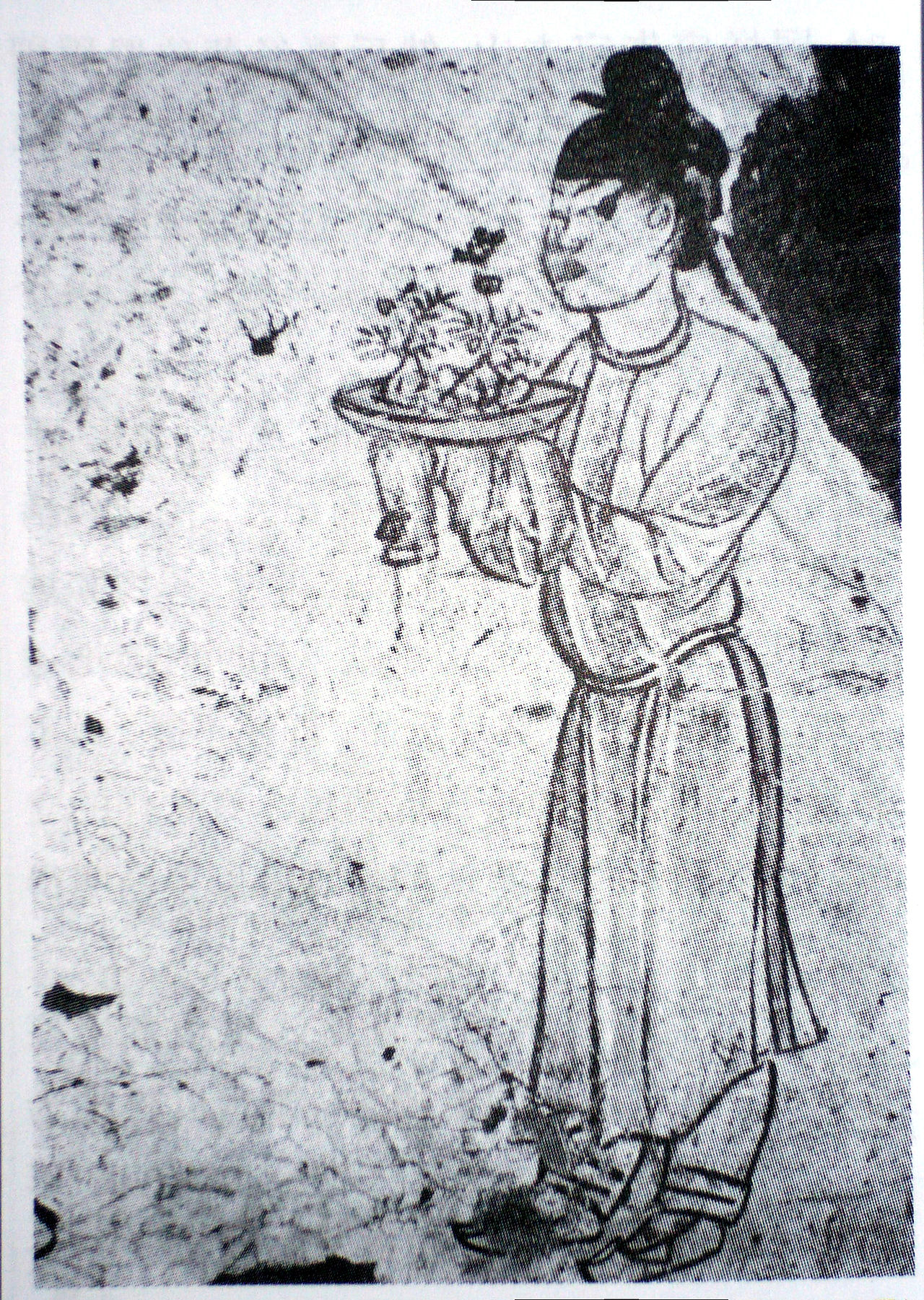
Bonsai developed out of an older East Asian tradition of miniature landscapes and container-grown trees. Early precedents appear in ancient Chinese practices of penjing, which present trees and landscapes in containers and often include figurative or narrative elements. Over many centuries the practice traveled, changed and was refined in Japan, where aesthetic priorities favored restraint, simplicity and an explicit dialogue with nature and seasons. Bonsai became associated with formal display, religious contexts and private collections; it also spread internationally in the modern era as enthusiasts adopted and adapted the techniques. For a comparative view, see the Chinese antecedent known as penjing.
Uses, importance and longevity
People cultivate bonsai for a variety of reasons: aesthetic enjoyment, contemplative practice, horticultural challenge and cultural tradition. A bonsai can become a family heirloom because trees can be maintained and passed down through many generations when properly cared for. Exhibitions, clubs and competitions provide venues for education and public appreciation. Practitioners also value seasonal change (blossom, autumn color, winter branch architecture) as part of a tree's expressive life. Resources on display, conservation and community engagement are often available through botanical organizations and local societies; see an overview at related arts and societies.
Practical steps and beginner guidance
Beginners are usually advised to: choose a species suited to their climate and light conditions; start with nursery stock or young material rather than wild-collected specimens (which may be protected or stressed); learn basic pruning and repotting schedules; and practice wiring on flexible branches. A short sequence for a basic transformation is: select a healthy specimen, imagine a front and overall style, prune to establish primary structure, repot into an appropriate shallow container with a free-draining mix, and carry out regular maintenance pruning. Common starter species include junipers, maples, pines, elms and ficus, depending on regional suitability and whether the tree will be kept indoors or outdoors.
Distinctions and notable considerations
Bonsai should be distinguished from related but different practices: Chinese penjing often emphasizes landscape scenes and dramatic storytelling; saikei creates miniature landscapes with multiple plants and soil forms; suiseki concerns the appreciation of naturally shaped stones. Ethical and legal aspects matter: collecting protected wild trees or damaging habitats is discouraged and in many places regulated. Ultimately, bonsai blends living plant care with artistic intent, rewarding patience, observation and a long-term relationship between grower and tree.
Questions and answers
Q: What is bonsai?
A: Bonsai is the Japanese art of growing small trees in pots. It involves pruning the branches and roots to keep the tree small over time, and training it to grow into a shape that is pleasing to look at. The word bonsai means "tree in tray" in the Japanese language.
Q: Where did bonsai originate from?
A: Bonsai is a very old art form in Japan, originating from an older Chinese art called penjing. Other nations also have arts like bonsai and penjing.
Q: Why do people like bonsai?
A: People like bonsai because it is nice to look at, and because it is fun to grow a bonsai tree. A bonsai tree can live for a very long time, longer than a person can live, so it can be passed down through generations of family members as well.
Q: How does one start making a bonsai?
A: To make a bonsai, you need to start with a small tree which can be grown from seed or found already growing in nature or bought from a plant store. Then its roots are carefully cleaned of dirt and trimmed if necessary before being put into a low-sided pot filled with fresh soil (dirt). After that, it needs to be watered and placed outdoors where it will live for many years.
Q: What kind of trees are good for making into Bonsais?
A: Trees with small leaves such as pine needles are best for making into Bonsais since larger leaves will not give off the appearance of being much smaller than normal trees when made into Bonsais. Additionally, good Bonsais should have old-looking bark and roots too which adds more realism when looking at them.
Q: Is there any other nation besides Japan that practices this type of art form?
A: Yes, other nations also practice similar arts such as penjing which originated in China but has been adapted by other countries around the world including Japan's version known as Bonsais.
Related articles
Author
AlegsaOnline.com Bonsai — the Japanese art and practice of miniature trees Leandro Alegsa
URL: https://en.alegsaonline.com/art/12934
Sources
- usna.usda.gov : "Timeless Trees" at US National Arboretum
- bonsaimalta.org : "Formal Upright Style Bonsai,"
- bonsaimalta.org : "Informal Upright Style Bonsai"
- bonsaimalta.org : "Stanting Style Bonsai"
- bonsaimalta.org : "Semi-Cascade Style Bonsai"
- bonsaimalta.org : "Cascade Style Bonsai"
- bonsaimalta.org : "Broom Style Bonsai"
- bonsaimalta.org : "Forest Style Bonsai"